


 Debate over H-1B visas shines spotlight on US tech worker shortages
  Extreme heat, flooding, wildfires – Colorado’s formerly incarcerated people on the hazards they faced behind bars
  GesiaPlatform Launches Carbon-Neutral Lifestyle App ‘Net Zero Heroes’
  AI is driving down the price of knowledge – universities have to rethink what they offer
  Ukraine minerals deal: the idea that natural resource extraction can build peace has been around for decades
  Office design isn’t keeping up with post-COVID work styles - here’s what workers really want
  The Beauty Beneath the Expressway: A Journey from Self to Service
  We combed through old botanical surveys to track how plants on Australia’s islands are changing
  Parasites are ecological dark matter – and they need protecting
  Disaster or digital spectacle? The dangers of using floods to create social media content
  Swimming in the sweet spot: how marine animals save energy on long journeys
  Locked up then locked out: how NZ’s bank rules make life for ex-prisoners even harder
  Why financial hardship is more likely if you’re disabled or sick
  The world’s biggest trees could hold the secret to coping with drought


 Add as a preferred source on Google
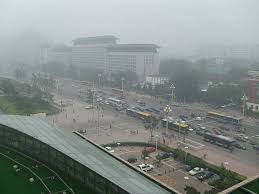
On Monday, Chinese netizens saw the streets of Beijing blanketed in the thickest, hazardous smoke the country has seen.
Reuters said Beijing maintained the second-highest "orange" level alert on Monday, forcing major roads, highways, construction to close and people indoors. China's Ministry of Environmental Protection said on Sunday that the worsening smog was caused by "unfavourable weather."
However, social media posts by a slew of journalists could cause an alarm to majority of Beijing's 22.5 million people who will see it online. Slate noted that a couple of these photos showed the city in near-dark, dusk-like state. Pedestrians in the photos were also shown navigating the streets of Beijing in masks to protect themselves from the smog.
Meanwhile, discussions between heads of state and big-named millionaires were conducted at the Paris climate summit since Monday. A major topic as noted by former head of the U.N. climate change secretariat Yvo de Boer was financing climate change policies.
Coordinator Jonathan Coony for the World Bank’s Climate Technology Program said the policies will be implemented as intended to be if the beneficiaries are also the less-developed countries.
“We need to ensure that competitiveness of even less developed countries is enhanced by these opportunities rather than being left behind,” he shared.







