


 Yandex Data Center Hit by Drone Strike as Russia-Ukraine Cyber Infrastructure Attacks Escalate
  Nvidia’s China AI Chip Market Share Falls to 34% as Huawei Gains Ground
  Moonshot AI Executives Seek Settlement Ahead of Hong Kong IPO
  Robinhood Chain Eyes Priority Gas Auctions for Faster Trades
  Jameson Lopp Downplays AI Threat to Bitcoin Cryptography
  Solidigm Taps Goldman, Morgan Stanley for $10 Billion US IPO
  Apple Supplier Luxshare Faces US Patent Probe, Sees Limited Impact
  OpenAI Annualized Revenue Hits $50 Billion, Below Earlier Estimates
  Airbus Tests Valkyrie Combat Drone in Europe for Eurofighter Integration
  Syndax Stock Drops 15% After Axatilimab Trial Failure
  US Suspends Microsoft, Adobe From Green Card Program
  TSMC Profit Set to Surge 65% as AI Chip Demand Drives Record Earnings
  Epic Games Delays Disney Shooter, Shifts to AI-First Development
  Meta Launches Muse Wonder AI Models, Shares Rise 3.7%
  Oracle Uses Trucked Natural Gas to Power AI Data Centers Amid Pipeline Delays


 Add as a preferred source on Google
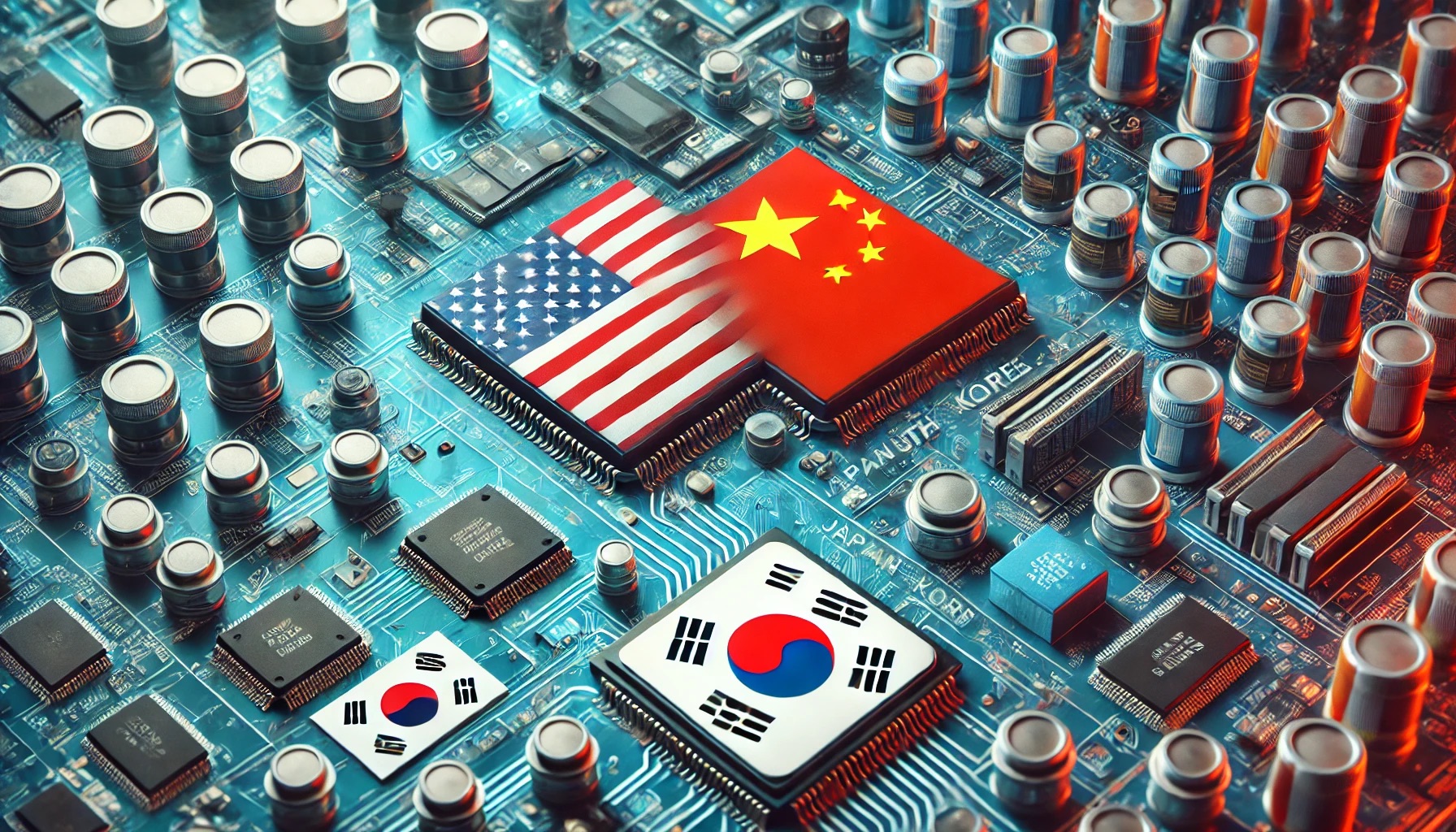
The Biden administration is set to unveil a new rule restricting semiconductor equipment exports to China while exempting crucial allies like Japan, the Netherlands, and South Korea.
Next month, the Biden administration intends to introduce a new rule that will enhance the United States' ability to prohibit the export of semiconductor manufacturing equipment from certain foreign countries to Chinese chipmakers. This information was confirmed by two sources who are familiar with the rule.
According to anonymous sources, the restriction will have a limited impact because it would not apply to shipments from countries that export critical chipmaking equipment, such as Japan, the Netherlands, and South Korea, Reuters reports.
Impact on Chinese Chipmaking Fabs
One of the insiders said that the rule, an enlargement of the Foreign Direct Product law, would prevent some six Chinese fabs—the nerve centers of China's advanced chipmaking—from receiving exports from a number of nations.
In 2022 and 2023, the United States imposed export restrictions on semiconductors and equipment used to make chips for China in an effort to halt advancements in artificial intelligence and supercomputing that could be advantageous to China's military.
Maintaining Pressure Without Alienating Allies
Keeping the pressure on China's growing semiconductor industry without alienating friends is Washington's goal with the new rule, which is still in draft form.
MSN shares that the use of American technology in any product gives the United States the authority to prohibit its sale, regardless of where it is manufactured, according to the Foreign Direct Product rule.
For a number of years, the law has been used to block chips manufactured overseas by Huawei, a Chinese tech behemoth that reinvented itself in response to U.S. restrictions and is now the epicenter of China's advanced chip manufacturing and research.
According to sources, in addition to closing a loophole in the Foreign Direct Product regulation, this most recent export control package will reduce the amount of U.S. content that determines when foreign items are subject to U.S. control.
As an example, they mentioned that equipment that incorporates U.S. technology chips could be labeled as subject to export controls.
New Rule to Add More Chinese Firms to Trade List
Along with a half-dozen chipmaking plants (also called fabs), toolmakers, suppliers of EDA (electronic design automation) software, and allied businesses, the United States intends to add approximately 120 Chinese enterprises to its restricted trade list.
The sources indicated that the intended new rule is still in draft form and subject to modification. However, they do aim to publish it in some form next month.







