


 Russia Approves Sberbank for Crypto Exchange Services
  South Korea Blocks 27 Crypto Exchange Websites in Regulatory Crackdown
  Coinbase CEO Backs SEC Accredited Investor Reform
  Nvidia’s China AI Chip Market Share Falls to 34% as Huawei Gains Ground
  Amazon Cuts More Jobs as AI Investment Expands
  Moonshot AI Executives Seek Settlement Ahead of Hong Kong IPO
  OpenAI Revenue Hits $50 Billion, Below Earlier $70 Billion Estimate
  Samsung, SK Hynix Shares Plunge as China Chip Competition Grows
  Canton Network Expands in South Korea With Major Partnerships
  Jameson Lopp Downplays AI Threat to Bitcoin Cryptography
  OpenAI Annualized Revenue Hits $50 Billion, Below Earlier Estimates
  TSMC Profit Set to Surge 65% as AI Chip Demand Drives Record Earnings
  Binance to Shut Down Crypto Mining Pool Services on November 10
  Apple Supplier Luxshare Faces US Patent Probe, Sees Limited Impact
  Epic Games Delays Disney Shooter, Shifts to AI-First Development
  Elon Musk Eyes Semiconductor Manufacturing Expansion With $15 Billion Terrafab Project


 Add as a preferred source on Google
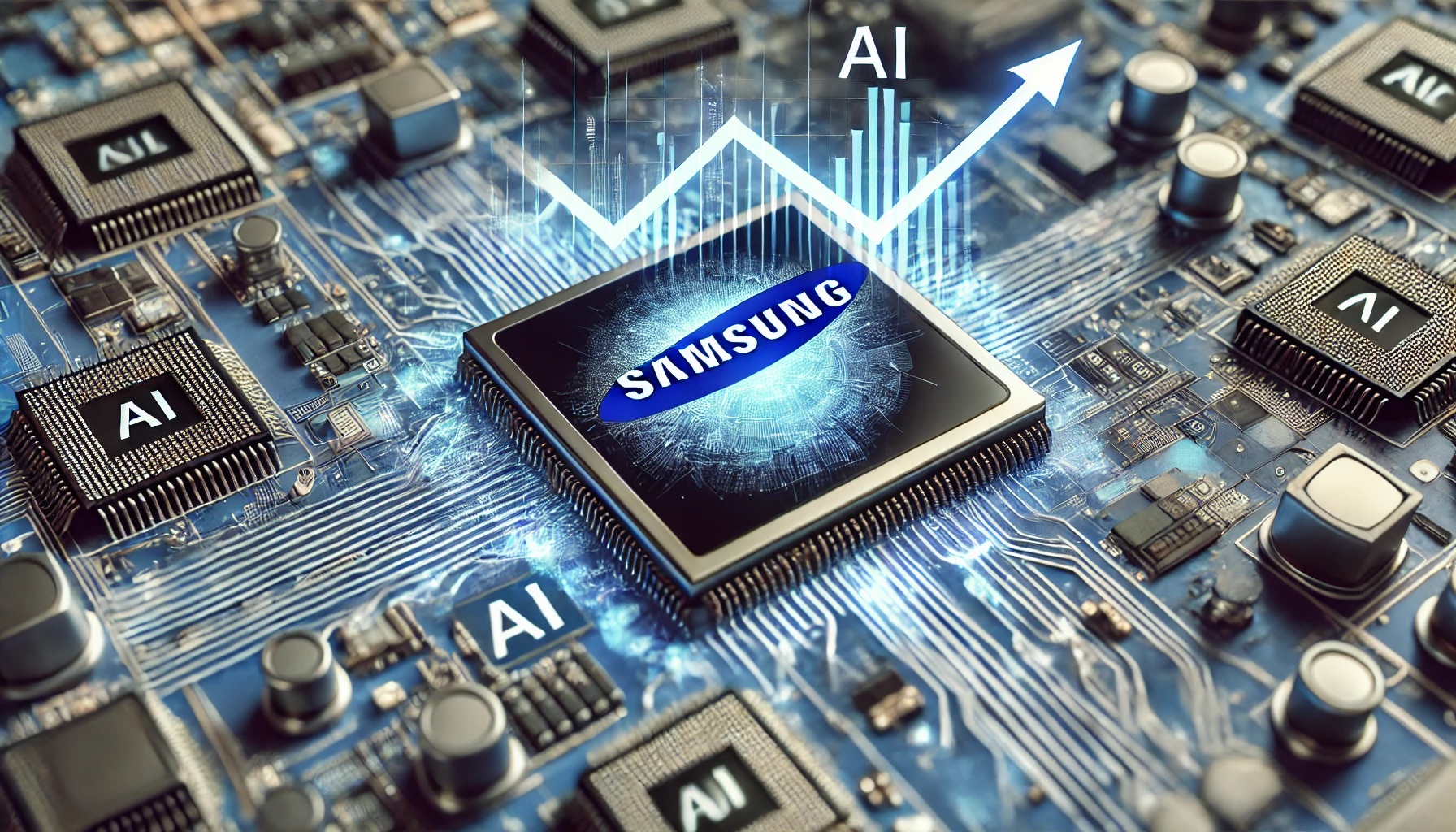
Samsung Electronics reported a more than fifteen-fold increase in second-quarter operating profit, citing strong AI demand and rising semiconductor prices as key drivers.
AI Demand to Drive Memory Market
In light of its more than fifteen-fold increase in operating profit for the second quarter, Samsung Electronics predicted strong demand for semiconductors driven by artificial intelligence in the second half of this year.
"In the second half of 2024, AI servers are expected to take up a larger portion of the (memory) market as major cloud service providers and enterprises expand their AI investments," according to a statement from Samsung.
According to Reuters, the world's largest manufacturer of memory chips, cellphones, and TVs saw its earnings rise from a low base a year ago, thanks to rebounding semiconductor prices fueled by the AI boom. The company reported these gains in the June quarter.
While the benchmark index increased by 0.3% in the morning session, Samsung's share price increased by 1.1%.
From April to June, Samsung reported an operating profit of 10.4 trillion won ($7.52 billion), up from 670 billion won in the same period last year, according to the company. The company's earlier-mentioned estimate of 10.4 trillion won was consistent with that.
Semiconductor Division's Comeback
The semiconductor division's comeback from a fall due to sluggish post-pandemic demand for devices that use the chips drove the tech giant's operating profit to its highest level since the third quarter of 2022.
Per Yahoo Finance, for the second quarter in a row, the chip division has posted a profit of 6.45 trillion won. This is the greatest quarterly profit since the second quarter of 2022.
Data center servers, AI service providers' hardware, and high bandwidth memory (HBM) chips used in AI chipsets are just a few examples of the high-end DRAM chips that have contributed to skyrocketing chip prices.
Shortage of PC and Mobile Chips
According to Samsung, there will be a shortage of traditional PC and mobile memory chips in the second half of the year due to production capacity being focused on HBM, server DRAMs, and server SSDs for AI applications.
For a total of 74 trillion won, revenue increased by 23%.







