


 Mastercard Partners with MoonPay to Unlock Web3 Capabilities in Experiential Marketing
  Mastercard Partners with Reserve Bank of Australia for Groundbreaking CBDC-NFT Trial
  Fed Minutes Signal Another Rate Hike by Year-End
  Coinbase Refines Subpoena for SEC Chair Gensler Amid Ongoing Legal Battle
  US Suspends Microsoft, Adobe From Green Card Program
  Visa Expands Digital Wallet Capabilities with Visa Commercial Pay
  Starbucks Explores Chipotle Acquisition as Shares Swing
  Anthropic Launches Claude Dashboards and Motion AI Tools
  Gold Prices Hit One-Week High as Oil Falls, Fed Rate Outlook Weighed
  US, EU Push for Action Against Asia’s Excess Factory Capacity
  OpenAI Annualized Revenue Hits $50 Billion, Below Earlier Estimates
  US Dollar Hits 18-Month High as Fed Signals More Rate Hikes
  OpenAI Revenue Hits $50 Billion, Below Earlier $70 Billion Estimate
  Wizards of the Coast Balances High-Level Play in Final 5th Edition Dungeons & Dragons Campaign
  Alchemy Pay Forms Strategic Partnership with Worldpay to Expand Cryptocurrency Payment Channels
  DWF Labs Sues BitGo for $114 Million Over Alleged Token Sales Breach
  European Stocks Fall as Oil Rises Ahead of Fed Minutes


 Add as a preferred source on Google
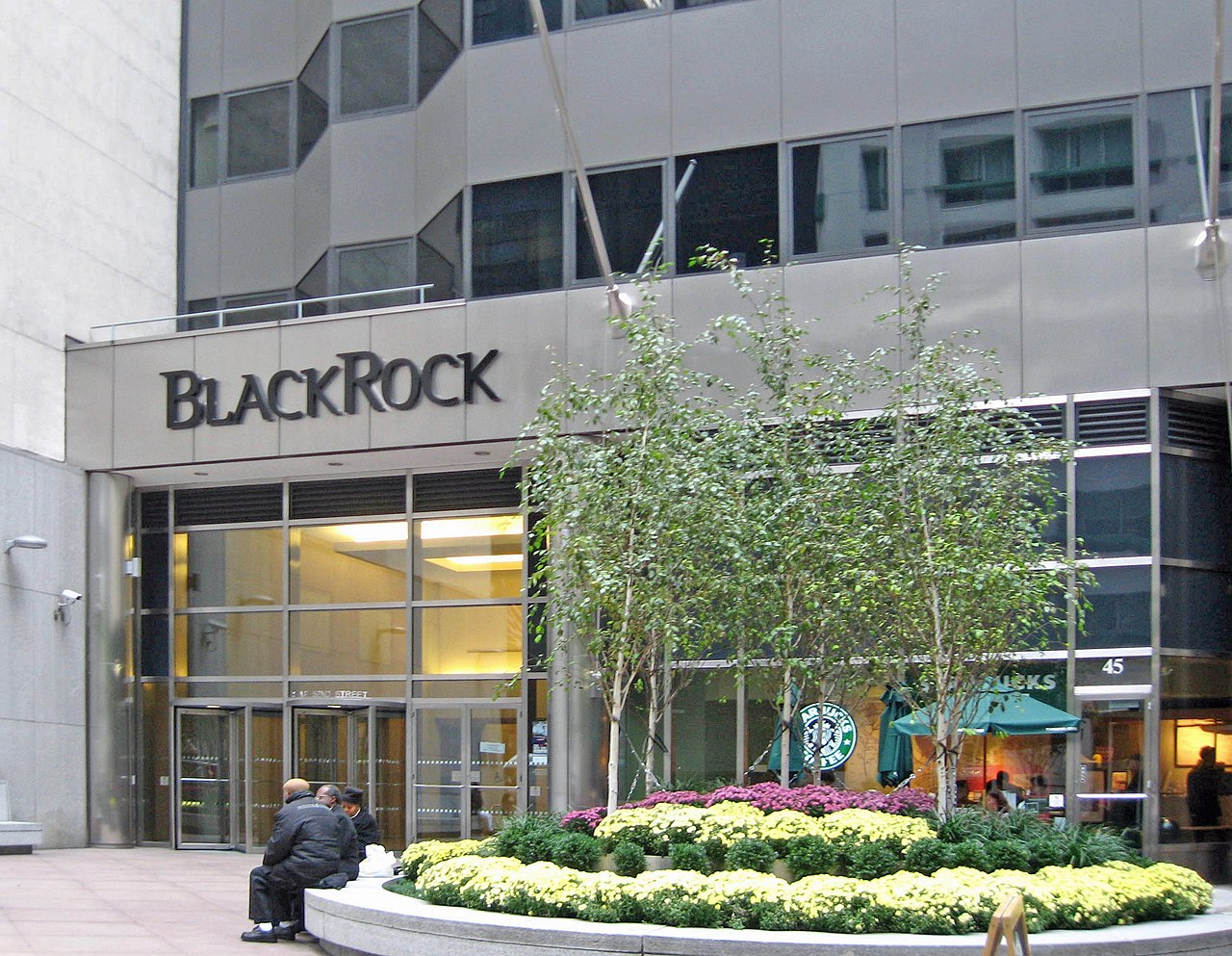
BlackRock, the world’s largest asset manager, is requesting an extension on the Federal Deposit Insurance Corporation (FDIC) oversight deadline to March. The move comes as the company navigates regulatory complexities tied to recent acquisitions. BlackRock's request aligns with its efforts to ensure full compliance with FDIC requirements for managing bank-related assets.
The original deadline, set for January, imposes strict requirements for financial institutions to bolster risk management and oversight practices. However, BlackRock is advocating for additional time to align its operations and finalize adjustments needed to meet regulatory expectations. The extension would also allow the company to address concerns about potential operational disruptions.
Industry experts note that BlackRock’s request reflects broader challenges faced by financial giants under increasing regulatory scrutiny. The FDIC has emphasized the importance of transparency and accountability, especially in managing assets tied to banking entities. BlackRock aims to reinforce its commitment to compliance while mitigating risks associated with the accelerated timeline.
The extension request comes amid heightened focus on regulatory reforms and risk management across the financial sector. As one of the most influential players in global finance, BlackRock's actions could set a precedent for other institutions seeking regulatory accommodations. Analysts suggest that if granted, the extension could allow BlackRock to maintain stability and avoid operational bottlenecks, benefiting both stakeholders and regulators.
By pursuing a measured approach to compliance, BlackRock underscores its dedication to maintaining high standards while navigating evolving regulatory landscapes. The FDIC has yet to respond to the extension request, but the outcome could have significant implications for the financial industry's regulatory framework.
This development is closely watched as it highlights the balancing act between stringent oversight and operational flexibility in global finance.







