


 US Grants Aurora Five-Year Exemption for Self-Driving Trucks
  Trump Sanctions International Criminal Court, Sparking EU Backlash
  RedotPay Completes Audits as Stablecoin Firm Advances U.S. IPO Plans
  Polkadot Launches dotUSD Stablecoin as DOT Price Falls
  San Francisco Halts New Data Center Construction With 45-Day Moratorium
  Amazon Cuts More Jobs as AI Investment Expands
  Chime Forecasts Strong 2026 Revenue Growth, Shares Jump on Profit Outlook
  Disney Expands Infinity Vision to Challenge Imax
  Fairshake Backs 32 Pro-Crypto House Candidates
  Standard Chartered’s Investment Arm, SBI Holdings to Set Up Digital Asset Joint Venture in the UAE
  UK Sanctions Crypto Exchanges Linked to Russia
  Trump Opens Tax-Exempt Dyed Diesel Access as Fuel Prices Surge
  DWF Labs Sues BitGo for $114 Million Over Alleged Token Sales Breach
  Mastercard Partners with Reserve Bank of Australia for Groundbreaking CBDC-NFT Trial
  Robinhood Chain Eyes Priority Gas Auctions for Faster Trades
  South Korea to End Short-Selling Ban as Financial Market Uncertainty Persists


 Add as a preferred source on Google
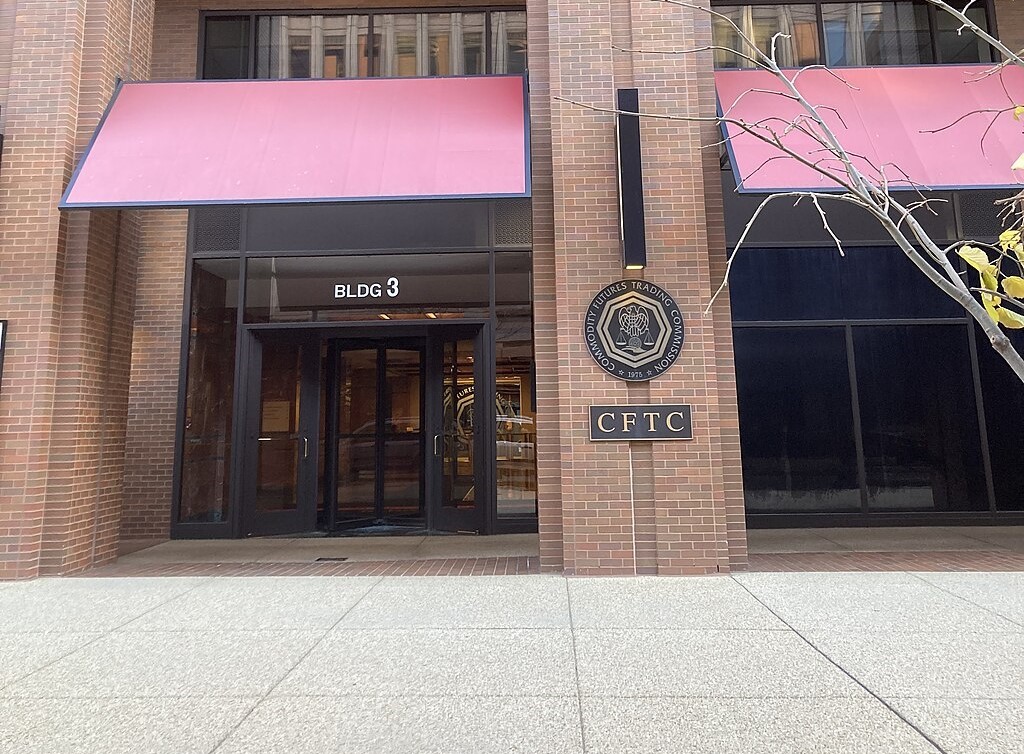
The U.S. Commodity Futures Trading Commission (CFTC) has reaffirmed its authority to regulate and police illegal trading practices in prediction markets, signaling increased oversight of the fast-growing sector. In a recent statement, the CFTC declared it holds “full authority” over event-based market contracts, particularly in cases involving insider trading and market misconduct.
The announcement follows disclosures from Kalshi, a CFTC-registered prediction market platform, which reported that it had identified and frozen accounts tied to two alleged insider trading incidents. Kalshi also said it proactively flagged the suspicious activity to the federal regulator. As a registered exchange, Kalshi is responsible for monitoring trading behavior on its platform and reporting potential violations to the CFTC.
Prediction markets, also known as event contracts markets, allow traders to speculate on the outcomes of real-world events, ranging from economic indicators to political developments. While these markets have experienced rapid growth, they have also drawn scrutiny from regulators concerned about insider trading, market manipulation, and consumer protection risks.
Regulatory pressure is mounting at both the federal and state levels. Earlier this month, a senior U.S. Department of Justice official identified prediction markets as a potential target for increased enforcement efforts. Meanwhile, several state gaming regulators have attempted to assert jurisdiction, arguing that event-based contracts resemble traditional sports betting or casino wagering.
However, the CFTC has pushed back strongly. In a recent court filing, the agency stated it has exclusive jurisdiction over event contracts and prediction markets, intensifying its legal battle with state authorities. This position underscores the federal regulator’s commitment to maintaining oversight of derivatives and event-based financial products.
Neither the CFTC nor Kalshi provided additional comments at the time of publication. As prediction markets continue to expand, regulatory clarity and enforcement around insider trading and market integrity are expected to remain central issues in the evolving landscape.







