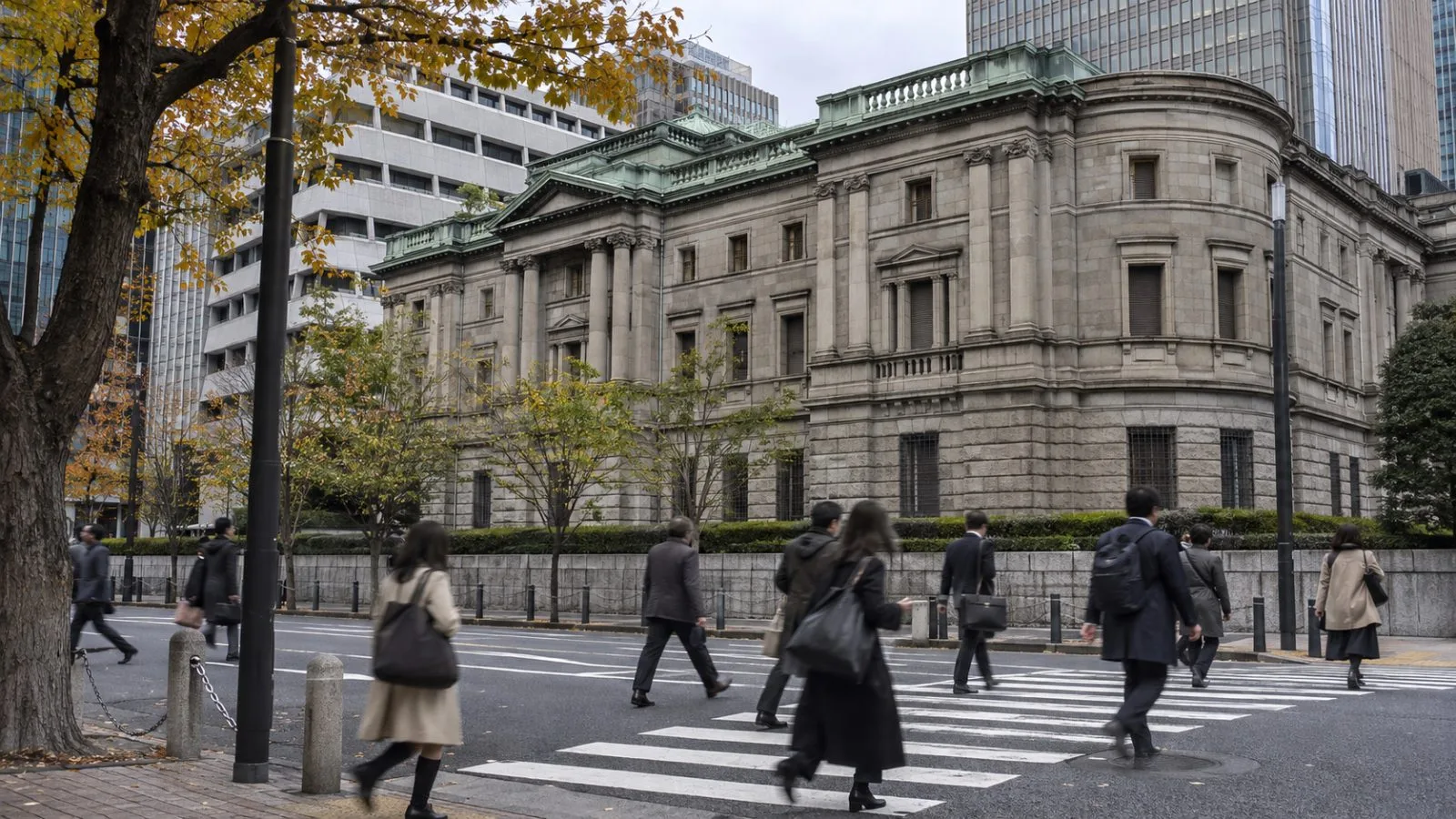
Bank of Canada is likely in a position to sit back over Christmas, and follow RBA Steven's "chill out" notion. As it mentioned in its rate meeting, interest rate front doesn't need action, exports to US are better, there is no course of concern from inflation as well.
The investment in the commodity sector is of-course in risk, but other sectors of economy are improving. The next rate meeting wont take place till January 20th 2016, while Monetary Policy Report and new projections would be published.
If USD appreciates against CAD due to Fed lift off, this will further help the Canadian economy. But even if the market has fully expected the rate hike, and USD/CAD hovers around 1.34-1.50, the central bank does not need to be concerned, due to weak CAD exports, which would continue to flow into US and inflation rate will remain at lower end of the target, without threats to inflation.
"Tomorrow the two labour market reports - the one from Canada and the US one - might provide further momentum for USD-CAD but the area of 1.3420-50 is likely to provide good resistance", says Commerzbank in a research note.