


 RBA Hikes Interest Rate to 4.60% as Inflation Risks Rise
  BlackRock’s Rick Rieder Favors Bonds Over Stocks as Treasury Yields Surge
  U.S. Stock Futures Fall as Iran, Oil and AI Risks Rattle Markets
  Asian Currencies Weaken as Dollar, Oil Prices Rise
  Trump Eyes $54 Billion South Korean Investment in Alaska LNG
  Gold Holds Near Seven-Week Low as Fed Rate Hike Bets Rise
  Asian Stocks Fall as Oil Surge, Bond Yields and AI Concerns Hit Markets
  U.S. Stock Futures Steady as AI, Rate Concerns Weigh
  Nvidia China Chip Sales Report Sends Chinese Semiconductor Stocks Lower
  US Dollar Hits Two-Month High as Aussie, Pound Slide
  RBA Set for September Rate Hike as Inflation Stays High
  Australia Budget Deficit Narrows to A$22.3 Billion on Stronger Tax Revenue
  Fed Unveils Stablecoin Rules Under GENIUS Act
  RBI Uses $10 Billion Currency Swaps to Drain Excess Rupee Liquidity


 Add as a preferred source on Google
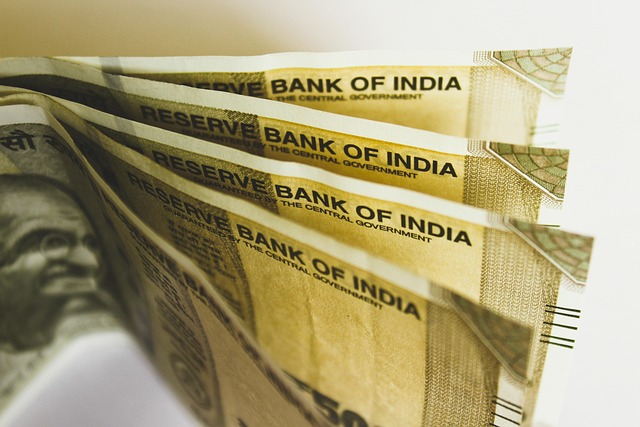
The Reserve Bank of India (RBI) on Friday kept its key repo rate unchanged at 5.25%, a widely expected decision that reflects confidence in India’s strong economic growth and easing external pressures following a major trade deal with the United States. The RBI’s six-member Monetary Policy Committee voted unanimously to maintain the rate, aligning with market expectations from a recent Reuters poll, while also retaining its “neutral” policy stance, signaling that interest rates are likely to remain accommodative in the near term.
The policy decision comes days after a breakthrough India-U.S. trade agreement, under which Washington agreed to reduce tariffs on Indian imports from nearly 50% to about 18%. This move significantly eases tariff-related pressures on India’s economy and financial markets, improving export competitiveness and investor sentiment. In exchange, India agreed to halt Russian oil purchases and lower certain trade barriers, reducing friction between the two countries.
RBI Governor Sanjay Malhotra said that while external headwinds have intensified globally, the successful completion of the trade deal augurs well for India’s economic prospects. He also noted that inflation remains benign, providing room for the central bank to support growth without immediate tightening.
Since February 2025, the RBI has cut interest rates by a cumulative 125 basis points, marking its most aggressive easing cycle since 2019. The most recent cut of 25 basis points came at the December policy meeting, underscoring the central bank’s focus on sustaining growth momentum.
India continues to rank among the world’s fastest-growing major economies, supported by strong domestic demand, robust public infrastructure spending, and a resilient services sector. The economy is projected to grow 7.4% in the current financial year, while the government’s chief economic adviser expects growth to moderate slightly to between 6.8% and 7.2% next year.
Inflation has remained comfortably below the RBI’s 4% target, averaging close to 2% this financial year. Retail inflation stood at 1.33% in December, the highest in three months but still historically low, reinforcing the RBI’s decision to keep rates steady.







