U.S. core inflation likely rose to 3.3% in October, strengthening the case for waiting before changing interest rates again, Federal Reserve policymaker Bowman said in remarks published on Nov. 10.
Inflation had persisted longer than expected and showed signs of spreading, while employment had improved, Bowman said. The Federal Reserve Board published the speech as “Bowman, The U.S. Economy and Considerations for Monetary Policy.”
Bowman supported the central bank's October decision to keep its benchmark interest-rate range at 3.75% to 4%. Further changes should wait for a better understanding of economic conditions and the effects of a recent rate increase, Bowman said.
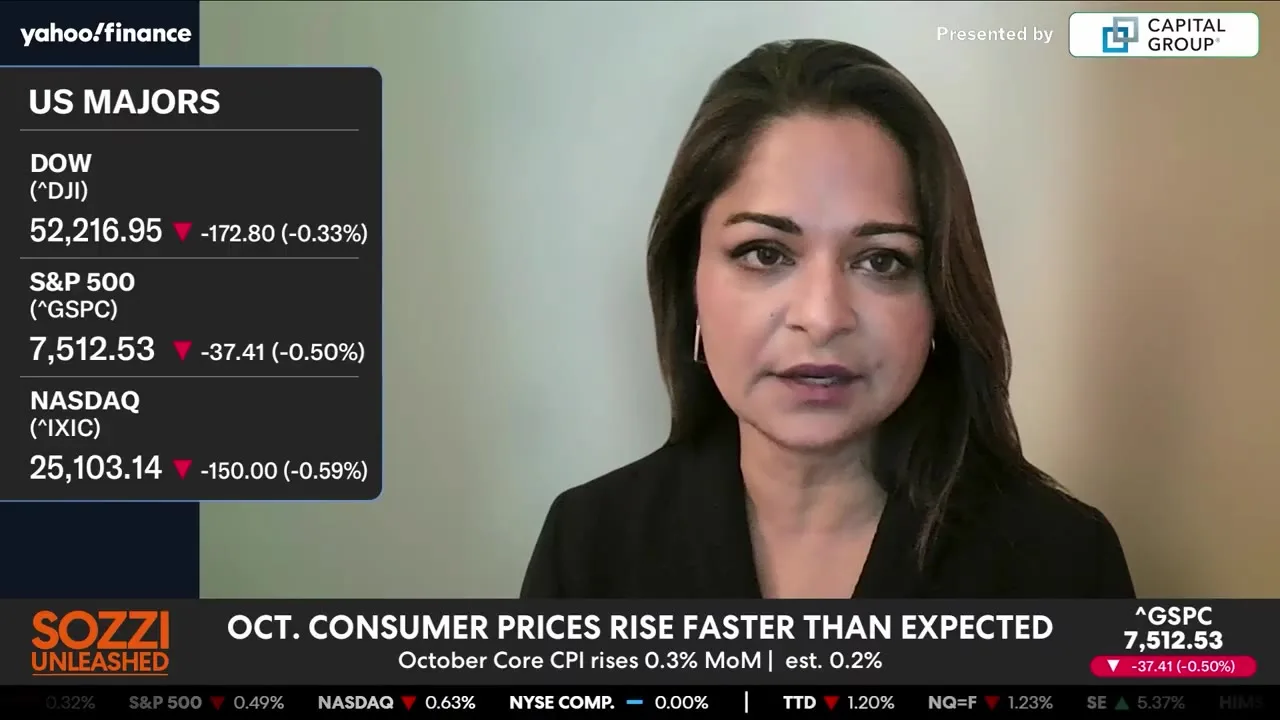
Bowman's October inflation estimate used that day's consumer price index figures to anticipate the core personal consumption expenditures measure, which excludes food and energy. The estimate put its annual increase further above the central bank's 2% target, following roughly two years of stalled progress.
In Bowman's assessment, tariffs, energy costs and demand linked to artificial intelligence each explained about a quarter of core inflation above target over the year through September. Lingering effects of earlier price shocks likely explained the rest. Those forces largely came from outside the labor market, Bowman said.
Bowman expected core inflation to move closer to 2% next year as those effects faded. Tariff effects should diminish, while energy costs should ease when the Middle East conflict ends, Bowman said. Price increases linked to building artificial intelligence infrastructure had persisted despite early signs of slowing.
Bowman estimated that economic output, adjusted for inflation, probably grew more than 3% in the third quarter, after rising 2.4% in the first half. Investment tied to artificial intelligence and consumer spending supported growth, while higher mortgage rates appeared to be pulling homebuilding and sales down further.
Bowman's assessment put October unemployment at 4.1%, with job gains averaging about 80,000 a month through October and spreading beyond health care and social assistance. Hiring remained weak, but fewer layoffs helped keep employment stable. Workers faced both a lower chance of finding another job and a lower chance of losing one, Bowman said.
Bowman put annual wage growth at 3.1% in both September's employment cost index wage component and October's average hourly earnings. With strong productivity gains, that pace was consistent with inflation at or below 2%, in Bowman's assessment.
Bowman identified financial markets as another source of risk to growth. A steep fall in share prices could weaken consumer spending if artificial intelligence investment disappointed, while higher longer-term borrowing costs could further strain housing and small businesses. Persistent supply constraints and energy costs could also keep inflation elevated, Bowman said.