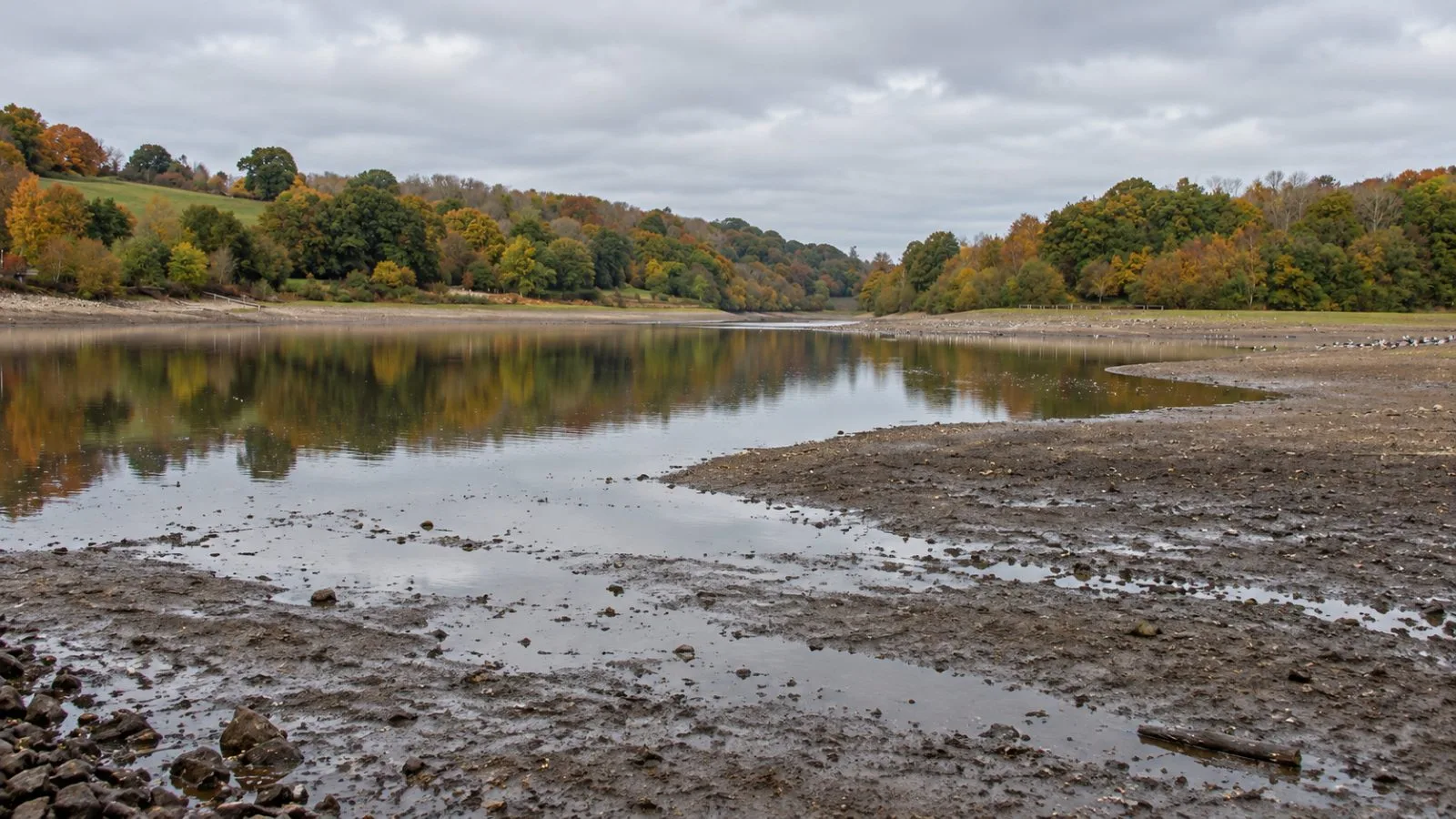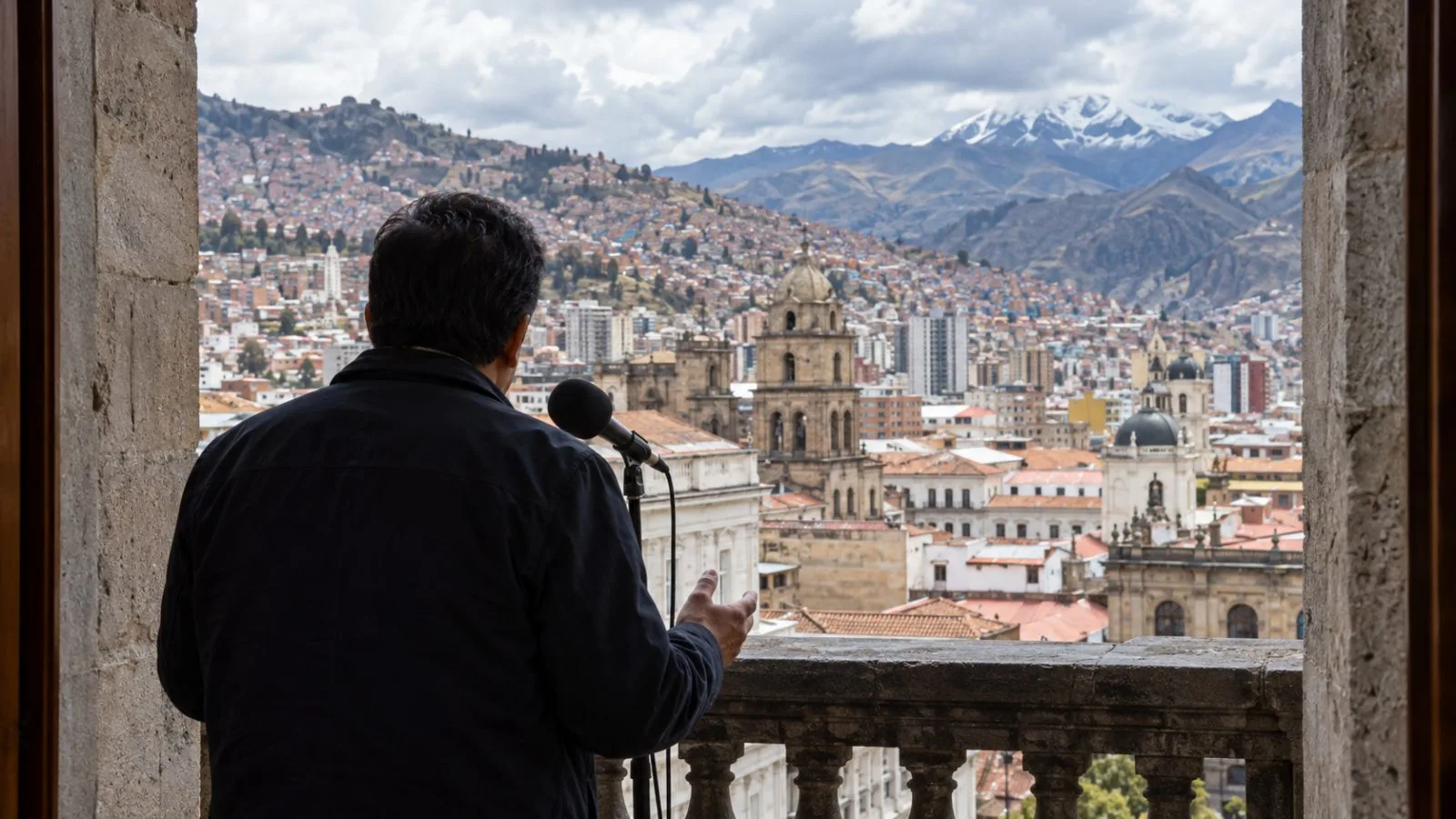
Bolivia declared a national emergency after government figures counted 114,048 families in two drought impact categories through Oct. 29, as officials prepared for possible El Niño-related hazards in 2026-27.
The tally covers June 1 through Oct. 29, 2026, in 63 municipalities. It lists 78,217 families as affected and 35,831 as having suffered direct losses. The same figures report 167,511 hectares affected, 60,106 hectares lost and 75,013 head of livestock lost. The government said the drought is affecting agricultural production and livelihoods.
President Rodrigo Paz signed Supreme Decree 5759 on Oct. 31, a day after the National Council for Risk Reduction and Disaster and/or Emergency Response (CONARADE) recommended an emergency. The decree addresses drought in the Altiplano, valleys and Chaco, and outlines possible hazards linked to El Niño, including frost, hail, forest fires, floods and river overflows.
The government said those hazards are scenarios to prepare for, not predictions that every event will occur. Officials said initial work would include identifying communities needing the most attention, revising contingency plans and arranging response capacity. The decree also provides for contingent financing mechanisms but gives no amount.