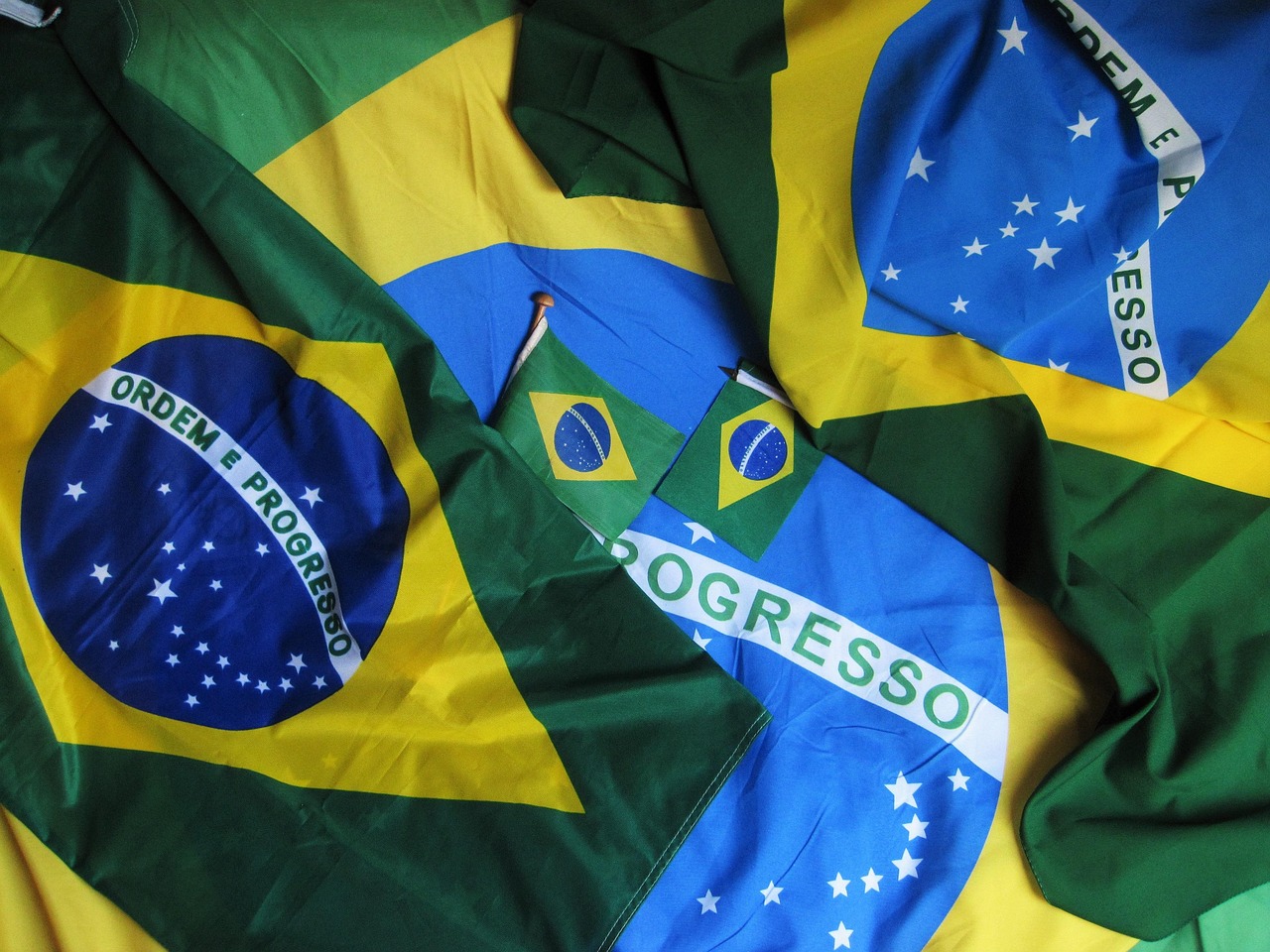
Brazil has officially agreed to take over Mexico’s diplomatic interests in Peru, a move confirmed by the Brazilian Foreign Ministry on Sunday amid ongoing diplomatic tensions between Lima and Mexico. The decision comes roughly two months after Peru severed diplomatic relations with Mexico following a controversial asylum case involving a former Peruvian prime minister.
The diplomatic rift began in early November when the Peruvian government cut ties with Mexico after Betssy Chavez, Peru’s former prime minister, was granted political asylum inside the Mexican embassy in Lima. Chavez served as the final prime minister under former President Pedro Castillo, who was removed from office and later jailed after attempting to dissolve Congress in 2022. Chavez is currently facing conspiracy charges linked to Castillo’s failed effort, although she has consistently denied any wrongdoing.
According to an official statement from Brazil’s Ministry of Foreign Affairs, Brazil accepted the role of representing Mexico’s diplomatic interests at the request of the Mexican government and with formal approval from Peruvian authorities. This arrangement allows Brazil to act as an intermediary while maintaining essential diplomatic functions between Mexico and Peru despite the suspension of direct relations.
Brazil’s responsibilities under this diplomatic mandate include the protection and maintenance of the Mexican embassy’s premises in Peru. This encompasses the safeguarding of the embassy building itself, the official residence of the head of mission, as well as all related assets, documents, and diplomatic archives. Such arrangements are common in international diplomacy when countries break off formal relations but still need to ensure the security of diplomatic property and records.
The development highlights Brazil’s growing role as a regional diplomatic facilitator in Latin America and underscores ongoing political tensions surrounding Peru’s internal crisis following the ouster of President Castillo. While Peru and Mexico remain at odds over the asylum decision, Brazil’s involvement provides a temporary solution to manage diplomatic affairs and prevent further escalation.
As the situation evolves, regional observers will be watching closely to see whether this diplomatic standoff eases or continues to shape political relations across Latin America.