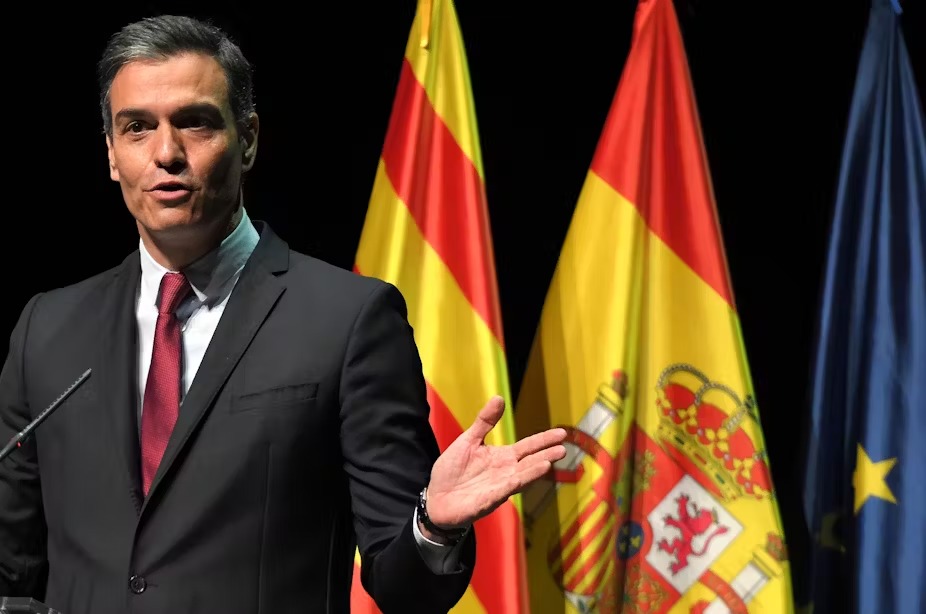
During a high-profile international summit held in Barcelona, the leaders of Brazil, Spain, and Mexico came together to announce a strengthened commitment to providing coordinated humanitarian aid to Cuba. The meeting, hosted by Spanish Prime Minister Pedro Sanchez, brought together Brazilian President Luiz Inacio Lula da Silva and Mexican President Claudia Scheinbaum to address what the three nations collectively described as a deepening humanitarian crisis on the Caribbean island, largely attributed to the longstanding U.S. blockade.
In a strongly worded joint statement, the three governments emphasized their shared concern for the Cuban people and pledged to intensify cooperative relief efforts. The declaration called for genuine, constructive dialogue grounded in the principles of the United Nations Charter, underscoring the fundamental right of the Cuban population to freely shape their own political and social future without external interference.
The Barcelona summit was originally organized as a platform for progressive world leaders to mobilize against the global rise of far-right political movements. However, the Cuba discussion emerged as one of its most significant diplomatic outcomes, drawing international attention to the ongoing impact of U.S. sanctions and trade restrictions that have long affected everyday life on the island.
The trilateral agreement reflects a broader shift in Latin American and European foreign policy, with several left-leaning governments increasingly vocal about what they view as unjust economic pressure on Cuba. By aligning their positions, Brazil, Spain, and Mexico are signaling a united front in advocating for humanitarian relief and diplomatic engagement over isolationist policies.
As global conversations around sovereignty, sanctions, and human rights continue to evolve, this joint commitment marks a notable step toward multilateral support for Cuba, reinforcing calls for dialogue, cooperation, and respect for international law in addressing the island nation's ongoing challenges.