


 BlackRock’s Rick Rieder Favors Bonds Over Stocks as Treasury Yields Surge
  Central Banks Could Buy 20,000 Tonnes of Gold: BofA
  Trump, Tech Leaders Sign ‘Morally Binding’ AI Safety Accord
  RBA Set for September Rate Hike as Inflation Stays High
  Fed’s Hammack Says Bond Yield Surge Is Not Driven by Inflation Fears
  Judge Blocks Trump Election Conditions on Counterterrorism Grants
  Senate Democrats Say Tether USDT Helps Iran Evade Sanctions
  RBA Hikes Interest Rate to 4.60% as Inflation Risks Rise
  US Plans Iran Sanctions Waiver for Pilgrim Flights to Iraq
  UK Housebuilder Stocks Surge on New First-Time Buyer Loan Scheme
  White House Blames Democrats as CLARITY Act Stalls
  Australia Budget Deficit Narrows to A$22.3 Billion on Stronger Tax Revenue
  South Korea Demands Ukraine Apology Over North Korean POW Disclosure


 Add as a preferred source on Google
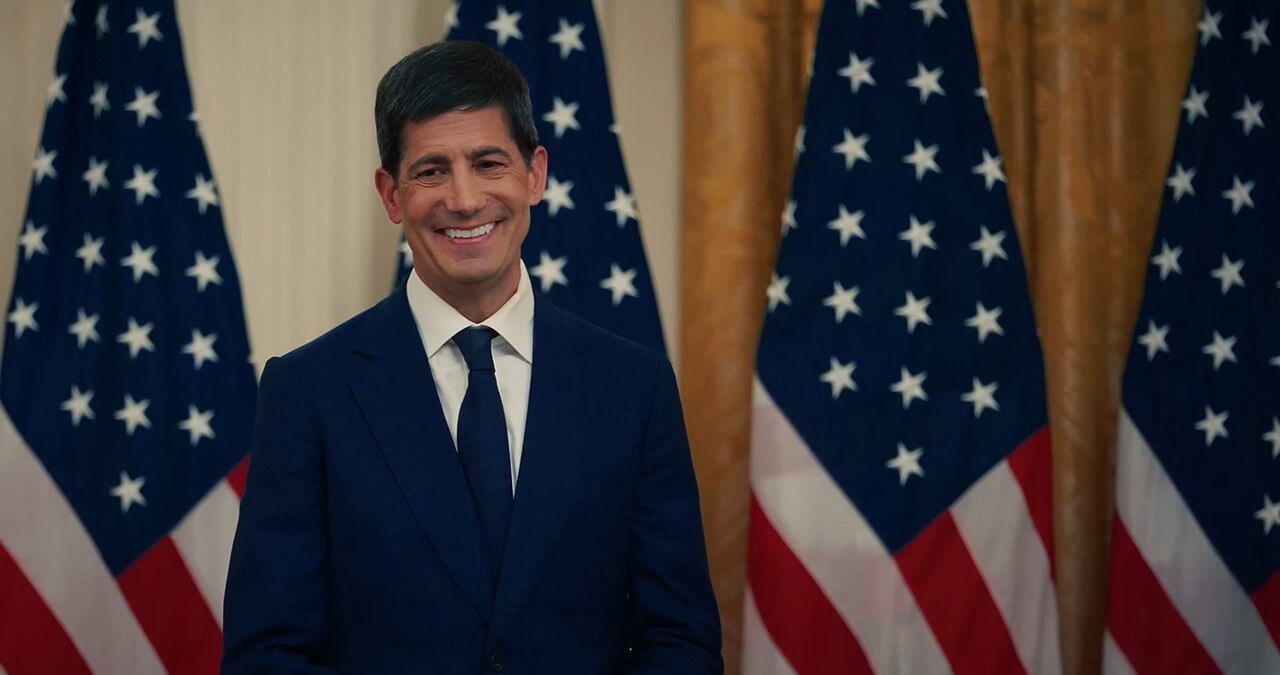
President Donald Trump can no longer blame former Federal Reserve Chair Jerome Powell for the state of the U.S. economy after appointing Kevin Warsh as the new head of the Federal Reserve. With Warsh now leading the central bank, Trump is directly tied to future economic performance, including inflation, mortgage rates, and overall consumer confidence.
Warsh officially took office during a White House ceremony attended by senior officials, Supreme Court justices, and cabinet members. Trump praised the new Fed chair and emphasized the need for stronger economic growth. However, the timing of the appointment comes as Americans continue to struggle with rising living costs and economic uncertainty.
Recent data shows consumer confidence has weakened significantly, especially among independent voters and Republicans ahead of the upcoming midterm elections. Mortgage rates have climbed above 6.5%, reaching their highest level in nine months, while inflation has accelerated from 2.3% to 3.5% since March 2025. Gas prices have also surged following geopolitical tensions linked to U.S. actions involving Iran.
Economic analysts say the Federal Reserve faces difficult choices. Raising interest rates could help slow inflation, but higher borrowing costs may further hurt consumers and weaken public support for Trump’s economic agenda. Unlike Powell, who often served as a political target for criticism, Warsh’s decisions will likely reflect directly on Trump’s leadership.
Warsh, a former Fed governor and experienced financier, is expected to bring a different style to the Federal Reserve. He has openly supported more aggressive policy debates and less predictable communication with financial markets. His approach could create volatility as investors closely watch whether interest rates rise further in response to persistent inflation concerns.
With the economy becoming a central issue ahead of the elections, both Trump and Warsh face growing pressure to deliver results while maintaining market stability and public confidence.







