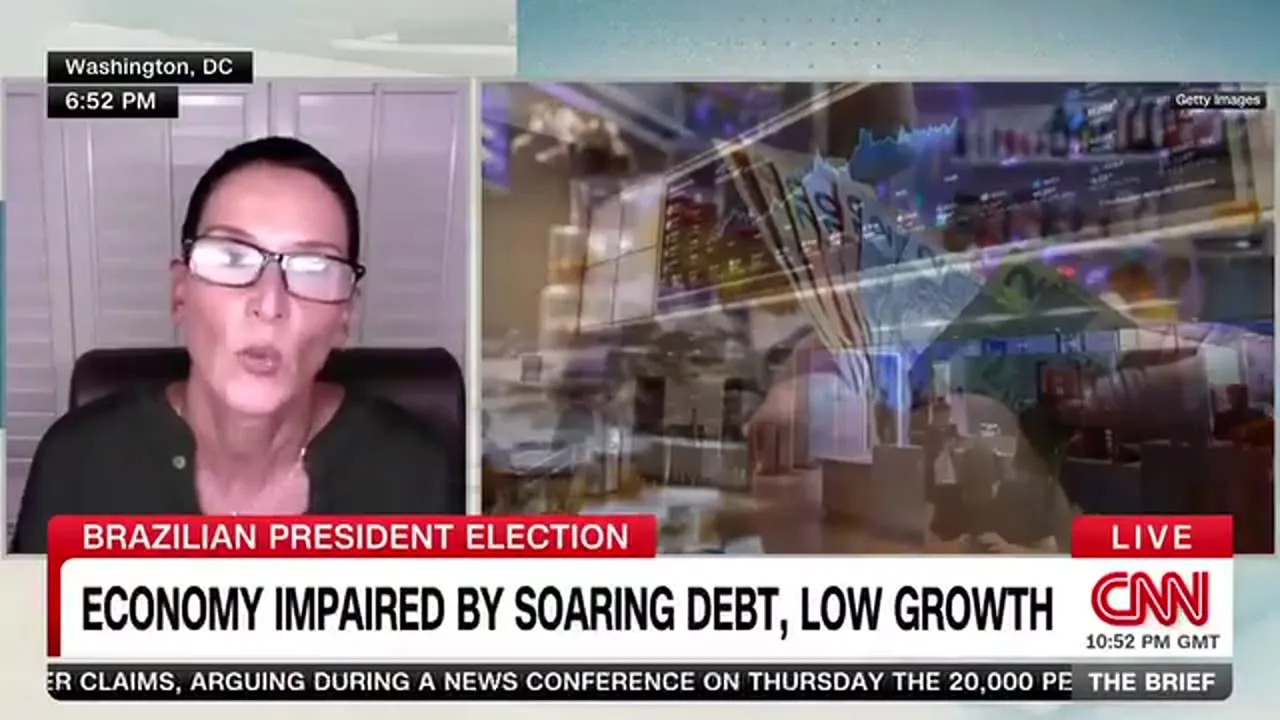
Brazil’s presidential candidates offer policies that would worsen its economic problems, Monica de Bolle, a senior fellow at the Peterson Institute for International Economics, said ahead of the runoff.
Neither Lula nor Flavio Bolsonaro offers the reforms the country needs, leaving the next government facing difficult budget choices regardless of who wins. High government and household debt compound those challenges.
In the interview, “Monica de Bolle on Brazil’s economy ahead of the presidential runoff election,” published Oct. 23, she rejected the suggestion that a right-wing victory was assured.
De Bolle cited a newly released poll showing each candidate with 50% support, although she did not identify the polling institution. She described the tie as a turnaround from the first round.
“At this point, anything can happen,” she said. She described Brazilian voters as tactical and said the narrowing race should perhaps not have surprised her.
Turning to the economy, she described government finances as severely strained and households as burdened by high debt. Those conditions would leave either candidate with extensive problems on taking office.
She characterised Lula’s approach as “controlled populism” and described Bolsonaro as less familiar, while saying his proposals were also populist. Her criticism covered both candidates’ economic programmes, without endorsing either contender.
“Neither of them are actually offering solutions,” she said. “What they’re offering is only going to make the problems worse.”
Asked whether the winner would eventually have to respond to investors’ demands, she said some adjustment to government finances would become unavoidable. She distinguished that prospect from an immediate crisis.
Brazil was not facing an imminent crisis, in her assessment, but could face one further ahead. She gave no date for that possibility or timetable for measures to address it.
The budget leaves little room to change spending, and efforts to repair public finances would probably involve cuts to social programmes. She did not identify particular programmes or specify savings.
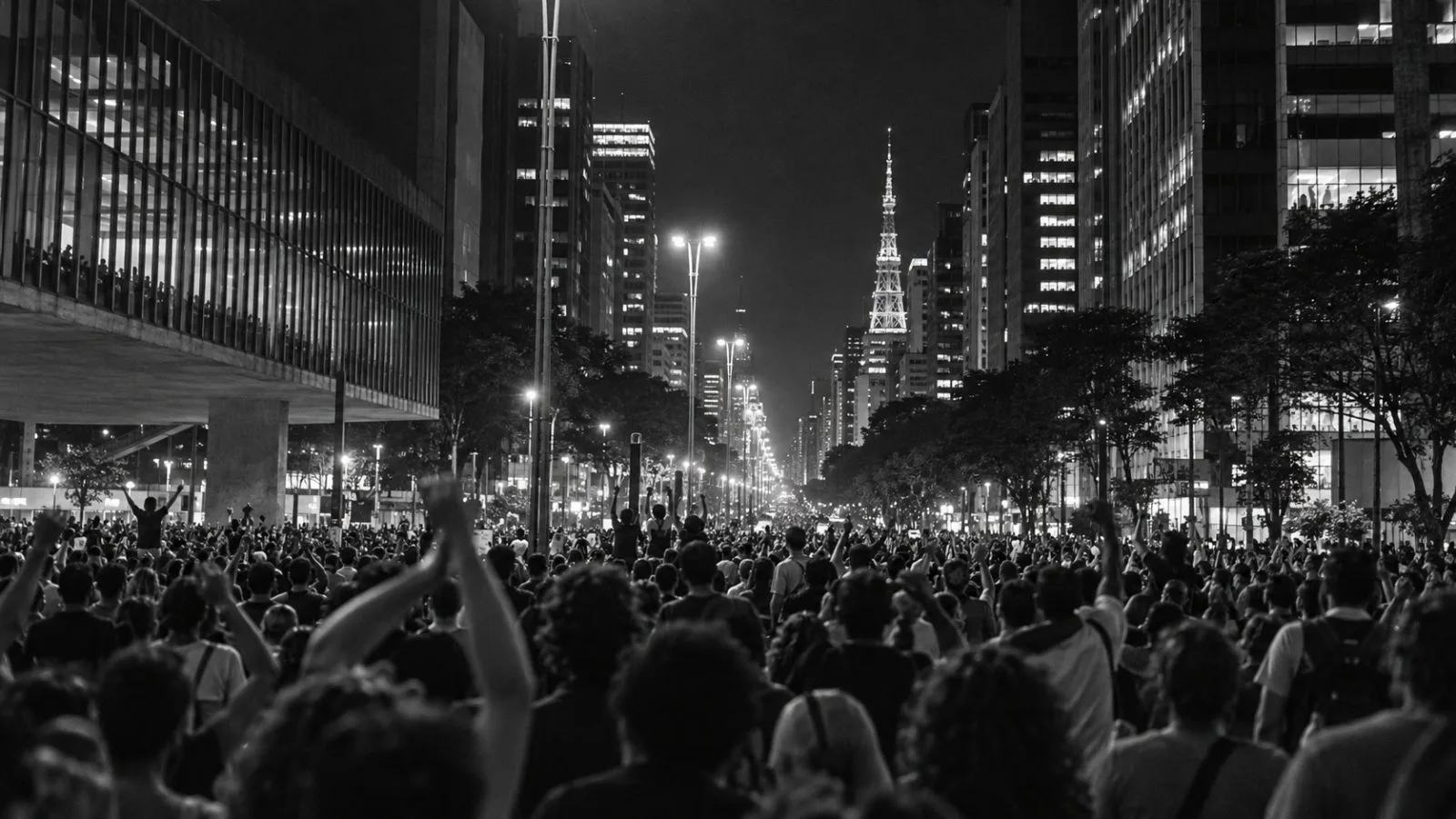
Such cuts could keep people protesting in an already divided country, prolonging political instability. Demonstrations were already taking place, adding to the difficulty of carrying out changes to the budget.
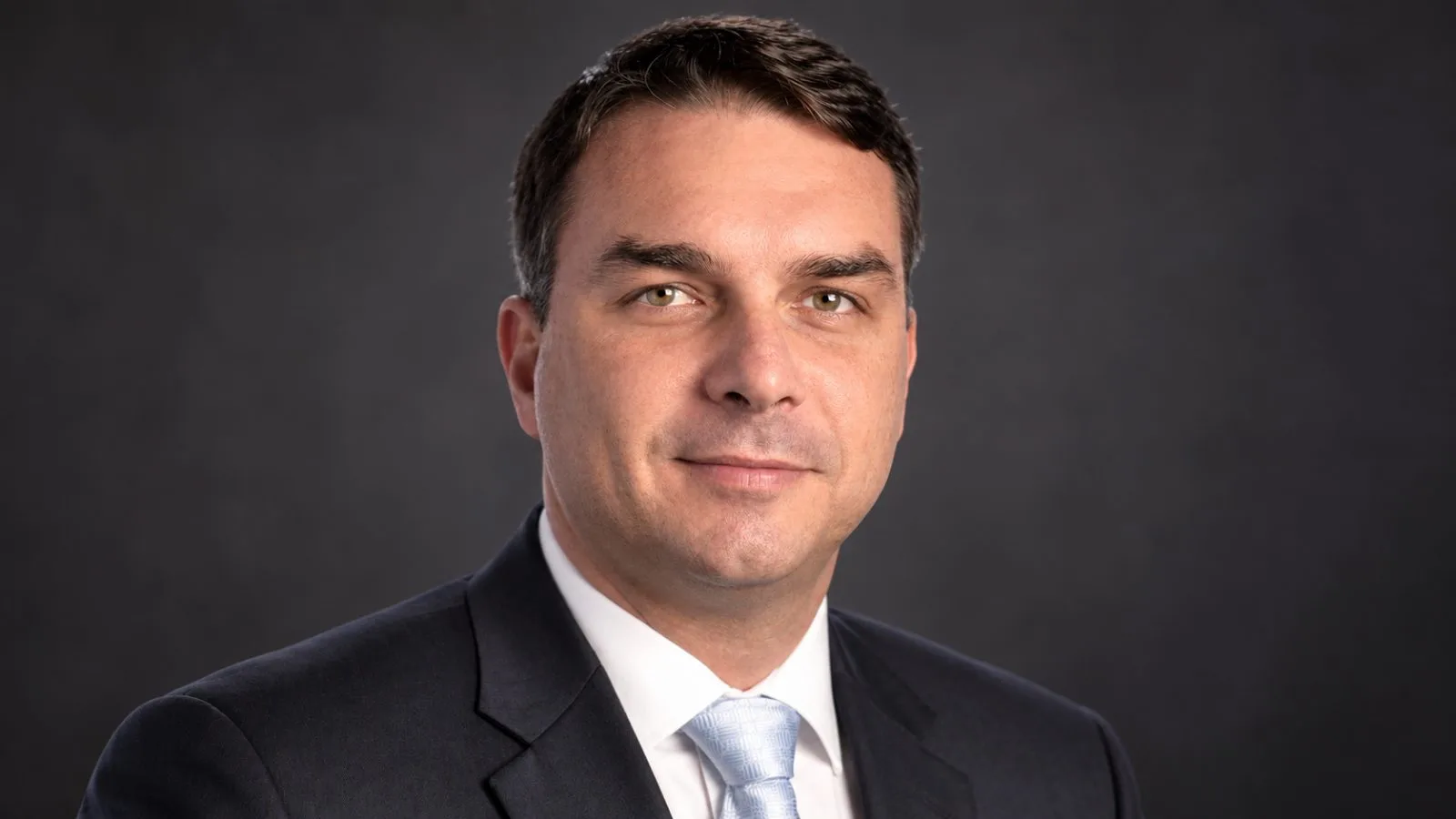
On political renewal, she said a Lula victory would give him a fourth term. Bolsonaro, despite being a newer figure personally, represented an established political family.
A divided Congress added another obstacle to the broad reforms she considered necessary. She doubted either candidate could carry out that effort and saw little prospect of political renewal in the next few years.