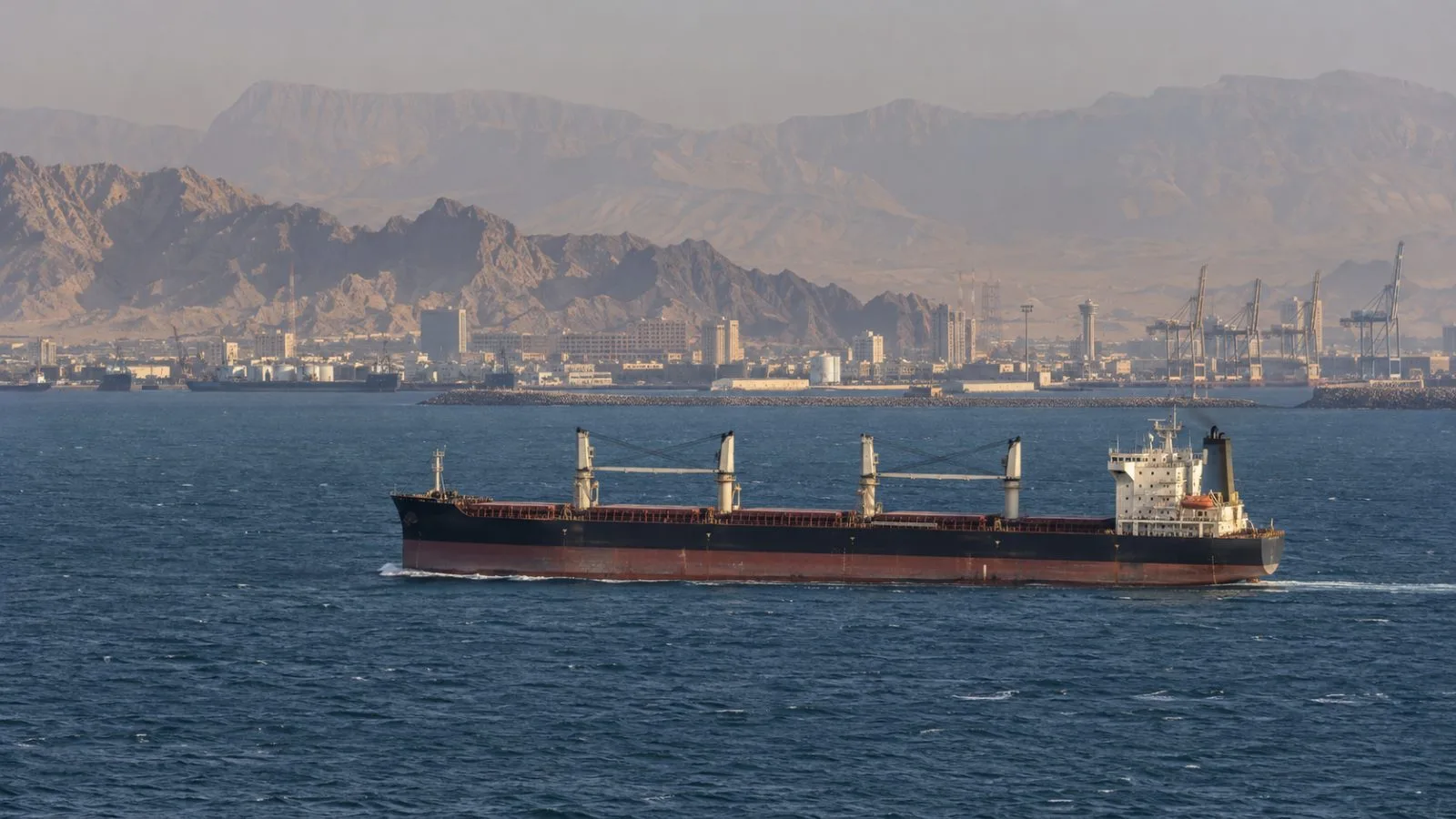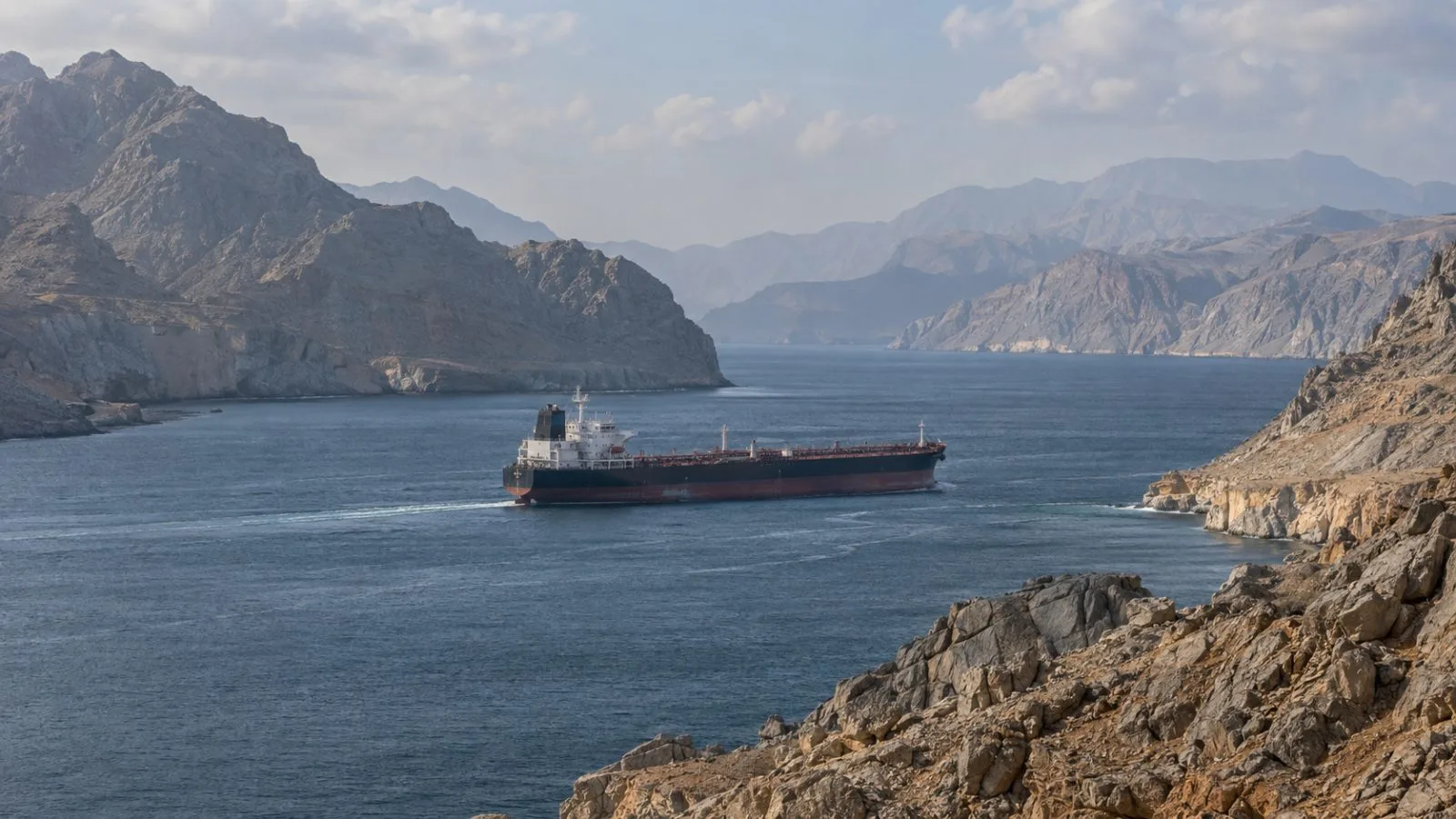
Britain and France are planning a multinational mission to clear mines from the Strait of Hormuz if a sustainable ceasefire and security conditions permit operations, seeking to reassure commercial shipping operators.
British Armed Forces Minister Louise Sandher-Jones said in an Oct. 23 parliamentary answer that the Royal Navy had uncrewed mine-warfare assets operating in the region. Her answer described joint planning; it did not say the multinational mission had begun.
In an April statement, then-UK Prime Minister Keir Starmer and French President Emmanuel Macron said the proposed force would support commercial shipping and mine clearance after a sustainable ceasefire, when conditions allowed it to operate. A later UK-France statement also made the mission dependent on a permissive security environment.
UK officials estimate that one-fifth of global oil passes through the waterway. Britain announced £115 million in new funding in May for mine-hunting drones and counter-drone systems. It also listed Typhoon jets and HMS Dragon among its planned contributions.
The Royal Navy said on June 23 that RFA Lyme Bay had arrived in the Middle East. It carried more than 270 personnel, including over 100 Royal Navy specialists in mine warfare and diving, as well as autonomous and remotely operated systems. The announcement did not specify the ship’s arrival date.
Rear Adm. Remi Thomas, the French Navy’s chief of staff for plans and programmes, said French drones were aboard Lyme Bay and French frigates were in the region in an Oct. 6 interview with The National. He said two French minehunters were prepared for operations in the Middle East.
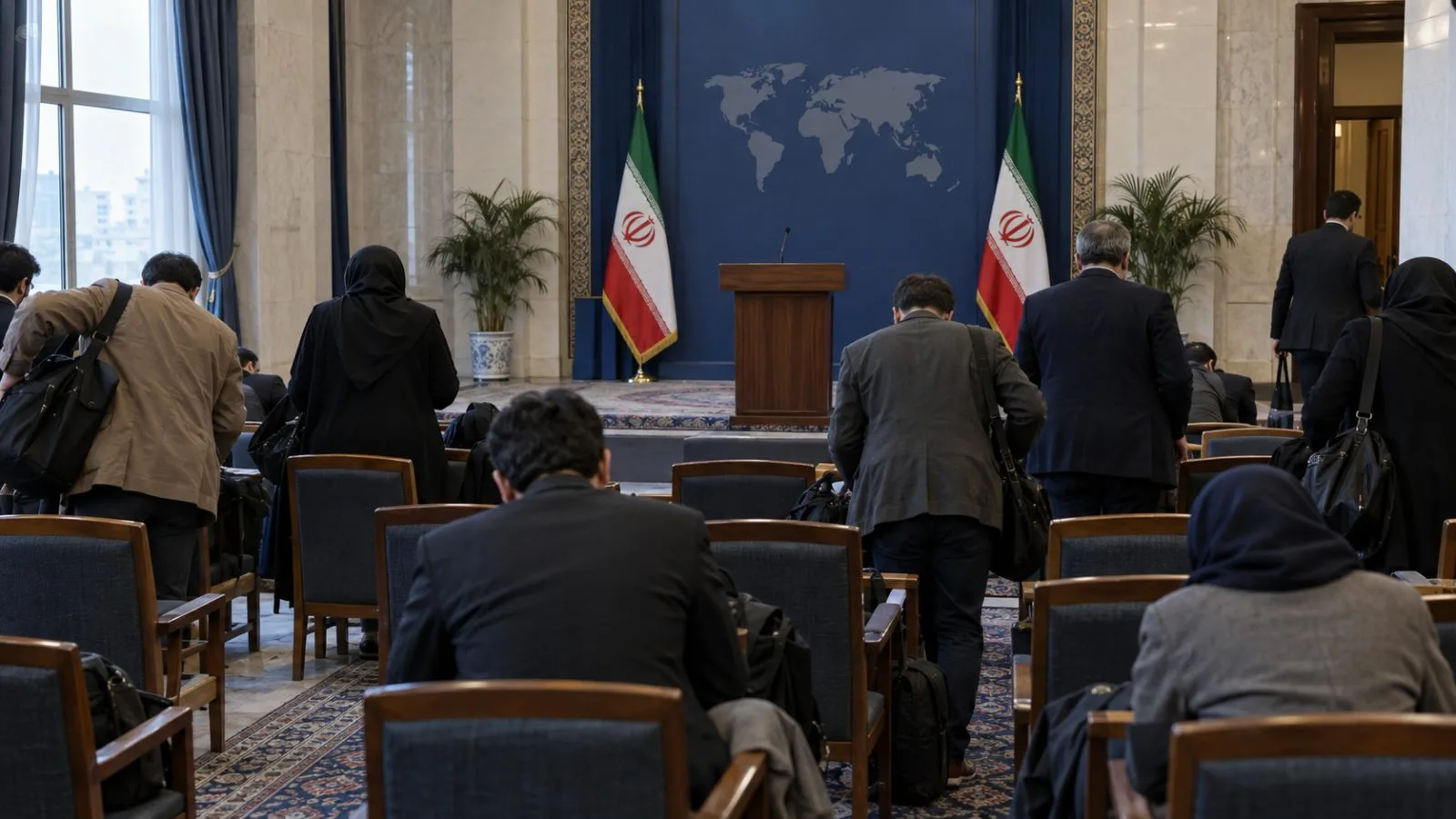
Mine risks have also figured in the dispute over passage. Iran’s Islamic Revolutionary Guard Corps (IRGC) Navy claimed that mines disabled two tankers near the strait, as detailed in EconoTimes’ earlier report on the tanker claims. Iranian Foreign Minister Abbas Araghchi said Sunday, Oct. 25, that the strait’s routes and management would not return to prewar arrangements.
Neither the May mission statement nor Sandher-Jones’ parliamentary answer gives a start date. The mission remains contingent on a sustainable ceasefire and conditions that allow the force to operate.