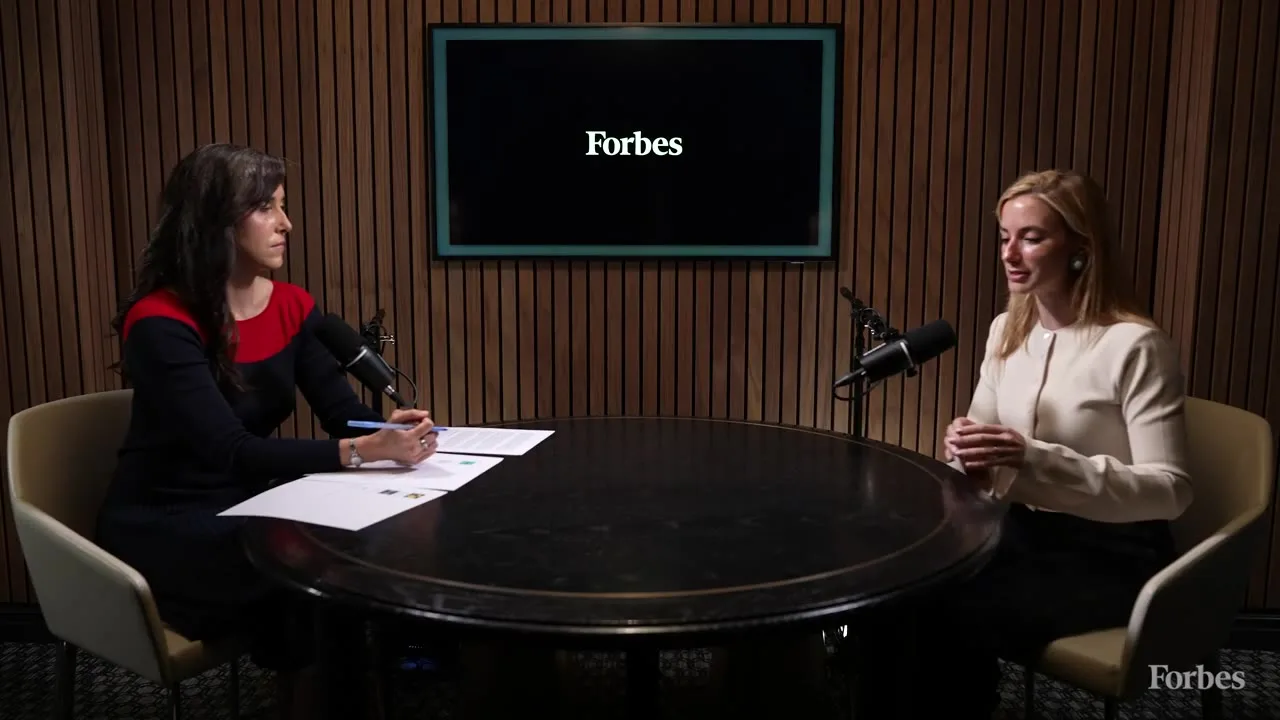
A Kalshi co-founder said years of intensive ballet training taught her the discipline and endurance that helped the prediction-market company endure regulatory setbacks and pursue expansion.
Speaking on Forbes Breaking News’ “Resume Builder,” published Nov. 20, the co-founder compared ballet with startups, saying ballet offered fewer places and therefore sharper competition. She said the declining number of ballet companies had made that pressure stronger.
“Everything that came after ballet was pretty chill,” she said, comparing the training with her time at the Massachusetts Institute of Technology. Ballet required dancers to train every day regardless of success or failure, she said, and taught her to keep working through difficult periods.
She linked that experience to Kalshi’s regulatory battles. The Commodity Futures Trading Commission rejected applications, delayed licensing and blocked election markets, she said. The company kept working while believing its business would eventually succeed.
The co-founder said ballet also showed her that people could work longer and harder than they expected. She recalled teachers holding cigarettes beneath a dancer’s raised leg, saying the pain could extend a 10-second effort to 30 seconds or more. She said ballet shaped her more than MIT or almost anything else.
Earlier jobs helped form the idea for Kalshi. During an internship at Anheuser-Busch’s internal startup program, she worked on Beer Box, a concept for vending beer to people trapped in long festival lines. The project involved speaking with users and building a minimum viable product, which she found enjoyable even though she did not then plan to start a company.
Work at MIT research labs exposed her to different fields, while internships at Bridgewater, Five Rings and Citadel changed her view of finance. She said Bridgewater introduced her to the industry, Five Rings gave her research experience and Citadel showed her the speed and competition of trading.
Those jobs also showed her that a long career trading a narrow group of real estate investment trusts would not satisfy her. She said the Kalshi idea emerged from combining lessons from her internships and those of co-founder Tariq, who worked at Goldman Sachs and Citadel.
Looking ahead, the co-founder said she wanted products beyond prediction markets, including perpetual contracts and crypto offerings, to become a major part of Kalshi. She also cited stronger institutional trading and international expansion as priorities for the coming year.