September headline inflation in Nigeria slowed to 14.63%, but food inflation stood at 19.59%; BusinessDay reported that Taiwo Oyedele described a possible 1,000% rate absent a government economic overhaul.
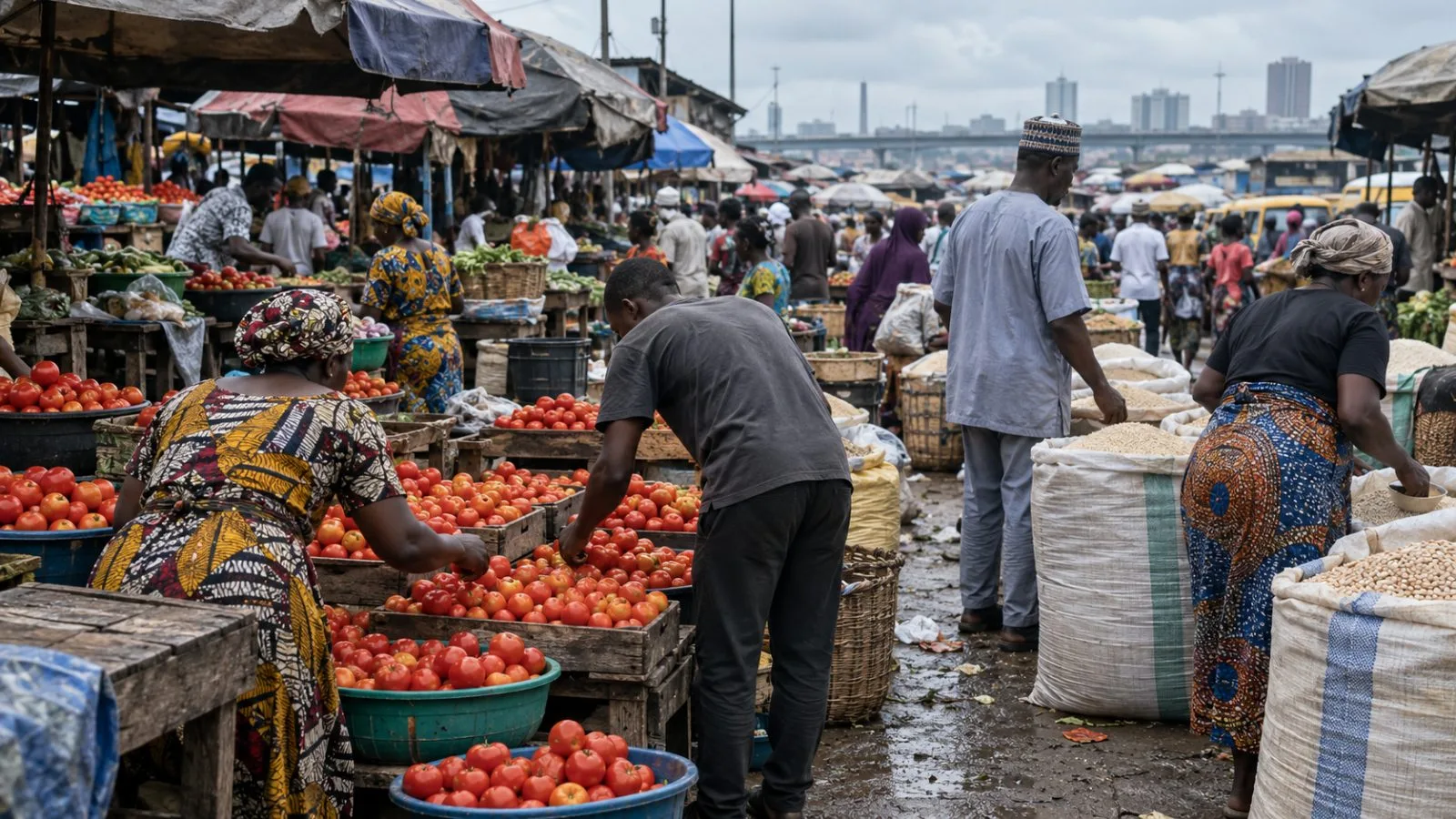
The National Bureau of Statistics (NBS) said the annual headline rate fell from 15.39% in August. September food inflation was higher than the overall rate, leaving food prices rising faster year over year than the broad consumer basket.
Annual inflation compares prices with the same month a year earlier. A lower rate means prices are increasing more slowly; it does not mean prices have returned to last year's levels, as earlier EconoTimes coverage of Nigeria's inflation data explained.
BusinessDay reported the 1,000% inflation warning on Oct. 21 and attributed it to Oyedele. The report linked his claim to a government economic overhaul.
In an Oct. 8 release, the World Bank said higher oil prices had lifted Nigeria's export earnings and government revenue. It also said higher domestic fuel costs and seasonal food prices slowed progress against inflation and weighed on household purchasing power. Its account pointed to stronger public revenue alongside continuing cost pressures for households.