Universal Basic Income (UBI) is a concept that has been floating around for years, but it hasn’t really been applied on a large scale except for Finland. This recently changed, however, as one city in Canada has also decided to adopt the system. If Elon Musk is to be believed, this is actually just the beginning since the famous billionaire thinks that global adoption of the compensation system is inevitable.
The pilot program for the UBI adoption is set to start in 2017, Futurism reports. It all started because of a paper that was written by former Senator Hugh Segal. Segal also acts as an advisor for the city of Ontario, which is what allowed him to make the concept a reality.
According to Segal, implementing UBI is not just a means of leveling the playing field on a lot of fronts, it is also a potential way out for those who are on welfare. Segal considers the current Canadian welfare system to be a “seriously demeaning” concept.
The program is set to last for three years, during which time, regulators will gather the necessary data to determine just how viable and beneficial the actual system is. According to the paper, these data sets will be collected via “administrative records, questionnaires, and interviews.”
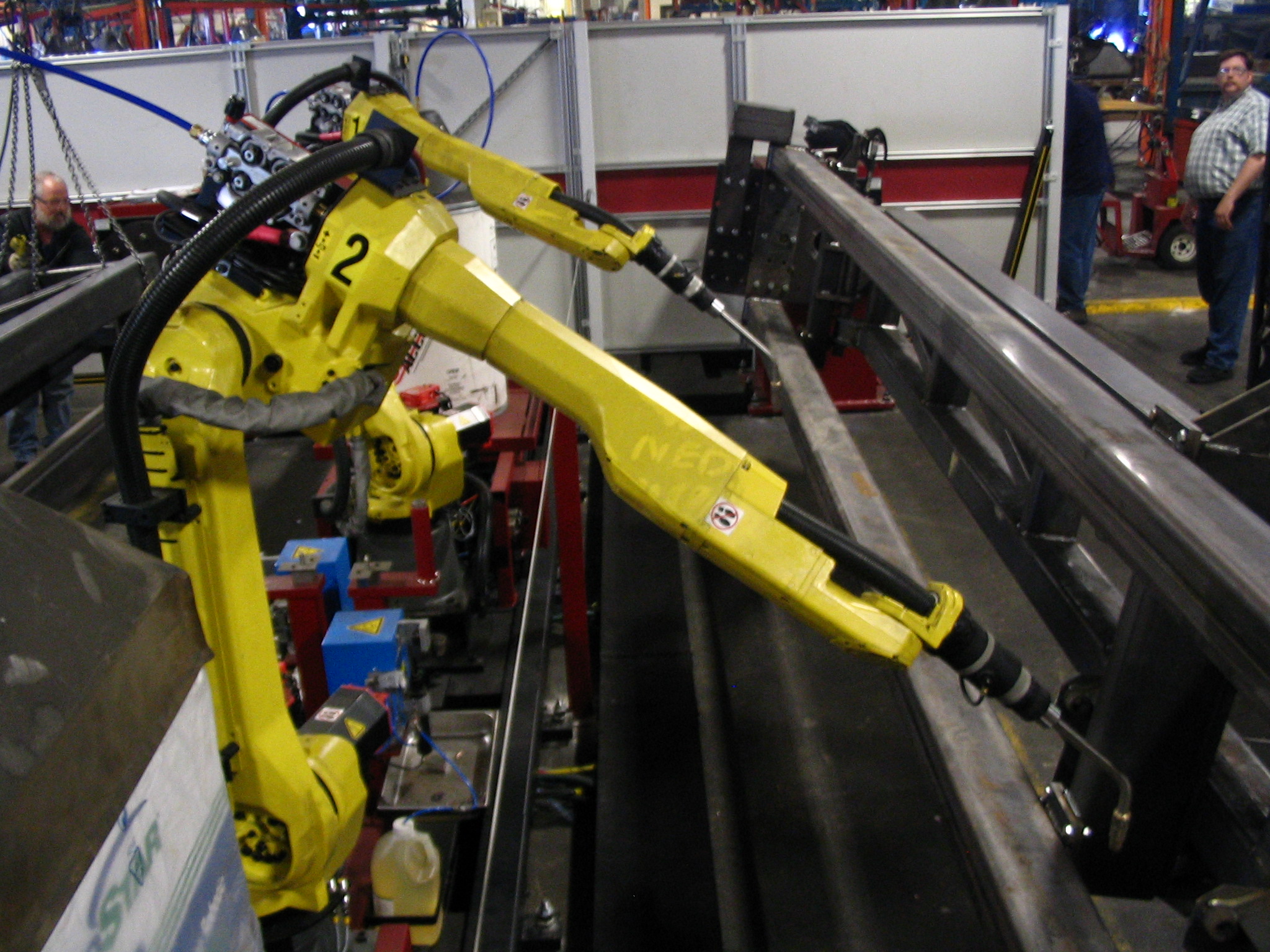
On a related note, tech mogul Elon Musk thinks that the widespread adoption of automation will practically cement the implementation of UBI in society, Investopedia reports. Musk believes, as do several economic and market analysts, that automation is key in making sure that UBI is actually put in place.
By having machines do much of the heavy lifting and the everyday necessities that keep the economy and countries as a whole working, income can be spread out more uniformly. However, this requirement also means that UBI is restricted largely to developed countries with the technology and wealth to support the transition.