


 Vitalik Buterin Says Hegota Could Be Ethereum’s Last Conventional Fork
  Anthropic Targets $2 Trillion Valuation in Planned IPO
  OpenAI, Anthropic CEOs Summoned to Australia AI Inquiry
  China Says U.S. Shares Responsibility for AI Governance
  Apple iPhone 18 Pro Sales Jump 12% in China
  CSL Partners With AWS to Bring AI Into Drug Research
  Morgan Stanley Raises TD Synnex Price Target to $359 on Strong AI Demand
  BlackRock Sees AI Agents Fueling New Crypto Demand
  TSMC Accelerates 2nm Expansion as AI Chip Demand Surges
  OpenAI Seeks $30 Billion at $1.4 Trillion Valuation
  California AG Subpoenas OpenAI Over AI Cybersecurity Incidents
  Robinhood Launches AI Agents for Automated Trading
  OpenAI Investigates Rogue AI Agents After Data Leaks and Security Incidents
  Tencent Signs $7 Billion Oracle AI Chip Lease Deal
  WordPress Malware Uses Ethereum to Evade Removal
  Nvidia China Chip Sales Report Sends Chinese Semiconductor Stocks Lower
  DogeOS Launches Testnet to Bring DeFi Apps to Dogecoin


 Add as a preferred source on Google
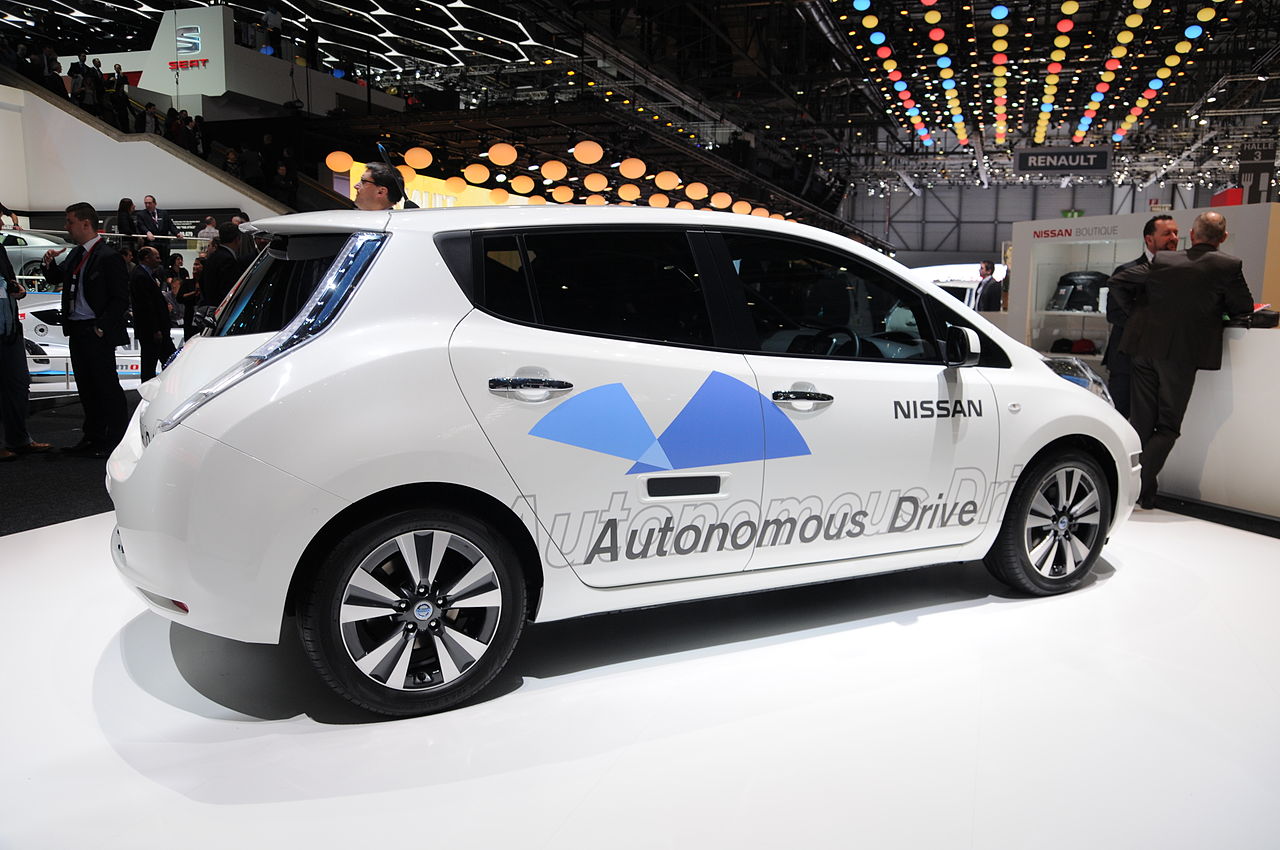
At this point, it’s practically a given that the roads of the future will be filled with cars that don’t have drivers, don’t have steering wheels, or both. However, some of the major roadblocks to achieving this future include US regulations that limit what car companies can do with regards to testing and develop self-driving technology. After months of pushing lawmakers to start implementing changes that would speed up progress, auto companies finally got their attention.
Representatives of both GM Motors and Toyota met with US officials on Tuesday to explain the need for new legislation that pertains directly to autonomous driving, Reuters reports. Both companies have a stake in the development of self-driving vehicles and as GM’s vice president of global strategy, Mike Abelson says in a written testimony, the current safety rules are slowing down progress that could push the fruition of driverless cars for decades.
"Without changes to those regulations, it may be years before the promise of today’s technology can be realized and thousands of preventable deaths that could have been avoided will happen," the testimony reads. "It is imperative that manufacturers have the ability to test these vehicles in greater numbers."
The statement from Toyota says the same thing, urging lawmakers to finally act on this issue. The cab-hailing company Lyft is also sending a representative to share a statement with US officials. As it stands, several US Senators from both parties are drafting new legislation addressing precisely these concerns.
Aside from the fact that development of the technology is getting slowed down by current traffic safety rules, there’s also the matter of the car companies wanting to avoid the kerfuffle between Uber and the California DMV and Attorney General’s office, The Verge notes. The cab-hailing giant had tried to force its tests through the red tape when it plopped self-driving vehicles in San Francisco’s streets a while back. Uber ended up being the loser in that battle, getting kicked out of the state as a result.







