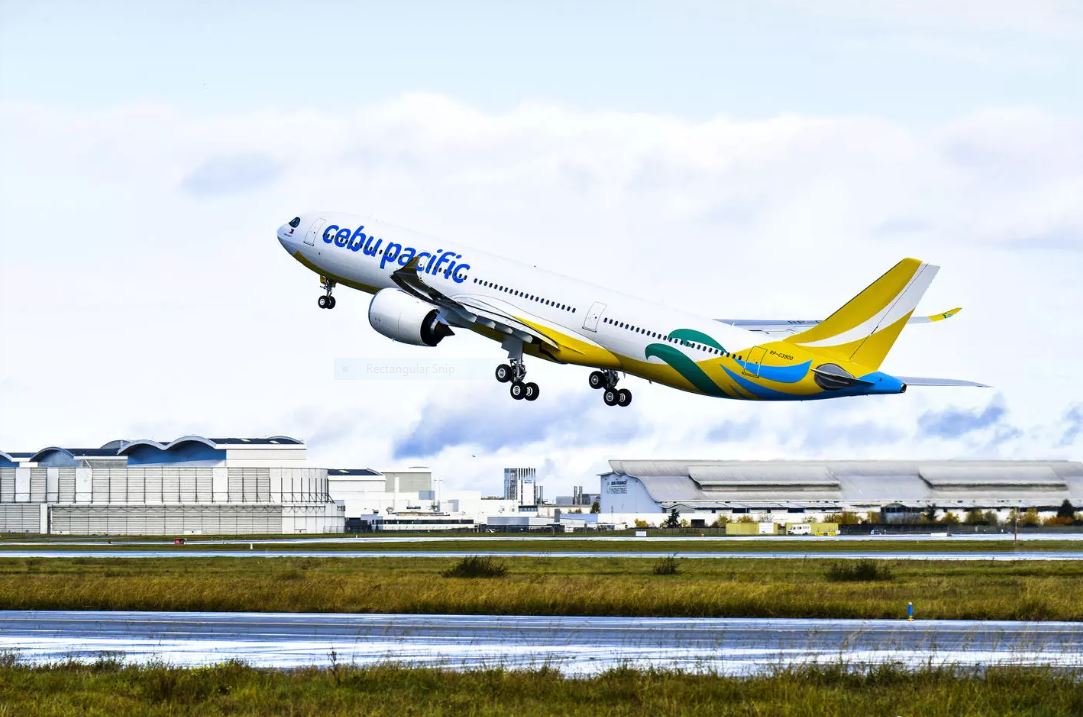
Philippine budget airline Cebu Pacific is set to decide in May or June regarding the selection of either Airbus or Boeing for an order exceeding 100 narrowbody aircraft. CEO Michael Szucs mentioned that the carrier is contemplating between Airbus' A320neo and A321neo models or Boeing's 737 MAX 8-200 and 737 MAX 10 for deliveries starting in 2027.
Cebu Pacific's Decision-Making Process
This impending decision, as per MSN, underscores the airline's ambitious expansion plans amid increasing demand for air travel in the Asia-Pacific region. Cebu Pacific's choice will not only reflect its growth strategy but also have significant implications for fleet standardization, operational efficiency, and passenger experience.
With both manufacturers offering fuel-efficient and technologically advanced options, the airline's selection process is heavily data-driven, involving meticulous assessments of long-term economic viability, maintenance considerations, and environmental impact.
Evaluating Economic and Environmental Factors
Reuters noted that Cebu Pacific's evaluation extends beyond the immediate fiscal investment to consider the economic implications throughout the aircraft's lifespan. Operating cost, fuel efficiency, and the potential for future regulatory changes are key factors in the airline's decision-making process.
With sustainability becoming increasingly important, Cebu Pacific is also weighing the environmental credentials of each aircraft model. Airbus and Boeing's commitments to reducing carbon emissions significantly align with the airline's vision for a greener future in aviation.
Anticipating Passenger Response
In addition to the technical and environmental aspects, Cebu Pacific acknowledges that passenger perception and comfort are paramount. Their choice will factor in the anticipated customer response to new cabin designs, seat comfort, and overall in-flight experience. This passenger-centered perspective ensures that the airline maintains its competitive edge in the busy Asia-Pacific market, where customer satisfaction is a major determinant of an airline's success.
Photo: Airbus Newsroom