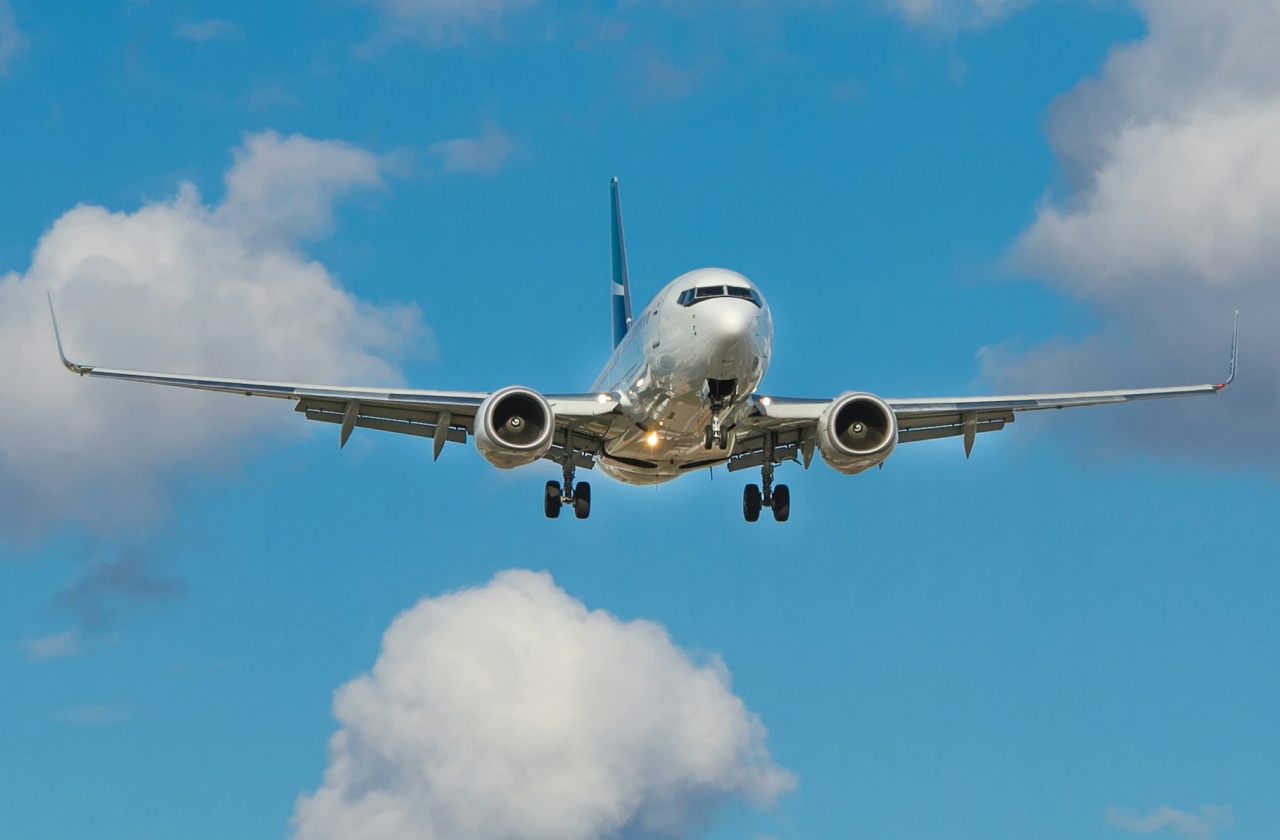
The Boeing Company is reportedly moving the delivery dates for some of its 737 MAX planes to a later date. The aircraft maker explained on Sunday, Feb. 4, that the delay was mainly due to a quality glitch that needed more work.
According to Reuters, Boeing Co. will check and work more thoroughly on around 50 737 MAX jets that have yet to be delivered to buyers. The company said that the added work may prolong the delivery time of planes with near-time dates.
Cause of the Added Work on Planes
Boeing decided to inspect again and do more work on the 737 MAX airplanes after Spirit AeroSystems, one of its suppliers, found two drilled holes on some fuselages that should not have been made or misplaced. The company confirmed this flaw to Reuters, which inquired about the spacing problem after holes drilled on a window frame were discovered. Boeing said that the safety of the flights was not affected and existing 737 MAX jets may continue flying.
"This past Thursday, a supplier notified us of a non-conformance in some 737 fuselages. I want to thank an employee at the supplier who flagged to his manager that two holes may not have been drilled exactly to our requirements," Stan Deal, the chief executive officer of Boeing Commercial Airplanes, said in a memo addressed to employees.
He added, "While this potential condition is not an immediate flight safety issue and all 737s can continue operating safely, we currently believe we will have to perform rework on about 50 undelivered airplanes."
Adjustments on the Affected Planes
Wall Street Journal noted that the mis-drilled holes on Spirit AeroSystems fuselages are the latest production slip-up that involves Boeing Company. To amend the issue, Boeing will check and focus on the positioning of two holes in the window frames of the 50 undelivered aircraft.
Spirit AeroSystems spokesperson said, "As part of our 360-degree quality management program, a member of our team identified an issue that does not conform to engineering standards."
Photo by: John McArthur/Unsplash