


 Fed Rate Hike Threatens Housing as U.S. Growth Leans on AI, Citi Says
  BlackRock’s Rick Rieder Favors Bonds Over Stocks as Treasury Yields Surge
  RBA Says ASX Still Falls Short on Governance and Risk Controls
  RBI Raises Repo Rate to 5.50% in Hawkish Shift on Inflation Risks
  Trump Demands Powell Resign Over Fed Renovation Cost Overruns
  BOJ Signals Faster Rate Hikes as Inflation Risks Grow
  ECB May Stop Rate Hikes After December, Capital Economics Says
  Best Gold Stocks to Buy Now: AABB, GOLD, GDX


 Add as a preferred source on Google
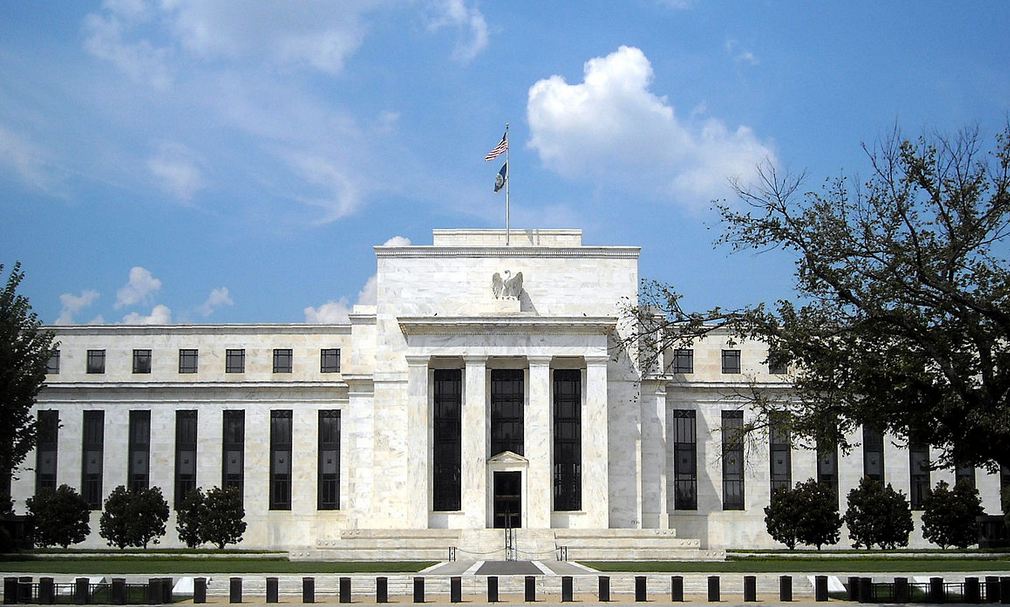
We have been arguing that normalization of monetary policies will be driving markets for years to come. We expect the Fed to lead the way. Other G10 central banks are likely to continue moving to the opposite direction for a while, and then start tightening after the Fed's tightening cycle has advanced.
Even if the Fed delays hiking rates, it will be the first central bank to do so, in our view. We believe that the ECB, at the other extreme, will have to ease policies further.
We expect the ECB to miss its inflation target in the months ahead and start talking about QE2, in the form of extending QE after September next year. The timing of the Fed rate hike and the ECB seriously considering QE2 will determine the EUR/USD path, but the final outcome is a weaker EUR/USD, in our view.
We like selling the EUR/USD rallies when we get them, as the path will continue being volatile. We also note that the Eurozone's unemployment rate is the highest in G10 compared with pre-crisis levels, and that the Eurozone also has the largest output gap. This suggests that EUR/USD could weaken more and remain weak in the medium term.







