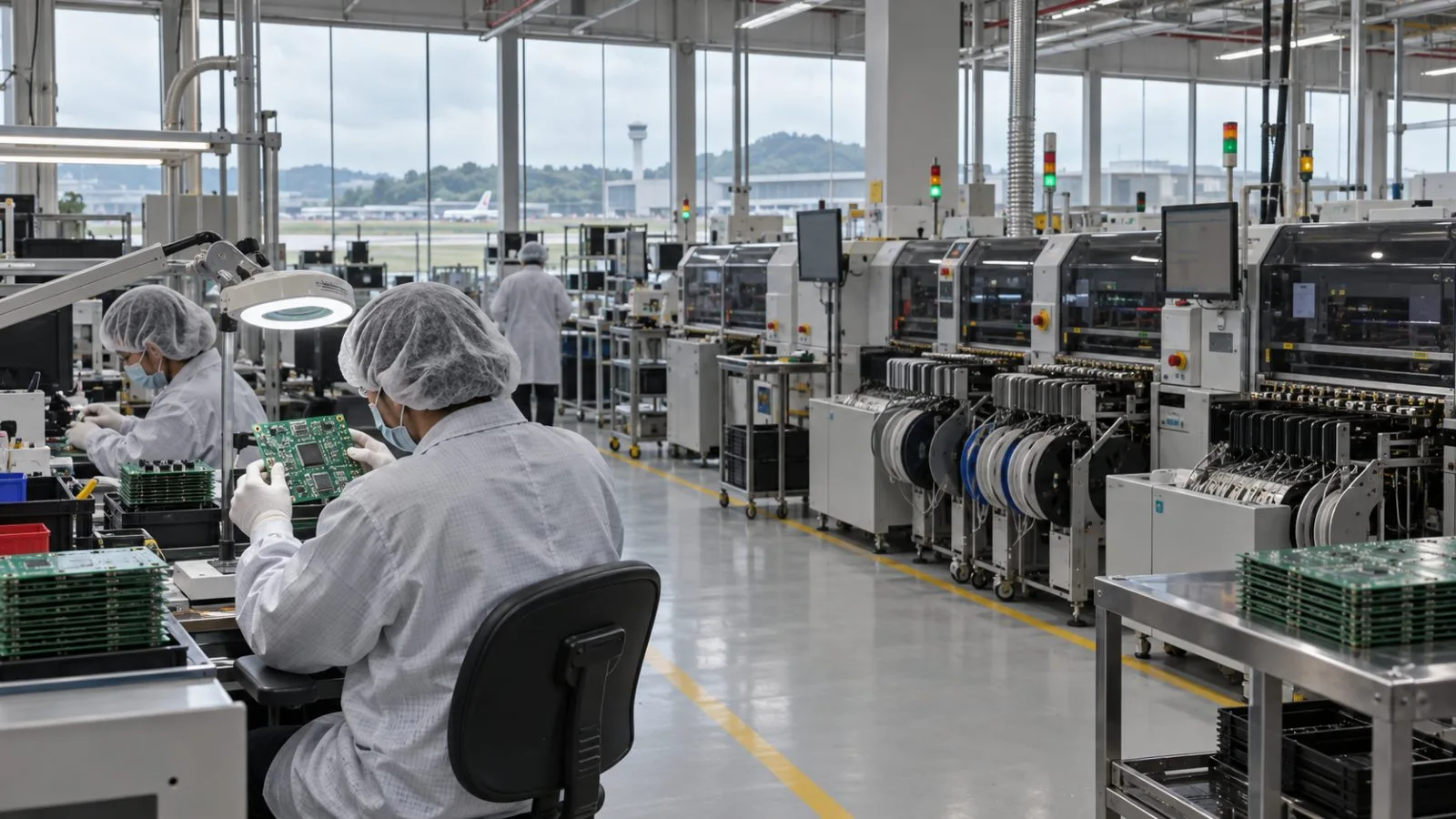
China’s northeastern city of Changchun, widely recognized as the home of FAW Group, is moving to transform its traditional automotive industry as the country’s electric vehicle (EV) market continues to evolve. The city has unveiled a draft development plan through 2030 that aims to modernize its automotive sector, attract leading EV manufacturers, and strengthen its position in China’s rapidly changing auto industry.
According to the draft plan released by Changchun’s Industry and Information Technology Bureau, China’s domestic automotive market is expected to undergo significant consolidation over the next several years. The document forecasts that the number of automaker groups operating in the country could decline to around 15 by 2030, down sharply from the current 71. The projection highlights growing competition in the automotive industry and increasing pressure on companies to improve efficiency, scale, and innovation.
The plan also acknowledges challenges facing FAW Group, China’s oldest automaker and a major state-owned enterprise headquartered in Changchun. The company has experienced declining production and sales figures in recent years, raising concerns about its long-term competitiveness and increasing the possibility of future restructuring efforts.
To revitalize the local automotive ecosystem, Changchun intends to capitalize on FAW Group’s presence and industry resources to attract strategic partners. The city specifically mentioned the possibility of working with EV manufacturers such as Leapmotor to introduce new vehicle projects and expand production capabilities.
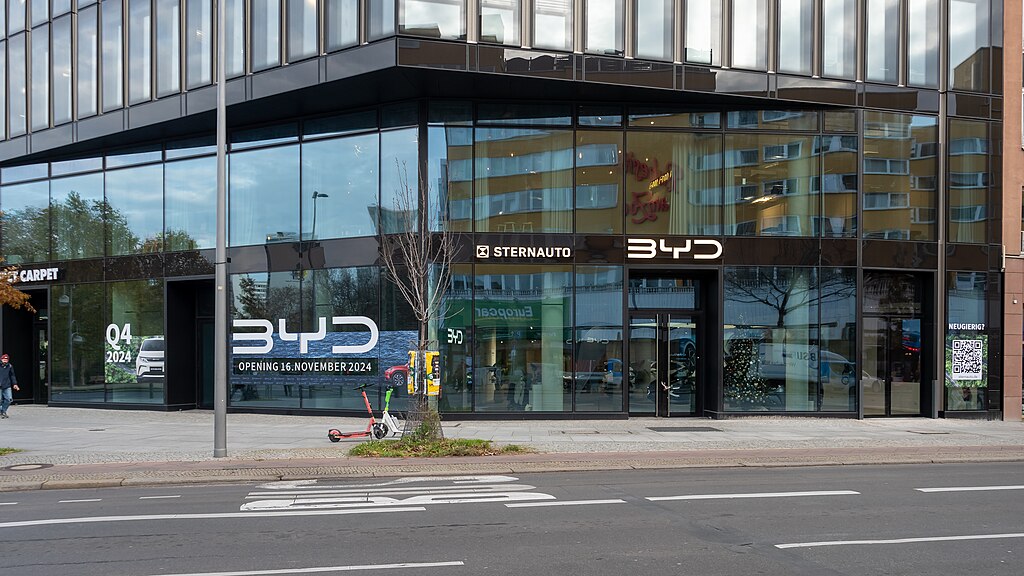
In addition, Changchun is actively targeting some of China’s fastest-growing electric vehicle companies, including BYD and Xiaomi. City officials hope to encourage these firms to establish northern China production bases, smart vehicle research and development centers, and key automotive component manufacturing facilities. By attracting leading EV brands and technology-driven projects, Changchun aims to diversify its industrial foundation and secure a stronger role in China’s future electric vehicle supply chain.
The initiative reflects broader trends in China’s automotive sector, where electric vehicles, smart mobility technologies, and industry consolidation are reshaping the competitive landscape. Through strategic investment and partnerships, Changchun is positioning itself to remain a major automotive hub in the years ahead.