China is doubling down on its industrial-focused economic strategy as it prepares for high-stakes trade negotiations with the United States and the European Union, signaling little intention of making major policy changes despite growing international criticism.
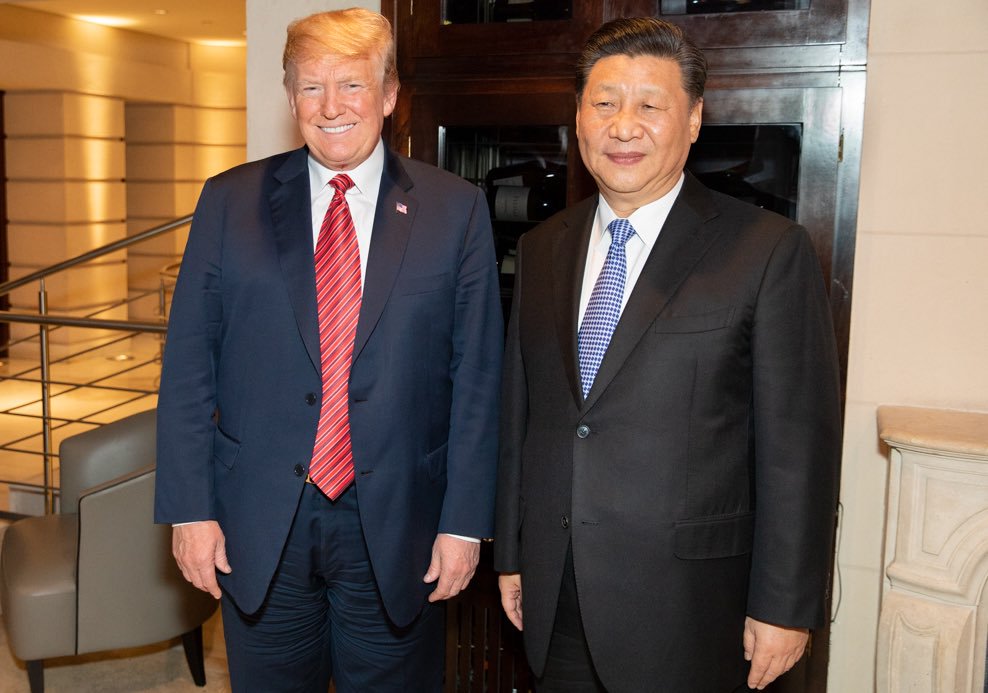
President Xi Jinping is expected to meet U.S. President Donald Trump several times later this year, while the European Union has set an October deadline for Beijing to address trade concerns linked to China's massive trade surplus. Western governments argue that China's emphasis on manufacturing and advanced industries, rather than boosting domestic consumption, has fueled global market imbalances by flooding overseas markets with low-cost exports.
However, recent statements from China's leadership suggest Beijing remains committed to its current economic model. During a meeting of senior Communist Party officials, leaders called for targeted policy support instead of broad consumer stimulus or structural reforms long advocated by foreign governments and economists.
China's Commerce Ministry also released a policy paper rejecting accusations of industrial overcapacity, describing such claims as politically motivated and based on flawed reasoning. Meanwhile, the Communist Party's theoretical journal Qiushi defended China's relatively low consumer spending as a historically necessary outcome of its investment-led development strategy while acknowledging that gradual adjustments will eventually be required.
Analysts believe the messaging is designed to strengthen China's negotiating position without explicitly ruling out future policy changes. Economists say Beijing wants trading partners to better understand its economic priorities while drawing clear boundaries against trade restrictions targeting Chinese industries.
Chinese officials continue to argue that the country's manufacturing strength, technological innovation, and scientific investments benefit the global economy. Premier Li Qiang recently dismissed concerns about a "China Shock 2.0," instead promoting what he called a "China Opportunity 2.0."
Despite these claims, international organizations remain skeptical. The OECD estimates that subsidies explain much of the market share gains achieved by Chinese manufacturers, while studies from the Bank of Italy and McKinsey Global Institute point to weak domestic demand, excess production capacity, and declining investment returns as key drivers of China's export growth.
With trade tensions still elevated, analysts say Beijing appears increasingly confident that it can manage disputes with both Washington and Brussels while preserving its long-term industrial strategy, even as calls for deeper economic reforms continue to intensify.