


 South Korea GDP Surges on Chip and AI Boom
  Asian Currencies Mixed as Yen Rallies on BOJ Bets
  Trump Imposes New Tariffs on Drone Imports Over US Security Concerns
  Yen Rebounds as BOJ Rate Hike Bets Rise
  EU to Boost Greenland Investment Amid Trump Pressure
  Merz Rejects AfD Alliance After Saxony-Anhalt Surge
  Australia Plans New Rules Giving Users Control Over Social Media Feeds
  Trump Signs Order to Cut Routine Childhood Vaccines
  Iran Vows Tougher Response as U.S. Sanctions Squeeze Economy
  Japan, U.S. Stay Aligned on Yen as Currency Surges
  Trump Peace Envoys Meet Zelenskiy in Kyiv After Putin Talks
  Trump Targets 1,000 U.S. Space Launches Annually by 2030
  Gold Holds Near $4,400 as Fed Hike Bets Rise
  OPEC+ Expected to Hold October Oil Output Steady
  ECB Set for September Rate Hike as Energy Prices Fuel Inflation
  US Stock Futures Mixed as Strong Jobs Data Boosts Fed Rate Hike Bets


 Add as a preferred source on Google
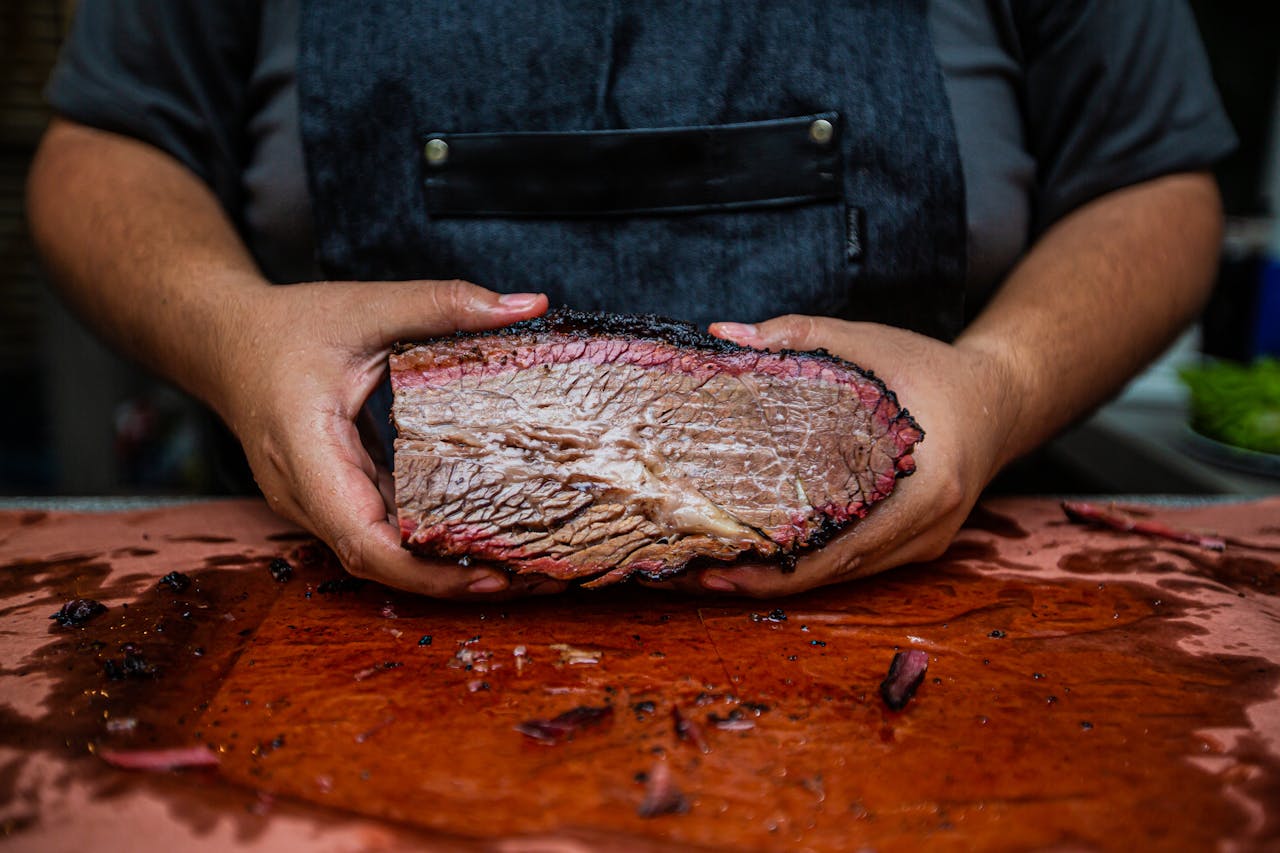
China will impose an additional 55% tariff on beef imports that exceed newly set quota levels starting January 1, 2026, as part of safeguard measures aimed at protecting its domestic cattle industry. The policy will apply for three years and cover major beef suppliers including Brazil, Australia, the United States, Argentina, Uruguay, and New Zealand, according to China’s Ministry of Commerce.
Under the new rules, China’s total beef import quota for 2026 is set at around 2.7 million metric tons, roughly in line with the 2.87 million tons imported in 2024. The quota will increase gradually in 2027 and 2028, but any volumes exceeding the annual limits will face a steep 55% tariff. The ministry said the surge in imported beef has caused serious damage to China’s domestic beef sector, following an investigation launched in December last year.
China’s beef imports declined slightly by 0.3% year-on-year to 2.59 million tons in the first 11 months of 2025. However, imports from key suppliers such as Brazil and Australia during this period already exceeded the new quota levels, signaling potential disruptions to global beef trade in 2026. Brazil alone shipped about 1.33 million tons to China during the first 11 months of 2025, well above its allocated quota.
Analysts expect China’s beef imports to fall further next year as a result of the safeguard measures. Industry experts note that China’s beef cattle farming remains less competitive compared with major exporters like Brazil and Argentina, a gap that cannot be closed quickly through technology or policy reforms.
The move comes amid a global beef shortage that has driven prices higher worldwide, including record levels in the United States. Exporters have expressed mixed reactions, with Australian and Brazilian industry groups warning of revenue losses, while governments say they will explore negotiations or alternative markets. China, meanwhile, says the tariffs will help stabilize its breeding cow inventory and support the long-term adjustment and upgrading of its domestic beef industry.







