Chinese fireworks factories are playing a major role in America’s 2026 Independence Day celebrations, despite ongoing trade tensions between the United States and China. In Liling, a major fireworks manufacturing hub in southern China, producers say business has improved significantly after the rollback of steep U.S. tariffs that previously disrupted exports.
Black Scorpion Fireworks, a well-known fireworks brand based in China’s Hunan province, reported a sharp rise in U.S. orders this year. According to company representative Wilson Lam, demand from American buyers increased by 15% to 30% after tariff reductions eased pressure on importers. Many fireworks boxes feature patriotic American imagery, including U.S. flags, bald eagles, and even a photo of President Donald Trump raising his fist after the failed 2024 assassination attempt, alongside slogans such as “Fight for America” and “Make America Great Again.”
China remains the world’s leading fireworks exporter, accounting for nearly two-thirds of global fireworks sales. The United States alone purchases close to 40% of China’s fireworks exports, highlighting the deep economic ties between the two countries despite political disagreements. Most shipments for the July 4 celebrations were completed before temporary factory shutdowns for safety inspections following a deadly explosion in the region.
The fireworks industry supports hundreds of thousands of workers across China’s “fireworks corridor” in Hunan and Jiangxi provinces. Cities like Liuyang and Pingxiang are globally recognized for fireworks production and tourism centered around large-scale fireworks festivals.
Some manufacturers, however, remain cautious. Rising tariffs last year forced several exporters to seek alternative markets outside the United States. Still, business leaders believe American consumers continue to rely heavily on affordable Chinese-made products, including fireworks, clothing, and footwear.
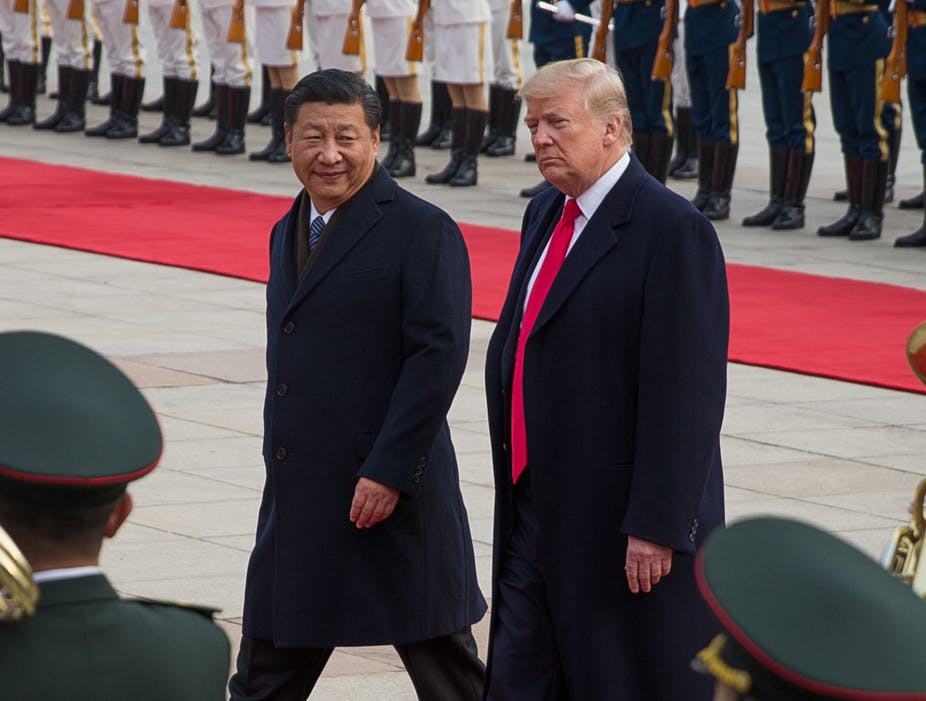
Industry representatives expect President Trump’s upcoming visit to Beijing to help maintain a temporary trade truce and stabilize economic relations between the world’s two largest economies.