Iran’s effort to pressure global oil markets by restricting traffic through the Strait of Hormuz is losing some of its effectiveness as U.S. support helps Gulf producers maintain crude shipments, according to the Wall Street Journal.
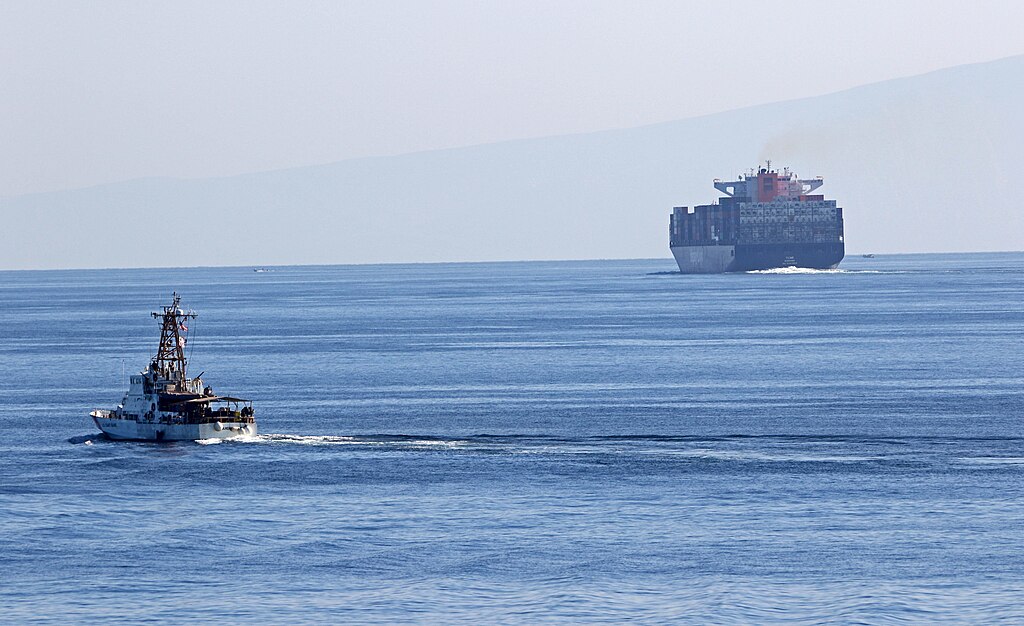
Six months into the conflict, Iran is also facing growing economic strain at home. A U.S. naval blockade has prevented Tehran from exporting oil from the Persian Gulf since July, while Washington has helped Gulf Arab producers move substantial volumes through Hormuz despite Iranian missile and drone attacks.
TankerTrackers.com data showed roughly 5 million barrels of crude per day crossed the Strait of Hormuz on average during the latest 28-day period, with almost none originating from Iran. Another 2.5 million barrels per day were shipped through Gulf of Oman ports, including Fujairah in the United Arab Emirates.
Combined, those flows represent more than 40% of the region’s prewar oil shipments. Global crude prices have remained below $100 per barrel, partly because China has tapped domestic reserves and reduced oil imports.
The continued flow has limited Iran’s ability to use Hormuz, which normally handles about one-fifth of global crude supplies, to generate the international economic disruption Tehran had anticipated. However, the U.S. blockade has also failed to persuade Iran to fully reopen the strategic waterway or significantly alter its behavior.
Iran’s domestic economy is increasingly under pressure. The rial has weakened, inflation is climbing and gasoline shortages have become widespread. President Masoud Pezeshkian has said Iranian trade has declined by between 25% and 35%.
Other Gulf economies are also feeling the impact, particularly countries without alternative shipping routes, as exports of liquefied natural gas, fertilizer and other commodities remain constrained.
Iran has continued targeting tankers and U.S. military facilities while avoiding broader attacks on Saudi Arabia and the UAE. Washington has similarly refrained from striking major Iranian cities or the country’s current leadership.
Tehran now faces a strategic choice between returning to negotiations or escalating military action. With U.S. midterm elections approaching in November, continued tensions around the Strait of Hormuz could keep global oil markets vulnerable to renewed supply disruptions and price volatility.