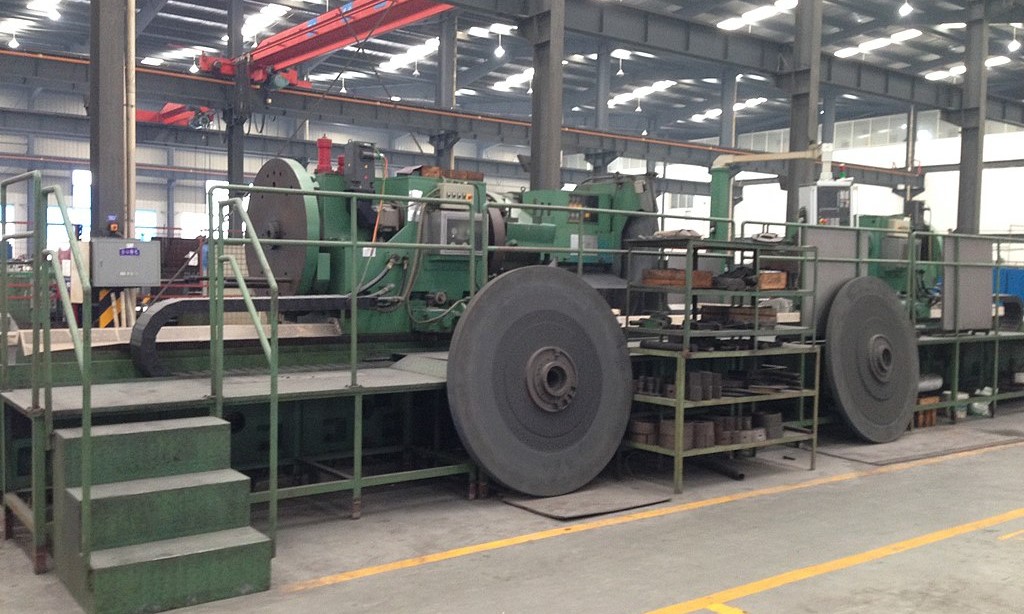
China’s manufacturing sector posted modest growth in June, with factory activity slightly exceeding market expectations as stronger export demand and continued investment in artificial intelligence supported production. However, the latest data also highlighted ongoing challenges, including weak domestic demand and cautious consumer spending that continue to limit the pace of the country’s economic recovery.
According to official government data released on Tuesday, China’s Manufacturing Purchasing Managers’ Index (PMI) rose to 50.3 in June, beating analysts’ expectations of 50.2. The reading also improved from 50.0 in May, keeping the manufacturing sector in expansion territory, as any reading above 50 signals growth.
The improvement was largely driven by solid export orders, with overseas buyers accelerating purchases amid uncertainty surrounding the recent Middle East conflict and the risk of higher oil prices. Many importers chose to secure shipments early to avoid potential supply disruptions and rising costs. However, analysts believe this export-driven momentum could ease in the coming months after the United States and Iran reached a peace agreement, helping oil prices retreat to levels seen before the conflict.
China’s services sector also showed modest improvement during the month. The official non-manufacturing PMIclimbed to 50.2, surpassing market forecasts of 49.9 and improving slightly from 50.1 in May. While the data suggests business activity in the services sector is stabilizing, overall domestic demand remains subdued as consumers continue to spend cautiously.
Meanwhile, the country’s composite PMI, which combines manufacturing and non-manufacturing activity, increased to 50.6 in June from 50.5 in the previous month. The reading points to gradual expansion across the broader economy but also reflects the uneven nature of China’s recovery.
Despite stronger exports and ongoing AI-related investment providing support for industrial production, economists continue to monitor signs of softer domestic consumption. Weak household spending and sluggish internal demand remain significant obstacles, raising questions about whether external demand alone can sustain economic momentum in the second half of the year.
Investors will continue watching upcoming economic indicators and policy measures for further clues on the strength of China’s recovery, particularly as global trade conditions and geopolitical risks continue to evolve.