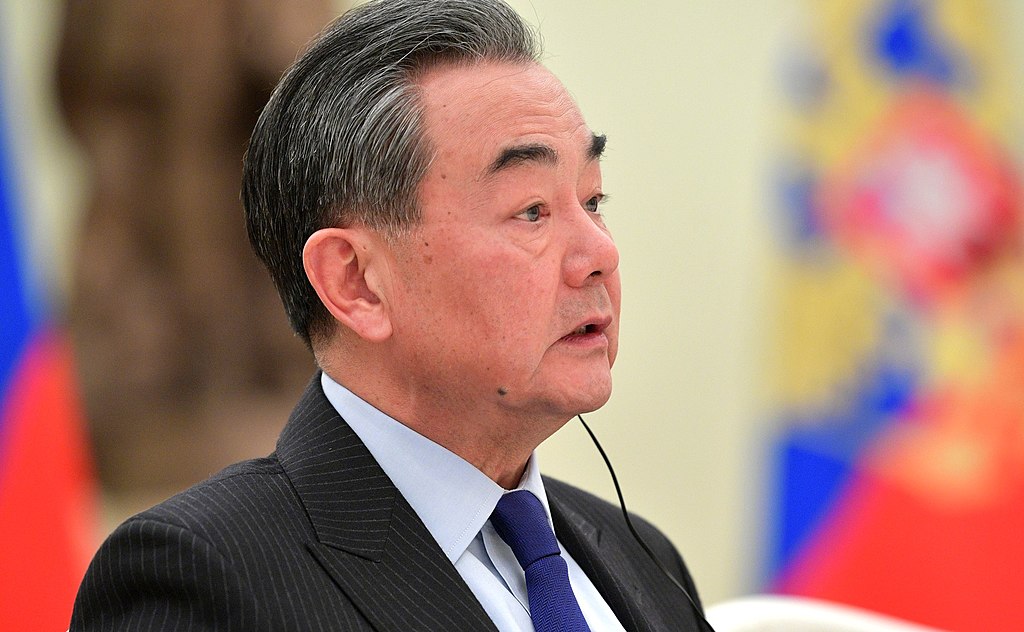
China’s Foreign Minister Wang Yi has pushed back against the United States’ handling of Venezuelan President Nicolas Maduro’s capture, saying Beijing rejects any nation acting as the “world’s police” or “world’s judge.” Speaking in Beijing during talks with Pakistani counterpart Ishaq Dar, Wang criticized what he referred to as “sudden developments in Venezuela,” stressing that all nations’ sovereignty and security must be protected under international law. His remarks come after images showed the 63-year-old Maduro blindfolded and handcuffed before being taken to a New York detention center, where he awaits a court appearance on drug-related charges.
Maduro’s arrest poses a major diplomatic challenge for China, which has worked for years to strengthen its influence and global leadership credentials. Since brokering the 2023 Saudi-Iran rapprochement, Beijing has pledged to play a “constructive role” in global conflicts and has grown increasingly confident after standing its ground against Washington in recent trade negotiations. But U.S. President Donald Trump’s declaration that the United States will oversee Venezuela’s government for the time being tests the “all-weather comprehensive strategic partnership” China forged with Caracas in 2023, ahead of their 50th year of diplomatic relations.
A Chinese official familiar with recent talks said the arrest undermined Beijing’s efforts to appear as a reliable partner to Venezuela. The official noted that China’s special envoy for Latin America, Qiu Xiaoqi, met with Maduro only hours before his capture. Uncertainty also surrounds the status of Maduro’s son, who has longstanding educational ties to China after enrolling at Peking University in 2016.
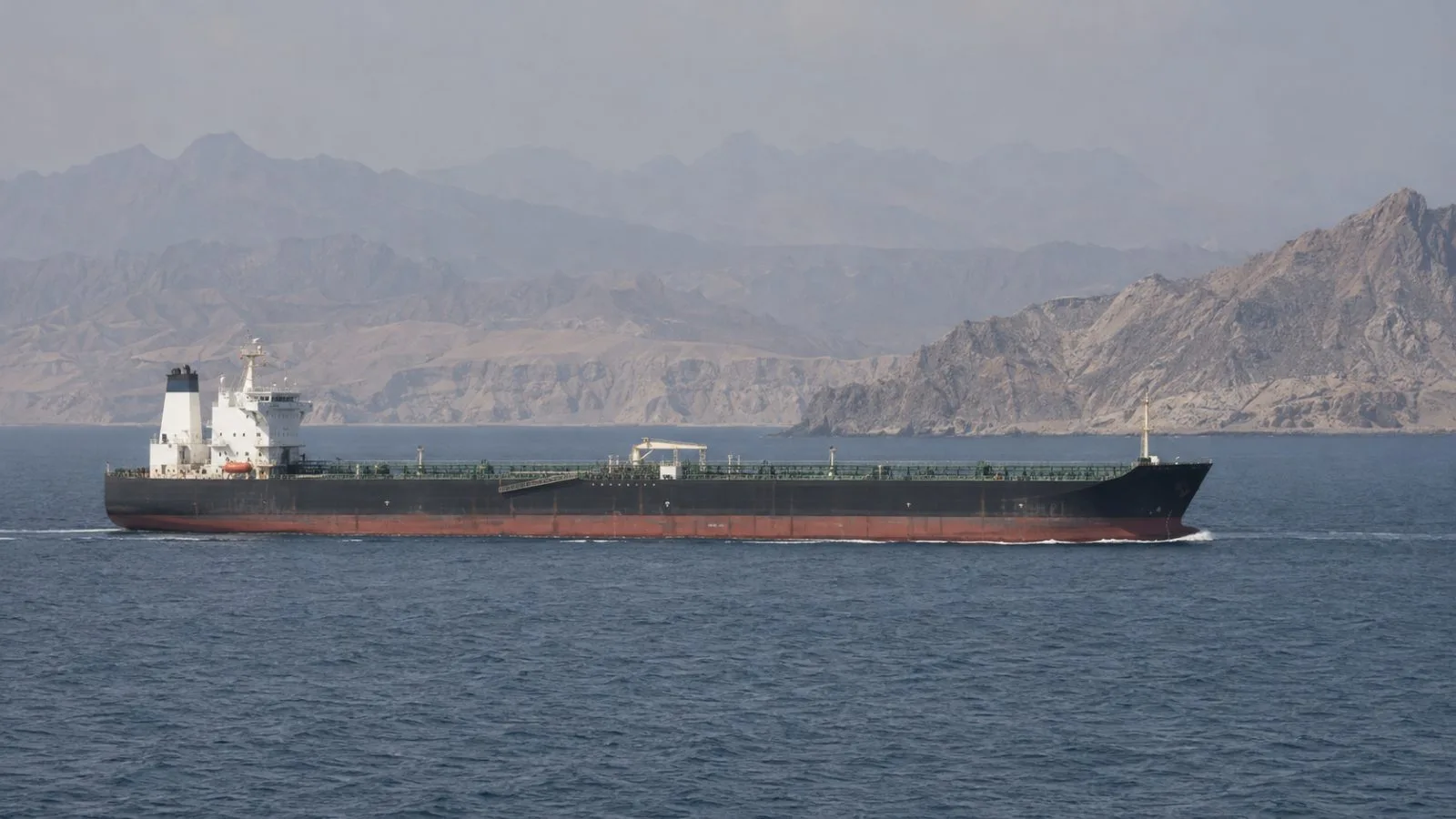
China has long served as an economic lifeline for Venezuela amid escalating U.S. sanctions. Beijing purchased roughly $1.6 billion in Venezuelan goods in 2024, nearly half of which was crude oil, according to customs data. State-owned Chinese energy companies had invested an estimated $4.6 billion in Venezuela by 2018, underscoring the strategic stakes for Beijing as it navigates the fallout from Maduro’s arrest.