


 Yen in Focus as BOJ, Fed Rate Hikes Reshape Currency Markets
  OPEC+ Expected to Hold November Oil Output Quotas Steady
  RBA Hikes Interest Rate to 4.60% as Inflation Risks Rise
  ECB May Stop Rate Hikes After December, Capital Economics Says
  Asian Currencies Slide as Dollar Rises, Euro Hits 17-Month Low
  BOJ Raises Interest Rate to 31-Year High as Yen Weakens
  Fed’s Logan Signals 50 Basis Points More in Rate Hikes
  India-US Trade Deal Talks Hit Plateau, Sitharaman Says
  Asian Stocks Rise as Nasdaq Record Offsets Bond Yield Pressure
  Ukraine Faces $56 Billion Budget Gap as War Costs Soar
  German Industrial Orders Plunge 10.6% in August
  RBA Set for September Rate Hike as Inflation Stays High
  BlackRock’s Rick Rieder Favors Bonds Over Stocks as Treasury Yields Surge


 Add as a preferred source on Google
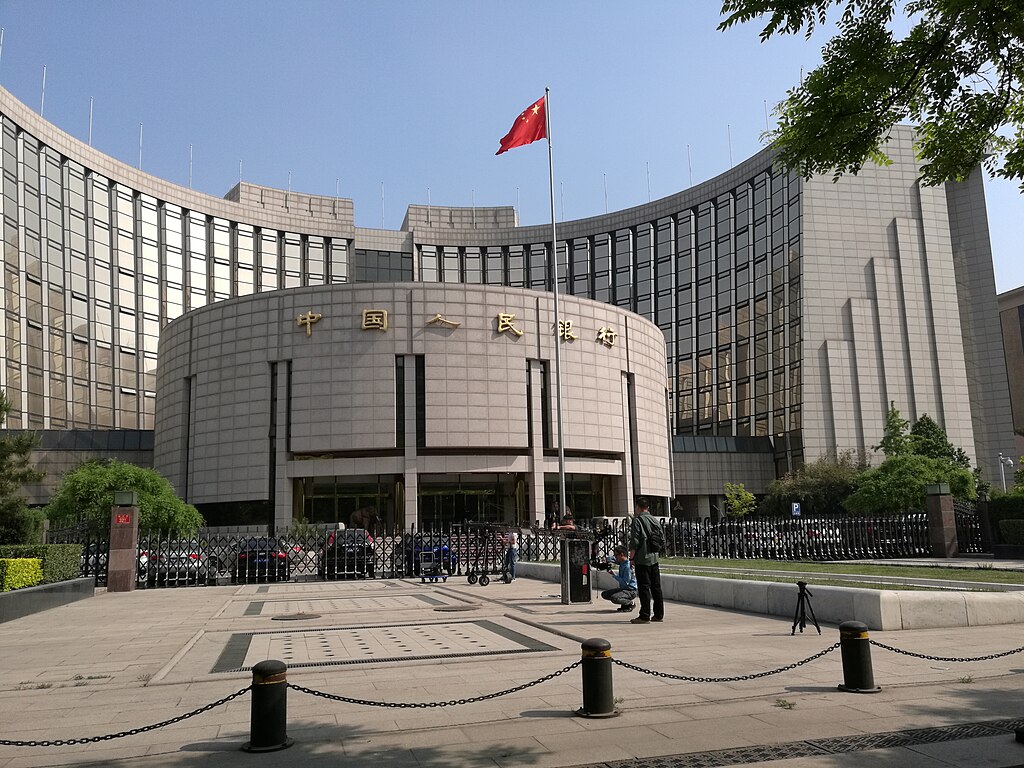
China is expected to keep its benchmark lending rates unchanged in August for the 15th consecutive month, despite fresh economic data highlighting persistent weakness in domestic demand.
A Reuters survey of 25 market participants found unanimous expectations that the People’s Bank of China (PBOC) will leave the one-year loan prime rate (LPR) at 3.00% and the five-year LPR at 3.50% at Thursday’s monthly fixing.
China’s loan prime rates, which serve as key benchmarks for corporate and household borrowing, are determined based on rate proposals submitted by 20 designated commercial banks to the PBOC each month.
Expectations for unchanged China interest rates come even as July economic indicators point to slowing momentum. Data covering industrial production, retail sales and credit growth showed continued pressure on domestic demand in the world’s second-largest economy.
Economists believe Beijing is more likely to rely on fiscal stimulus and faster government spending to support economic growth in the near term rather than introduce another round of monetary easing.
Citi analysts said the policy focus is expected to remain on fiscal measures, with few indications that the PBOC will deliver an outright LPR cut this month.
At the July Politburo meeting, Chinese leaders pledged to accelerate fiscal spending on infrastructure projects already included in the government budget. The strategy suggests Beijing is prioritizing the implementation of existing measures instead of launching a major new stimulus package.
The PBOC also said last week that it would maintain an “appropriately loose” monetary policy and introduce practical measures when necessary. However, the central bank did not explicitly signal upcoming cuts to policy interest rates or the reserve requirement ratio for banks.
Meanwhile, Chinese commercial banks received a modest boost as their net interest margin, an important gauge of banking profitability, rose by 0.01 percentage point to 1.41% in the second quarter. It was the first quarterly improvement since 2022, although margins remain near historically low levels.







