


 Pi Network Price Holds $0.087 as Protocol 28 Mainnet Upgrade Nears
  Vitalik Buterin Says Hegota Could Be Ethereum’s Last Conventional Fork
  TSMC Accelerates 2nm Expansion as AI Chip Demand Surges
  DogeOS Launches Testnet to Bring DeFi Apps to Dogecoin
  Micron Forecast Tops Estimates as AI Memory Demand Stays Strong
  CSL Partners With AWS to Bring AI Into Drug Research
  Samsung Invests $1 Billion in KKR’s Helix AI Infrastructure
  China Says U.S. Shares Responsibility for AI Governance
  OpenAI, Anthropic CEOs Summoned to Australia AI Inquiry
  Apple iPhone 18 Pro Sales Jump 12% in China
  OpenAI Seeks $30 Billion at $1.4 Trillion Valuation
  Morgan Stanley Raises TD Synnex Price Target to $359 on Strong AI Demand
  Europe’s AI Data Centre Boom Strengthens Case for Nuclear Power
  BlackRock Sees AI Agents Fueling New Crypto Demand
  OpenAI Scraps GPT-6.1 Astra Launch Over Safety Concerns
  Amazon Eyes $8 Billion Nvidia Chip Spinoff to Fund AI Expansion
  WordPress Malware Uses Ethereum to Evade Removal


 Add as a preferred source on Google
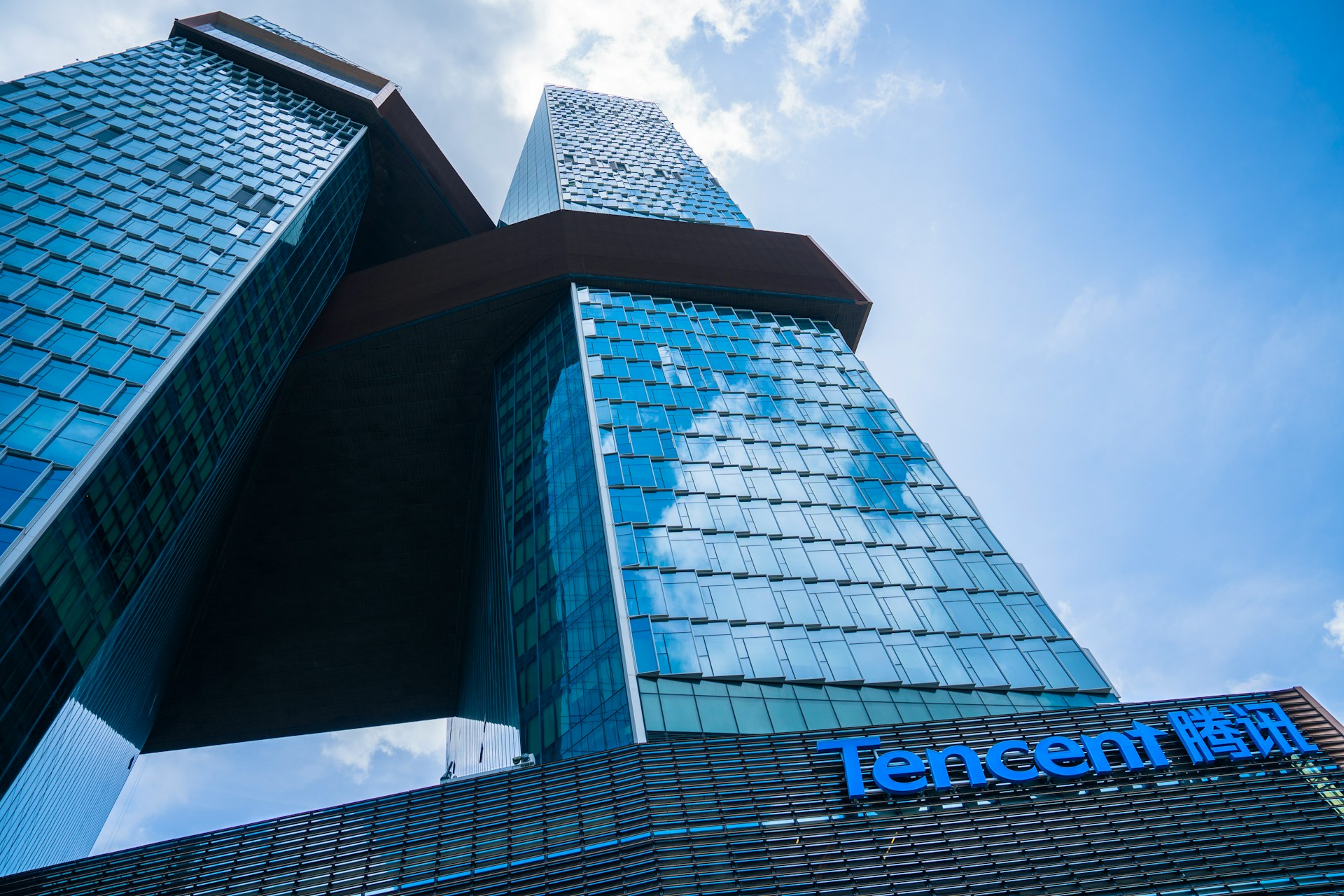
China's gaming regulator has deleted from its website guidelines it suggested last month to limit spending and prizes for playing video games, according to Reuters, in a move that lifted gaming firm stock.
China Regulator Pulls Draft Video Game Rules From Online
The link to the draft guidelines on the National Press and Publication Administration's (NPPA) website was down as of Tuesday morning, despite having functioned on Monday.
The comment period for the restrictions, which triggered market upheaval when initially announced, ended on Monday.
Analysts characterized the withdrawal as surprising, with some speculating on a future adjustment. The NPPA did not immediately reply to a request for comment on the reasons for the removal.
In a note to clients read by Reuters, Xiaoyue Hu, an analyst at Haitong Securities, said the removal of the statement might imply "there might be further changes in the new measures."
Hu stated that past regulatory initiatives seeking feedback had a track record of remaining on the government's websites even after the consultation time had finished.
In early trade, shares of Tencent Holdings (0700.HK), the world's largest gaming business, and its closest rival, NetEase (9999.HK), climbed as high as 6% and 7%, respectively. The two businesses' shares were still up more than 4% at midday, compared to a 2.4% rise in Hong Kong's Hang Seng Index (.HSI).
When the draft guidelines, which recommended limiting online game expenditure, were revealed, investors panicked, wiping off about $80 billion in market value from China's two largest gaming businesses.
China's NPPA Signals Regulatory Revisions Amid Investor Concerns
Analysts also stated at the time that the plans placed the possibility of future regulation change back to the forefront in the minds of investors, undermining confidence at a time when the government is attempting to increase private-sector investment to stimulate a sluggish economy.
However, five days later, the NPPA adopted a more conciliatory tone, stating that it would improve them by "earnestly studying" public opinion. Earlier this month, Reuters reported that China dismissed a gaming regulatory officer from his position, citing the regulations.
Articles 17 and 18 of the new rules were among the most problematic, according to experts. The NPPA expressed worry about those articles in December, and experts suggested they may be eliminated or amended.
Article 17 tries to restrict video games from pressuring players into battle, which puzzled the industry as combat is the fundamental mechanic of the bulk of modern multi-player games.
Article 18 requires games to set a spending limit for players and prohibit elements that encourage players to spend in the game.
"Our base-case view expects the government to remove Articles 17 (prohibition of mandatory player-versus-player) and 18 (imposing spending limit) from the final rule," Ivan Su, an analyst at Morningstar, told Reuters.
According to Charlie Chai, an 86Research analyst based in Shanghai, policymakers have been attempting to mitigate the impact of the new laws.
Photo: Donald Wu/Unsplash







