China’s sweeping reforms to its electricity market are rapidly transforming the economics of energy storage, driving a surge in both domestic deployment and global exports of battery technology. As international demand for power storage accelerates—fuelled by the expansion of renewable energy and energy-hungry AI data centres—Chinese energy storage manufacturers are strengthening their already dominant position worldwide.
Chinese companies are expected to record a 75% year-on-year increase in global shipments of lithium-ion battery cells used for energy storage, according to industry estimates. In the first 10 months of the year alone, China exported more than $66 billion worth of batteries for electric vehicles and energy storage, making batteries the country’s most valuable clean-technology export for the third consecutive year. This growth reflects booming demand from Europe’s ageing power grid, the rapid build-out of renewables in the Middle East, and soaring electricity needs from data centres across the United States and Asia.
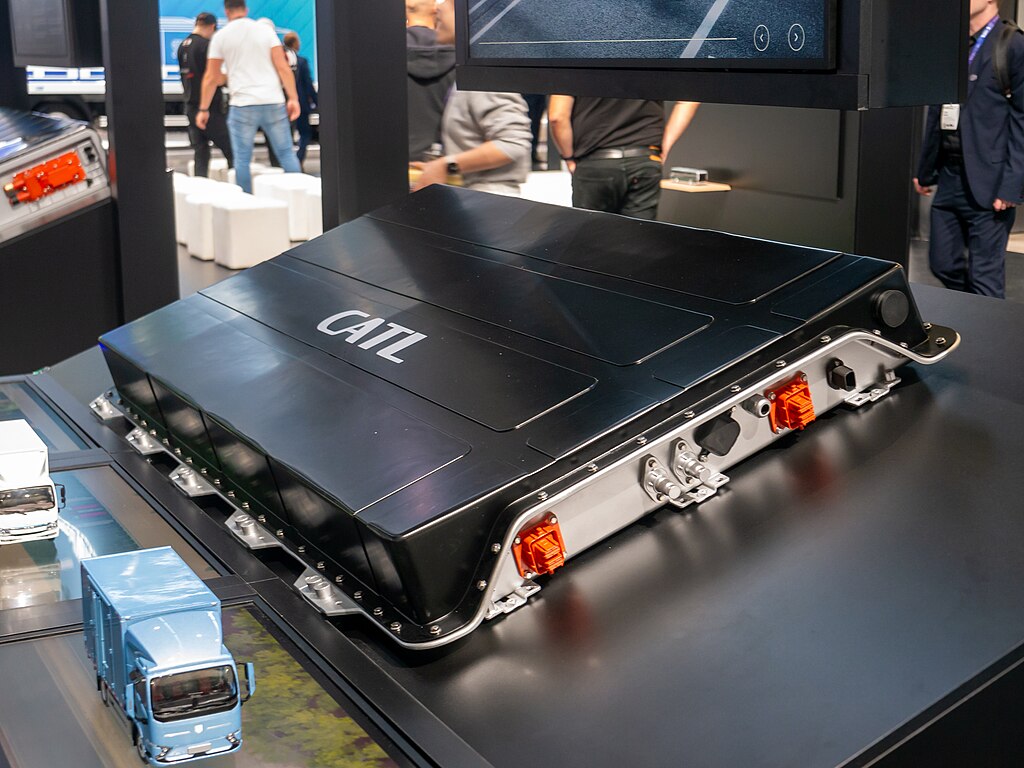
Globally, Chinese manufacturers control the supply of battery cells that underpin energy storage systems. All six of the world’s largest energy storage cell suppliers—including CATL, BYD, EVE Energy, and CALB—are based in China, with only Japan’s AESC breaking into the global top 10. Several firms have reported record shipment volumes in 2024, while analysts say many factories are operating at full capacity to meet demand.
Domestically, China’s electricity market overhaul is a key catalyst. Reforms introduced in June replaced fixed power prices with market-based auctions, allowing battery storage operators to profit by charging during low-price periods and discharging when prices spike. As a result, battery storage facilities are running longer and becoming economically viable after years of underutilisation. This shift is reinforced by a $35 billion government plan to nearly double national battery storage capacity by 2027, alongside new provincial subsidies and capacity payments.
With global investment in battery storage forecast to reach $66 billion this year and installations continuing to rise, Chinese energy storage manufacturers are well positioned to capture a significant share of future growth, despite potential regulatory risks in overseas markets.