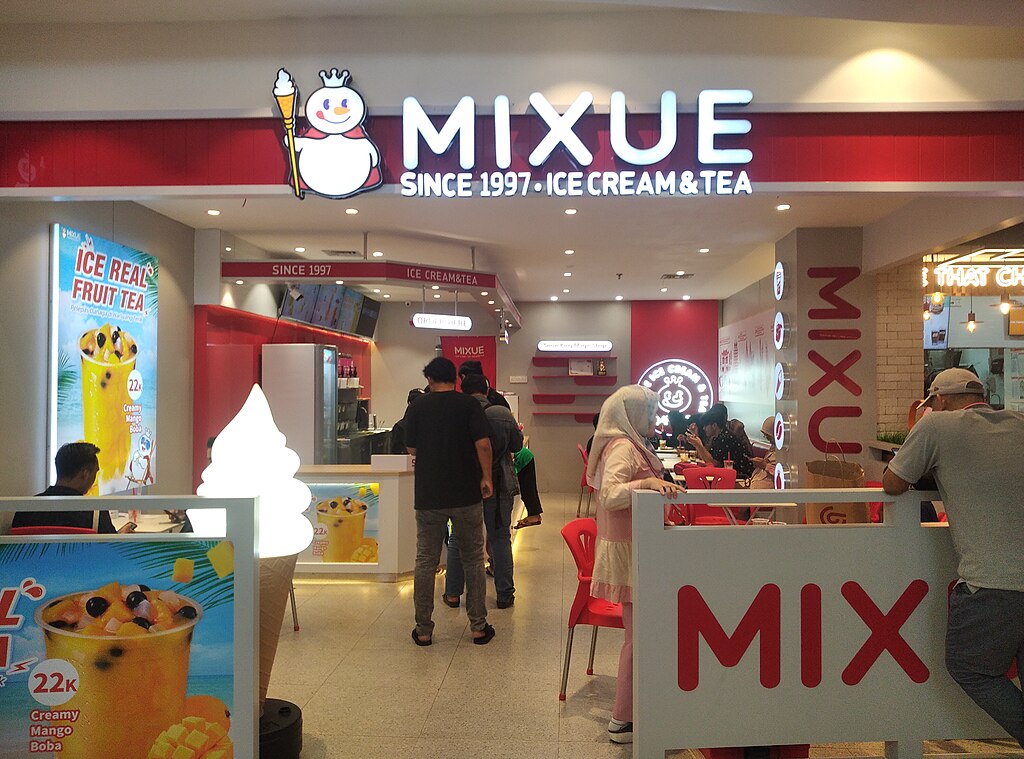
Chinese businesses are making bold moves into Brazil, marking a significant shift in how China is expanding its global footprint. Leading the charge is Mixue, the ice cream and beverage giant that already operates more locations worldwide than Starbucks or McDonald's. The brand recently opened its first Brazilian store in São Paulo, with ambitious plans to launch between 500 and 1,000 locations across the country by 2030, backed by roughly $590 million in investment.
This retail push reflects a broader wave of Chinese capital flowing into South America's largest economy. Chinese direct investment in Brazil doubled to $4.2 billion in 2024, spanning 39 projects and making Brazil the world's third-largest destination for Chinese investment. What's different this time is the focus — rather than large-scale infrastructure, Chinese companies are now targeting everyday Brazilian consumers.
Electric vehicle manufacturers BYD and GWM have both acquired former Western-owned factories in Brazil and are retooling them for EV and hybrid production. Tech giant Huawei recently opened its first physical retail store in São Paulo, while food delivery newcomer Meituan is investing $1 billion to compete against established platforms like iFood and Rappi. E-commerce players AliExpress and Shein have already built loyal customer bases among Brazilian shoppers drawn to competitive pricing and product quality.
Several factors are fueling this momentum. Geopolitical tensions have redirected Chinese investment away from the United States, while Brazil's government under President Lula has actively welcomed Chinese partnerships across sectors including healthcare, technology, and manufacturing. Brazilian consumers, for their part, have grown increasingly receptive to Chinese brands, citing strong value for money, modern design, and reliable delivery.
As trade barriers rise in Western markets, Brazil is emerging as a key growth frontier for Chinese companies looking to diversify their global reach.