


 Trump Peace Envoys Meet Zelenskiy in Kyiv After Putin Talks
  Iran Plans New Gulf Restricted Zone as Hormuz Tensions Push Oil Higher
  Trump Grants Clemency to Jay-Z Associate Emory Jones
  Moderna Short Sellers Hit With $4.8 Billion Loss as Stock Soars
  Iran Allows Iraqi Oil Tankers Through Strait of Hormuz
  Sara Duterte Posts Bail Over Grave Threats Case
  Russia Eyes Putin-Trump-Xi Trilateral Meeting at China APEC Summit
  Israeli Strikes Kill Four in Gaza, Including Two Children
  GLP-1 Weight-Loss Drug Use Surges Among U.S. Children
  Alcohol is one of the most dangerous drugs, yet its presence is ubiquitous in social settings and celebrations
  AfD Eyes Historic Win in Saxony-Anhalt Election
  SEC Proposes ‘Regulation Crypto Assets’ Framework for Crypto Fundraising
  New Zealand Labour Backs Social Media Ban for Under-16s
  U.S. Issues Cuba Health Alert as Illnesses Rise
  FAA to Pause Reagan National Airport Flights for Freedom 250 IndyCar Race
  Moderna Wins FDA Approval for mFLUSIVA mRNA Flu Vaccine for Adults 50+
  SEC Sues Former Tricolor Executives Over $1.9 Billion Investor Fraud Scheme


 Add as a preferred source on Google
The United States has announced stricter measures to prevent Ebola cases from entering the country as the deadly outbreak in the Democratic Republic of Congo (DRC) continues to worsen. The World Health Organization (WHO) has classified the outbreak as a public health emergency of international concern, with more than 900 reported cases and approximately 220 suspected deaths linked to the rare Bundibugyo strain of Ebola.
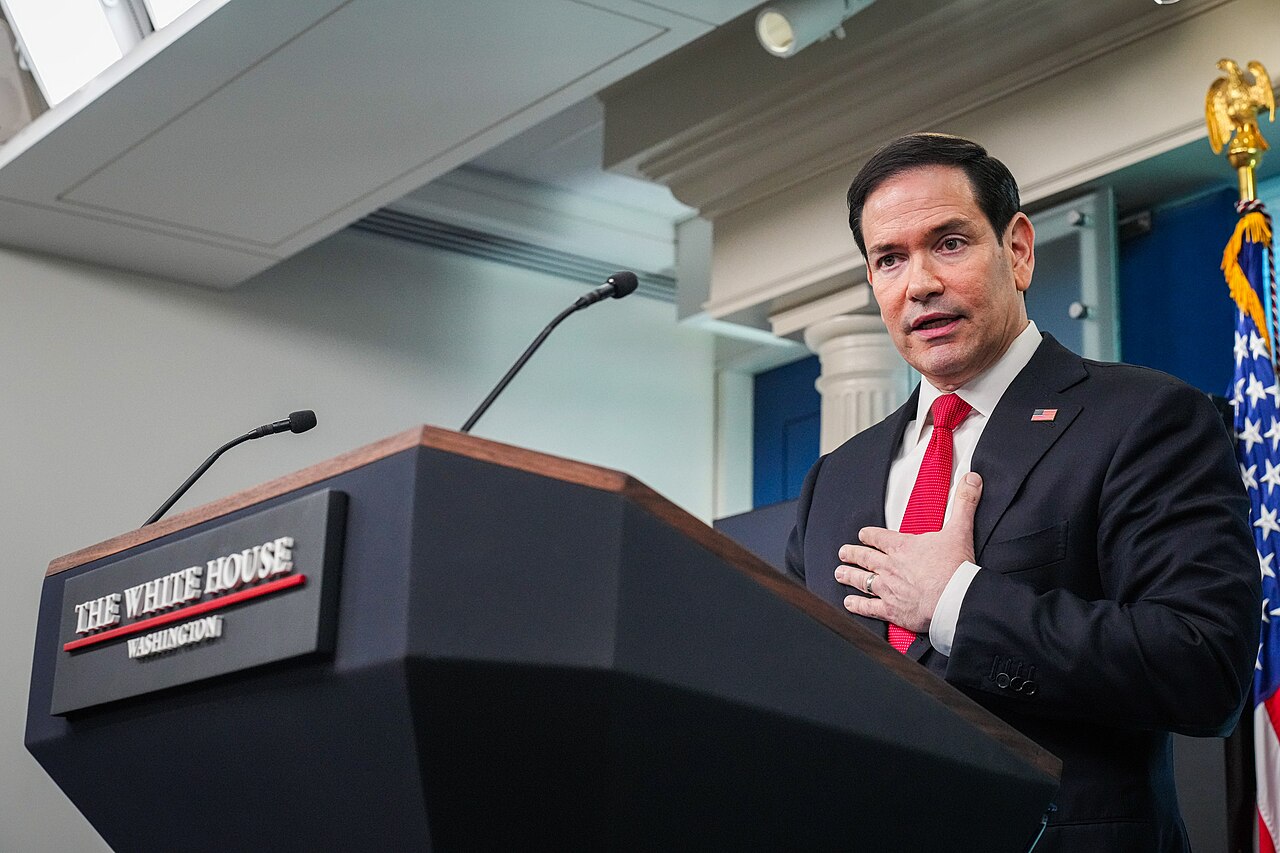
Speaking during President Donald Trump’s cabinet meeting on Wednesday, Secretary of State Marco Rubio stated that the U.S. government is determined to stop Ebola from spreading beyond Central Africa. Rubio emphasized that the administration would not allow infected individuals to enter the United States under any circumstances.
The current U.S. strategy differs significantly from the response during the 2014 Ebola outbreak, when infected Americans were treated in specialized infectious disease centers across the country. Instead, officials are now considering establishing a quarantine facility in Kenya for U.S. citizens exposed to the virus. According to Reuters, discussions with the Kenyan government are ongoing, though no final approval has been granted.
Health experts have questioned the effectiveness of creating a new treatment facility abroad. Amesh Adalja, a senior scholar at Johns Hopkins Center for Health Security, argued that existing high-containment medical centers in the United States and Germany are better equipped to handle Ebola patients safely and efficiently.
The debate intensified after a U.S. medical missionary contracted Ebola while treating patients in the DRC. The individual was transferred to Germany for treatment, while several others exposed to the virus were evacuated to Europe. Reports also suggest the White House resisted allowing the patient to return to the United States.
Meanwhile, the CDC has introduced 30-day entry restrictions for travelers who recently visited the DRC, Uganda, or South Sudan. U.S. authorities are also conducting health screenings at selected airports as part of broader efforts to contain the Ebola outbreak and prevent further international spread.







