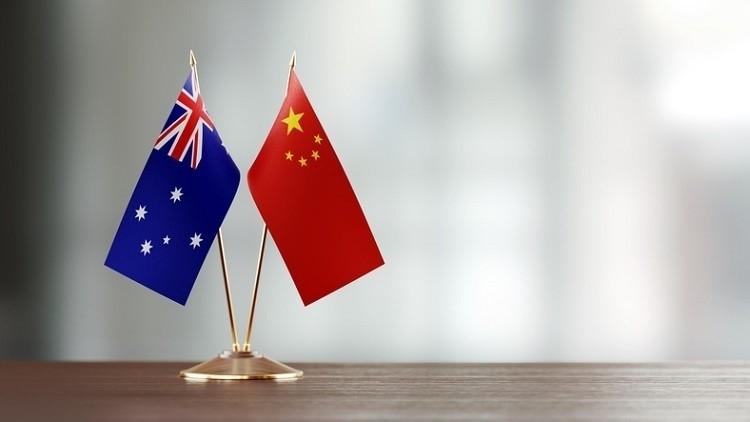
Chinese investment in Australia declined 61 percent to just over $780 million in 2020 amid a diplomatic rift.
There were only 20 Chinese investments made in 2020, way below the 111 recorded in 2016.
Last year's decline was preceded by a 47 percent drop from 2019 when the Chinese invested $1.57 billion in Australia.
Dr. Shiro Armstrong, director of the East Asian Bureau of Economic Research, noted that China's investment in Australia dropped faster than global foreign investment last year, which fell 42 percent.
After investing across all sectors of Australia's economy in recent years, Chinese firms only bought into real estate with $357 million, mining with $321 million, and manufacturing with $119 million.
The drop in Chinese investments is partly due to Australia's investment settings during the Covid-19 pandemic when every proposed investment was scrutinized by Australia's Foreign Investment Review Board (FIRB).
Previously, only investments worth $930 million or $213 million for investors from countries without a free trade agreement with Australia, were reviewed by the FIRB.
The purpose of the review, which lasts from 30 days to six months, was to prevent distressed Australian assets from being acquired by foreign groups. However, it also delayed investments as the FIRB dealt with a backlog.
The Australian government also added a national security test to its foreign investment laws in July and allowed the treasurer to cancel deals retrospectively.
In August, Treasurer Josh Frydenberg stopped the deal selling Lion Dairy and Drinks, Kirin's wholly-owned Australian subsidiary, to China Mengniu Dairy for $600 million. Trade ties between Australia and China were strained since the former called for a rigorous investigation into the origins of the Covid-19 pandemic in April.
China has since imposed tariffs or trading restrictions on Australian products, such as wine, lobster, beef, and barley. The tensions also impacted coal.
However, China's demand for Australian iron ore put the trade balance between the two countries on a six-month high in December.