The U.S. dollar remained close to recent highs on Tuesday as global markets braced for a critical deadline set by President Donald Trump, demanding Iran reopen the Strait of Hormuz to international shipping or face military strikes on its infrastructure. The standoff has rattled financial markets worldwide, sending energy prices surging and driving investors toward the dollar as a reliable safe-haven currency.
The ongoing Middle East conflict, combined with the potential closure of the strategically vital Persian Gulf chokepoint, has reinforced bullish sentiment around the greenback — particularly across Asian markets. Despite cautious optimism over the Easter holiday period that a diplomatic breakthrough might ease tensions, few traders were willing to sell dollars ahead of Trump's 8 p.m. Eastern Time deadline. The president warned Monday that Iran could be neutralized "in one night," pledging to target Iranian power plants and bridges if demands were not met.
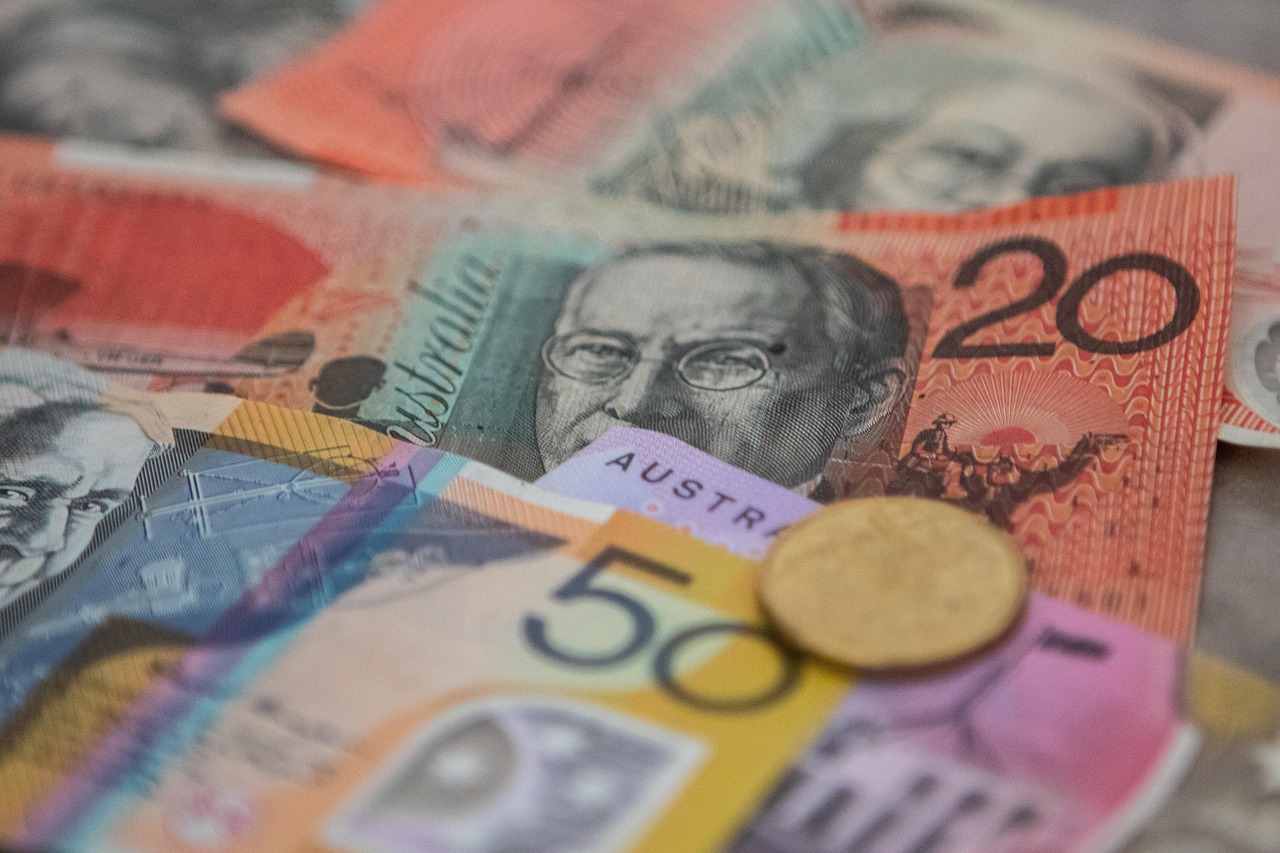
Currency markets reflected the uncertainty. The Japanese yen weakened to 159.79 per dollar, approaching multi-decade lows last seen during 2024 interventions. The euro traded at $1.1533 and the British pound at $1.3227, both hovering near multi-month lows recorded in late March. Meanwhile, the Australian and New Zealand dollars recovered slightly from sharp recent losses but remained soft at $0.6917 and $0.57 respectively. The South Korean won stayed weak beyond the 1,500 level — a threshold only breached during the crises of 1997 and 2009 — while Indonesia's rupiah fell to a record low.
Iran and Israel exchanged strikes throughout Tuesday, with Israel confirming a wave of airstrikes on Iranian government infrastructure while missile defenses activated across Israel and Saudi Arabia. Analysts at Commonwealth Bank of Australia cautioned that even if the U.S. steps back from the conflict, the Strait of Hormuz may remain closed, continuing to pressure global trade and currency markets.