


 Trump Calls for Zelenskyy Replacement Amid Russian Diesel Deal
  Yandex Data Center Hit by Drone Strike as Russia-Ukraine Cyber Infrastructure Attacks Escalate
  North Korea Fires Ballistic Missiles as Tensions With South Korea Escalate
  Houthis Warn Saudi Airports After Deadly Riyadh Attack
  India Voter List Protests Reach Supreme Court as Opposition Demands Election Chief's Resignation
  Trump Announces Russia-Ukraine Energy Ceasefire Amid U.S. Pressure on Kyiv
  Russian Strikes Kill Six in Ukraine, Including Three in Kharkiv
  Zelenskiy Offers Russia Energy Truce Amid Trump Pressure
  Elon Musk Donates $366 Million to 2026 US Midterms
  Trump Plans White House Shake-Up of Key AI Safety Agency
  Jordan Bardella Antisemitism Allegations Threaten Le Pen’s Campaign
  US Judge Blocks Trump Administration’s Taxpayer-Funded Political Ads
  Trump Denies Russia and China Are Helping Iran in U.S. Conflict
  Brazil Election: Lula and Bolsonaro Rally Ahead of October 25 Runoff
  Most Americans Oppose Election Betting on Prediction Markets, Poll Finds
  US Authorities Raid Ilhan Omar’s Home Amid Immigration Fraud Probe


 Add as a preferred source on Google
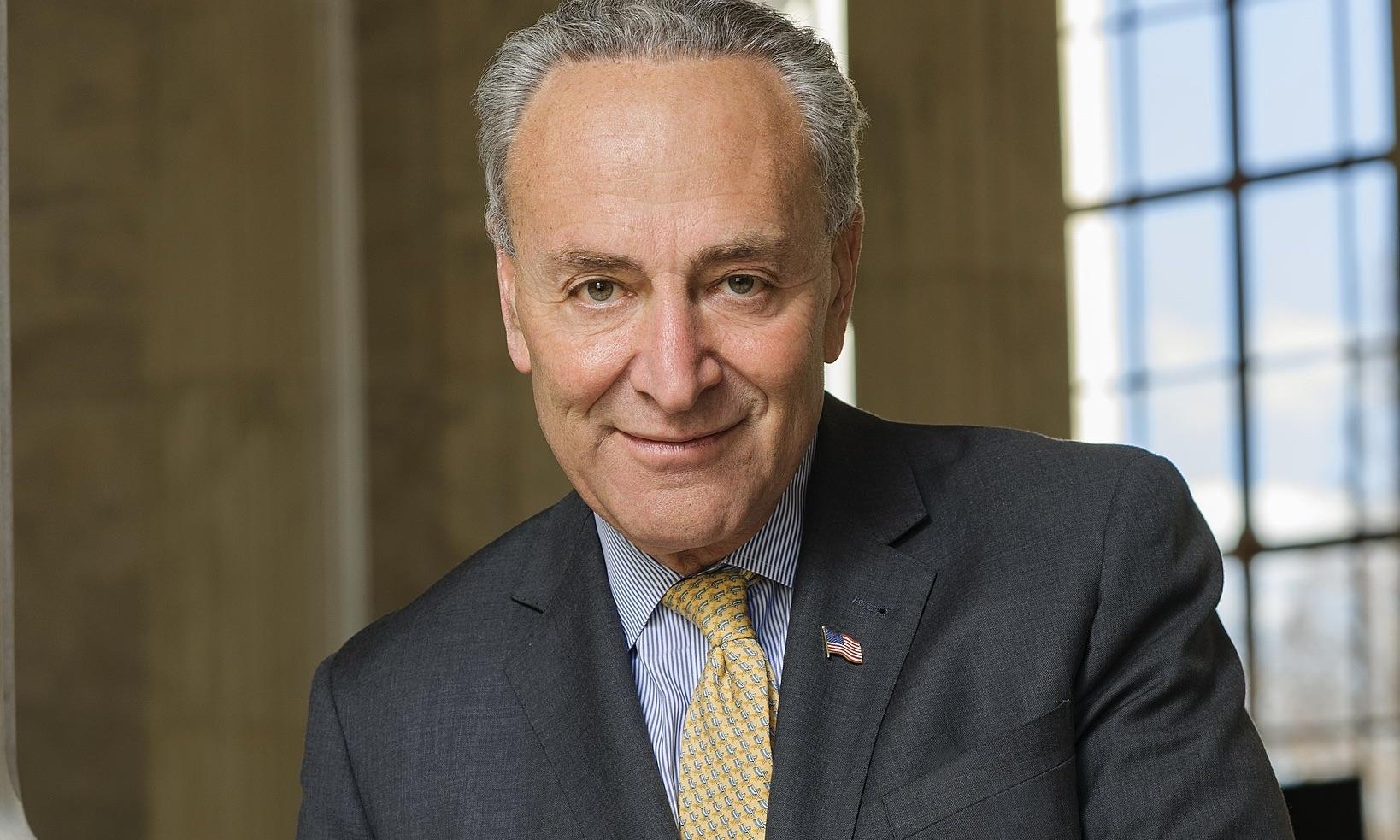
Senate Majority Leader Chuck Schumer remains a dominant force in U.S. politics as 2024 approaches, with his leadership shaping key legislative battles and party strategy. With a long tenure in public service, Schumer is a central figure within the Democratic Party and holds one of the most powerful positions in the federal government. Here’s a deeper look at his age, family, net worth, and political career as he heads into a pivotal period for both his party and the country.
At 73 years old in 2024, Schumer has spent more than four decades in public office. Born on November 23, 1950, in Brooklyn, New York, Schumer has built his career representing the Empire State, beginning with his election to the New York State Assembly in 1974. Since then, he has climbed the political ranks to become one of the most influential lawmakers in Washington, D.C.
Schumer comes from a close-knit family. He is married to Iris Weinshall, who has served as the Chief Operating Officer of the New York Public Library and is the former Commissioner of the New York City Department of Transportation. The couple has two daughters, Jessica and Alison Schumer, both of whom have followed their parents into public service and activism, with Alison working for Facebook and Jessica serving as a policy advocate. Schumer’s family has been a steady presence throughout his career, often appearing at public events in support of his work.
Financially, Schumer’s net worth has been estimated at approximately $900,000 to $1.5 million, relatively modest compared to other long-serving lawmakers. His income is primarily derived from his salary as a U.S. senator, with some investments and other assets contributing to his net worth. Unlike many politicians, Schumer has kept his wealth largely tied to his public service, avoiding significant business ventures or large personal financial gains from the private sector.
Schumer’s political career spans over four decades, beginning with his election to the New York State Assembly, followed by his service in the U.S. House of Representatives from 1981 to 1999. Schumer was then elected to the U.S. Senate, where he has served since 1999, representing New York. His rise to prominence accelerated as he became the Senate Democratic Leader in 2017, taking over for former Nevada Senator Harry Reid. Schumer currently serves as Senate Majority Leader, a position he has held since 2021.
Throughout his career, Schumer has been a driving force behind key pieces of legislation, focusing on issues such as healthcare, immigration reform, gun control, and economic policy. Under his leadership, the Senate passed significant COVID-19 relief packages, infrastructure legislation, and measures to address climate change. Schumer’s ability to navigate the often-contentious political landscape of the Senate has earned him a reputation as a skilled negotiator and strategist, often working to bridge divides within his own party as well as across the aisle.
Looking ahead to 2024, Schumer’s role will be critical as Democrats seek to maintain their majority in the Senate and push through legislative priorities in the face of fierce Republican opposition. His experience and influence will continue to shape the direction of the Democratic Party and its legislative agenda, particularly as the party grapples with internal divisions and prepares for another high-stakes election cycle.







