


 Greenland Lawmakers Back Trump Security Deal Despite Economic Concerns
  Djibouti Migrant Boat Capsizes, Killing 139 and Leaving 84 Missing
  North Korea Fires Ballistic Missiles Amid Rising Tensions With South Korea
  Zelenskiy Seeks New US Talks to Revive Ukraine-Russia Peace Negotiations
  Elon Musk Donates $366 Million to 2026 US Midterms
  NATO Commander Warns Russia of Devastating Response to Attack
  Panama Declares Emergency After 7.7 Earthquake Triggers 200 Aftershocks
  Brazil Election: Lula and Bolsonaro Rally Ahead of October 25 Runoff
  Zelenskiy Says Ukraine Received No Warning Before Russian Missile Attack
  Kim Jong Un Showcases ICBM Ahead of Possible Trump Meeting
  Trump Plans White House Shake-Up of Key AI Safety Agency
  European Auto Stocks Rise as EU-China Trade Deal Targets Hybrid Imports
  Trump Denies Russia and China Are Helping Iran in U.S. Conflict
  US Condemns China Sanctions on Taiwan Allies Belize and Paraguay
  Most Americans Oppose Election Betting on Prediction Markets, Poll Finds
  US Supreme Court Denies Release of Anti-ICE Activist Kyle Wagner
  Trump Warns Houthis Over Attacks, Considers Erdogan Intervention


 Add as a preferred source on Google
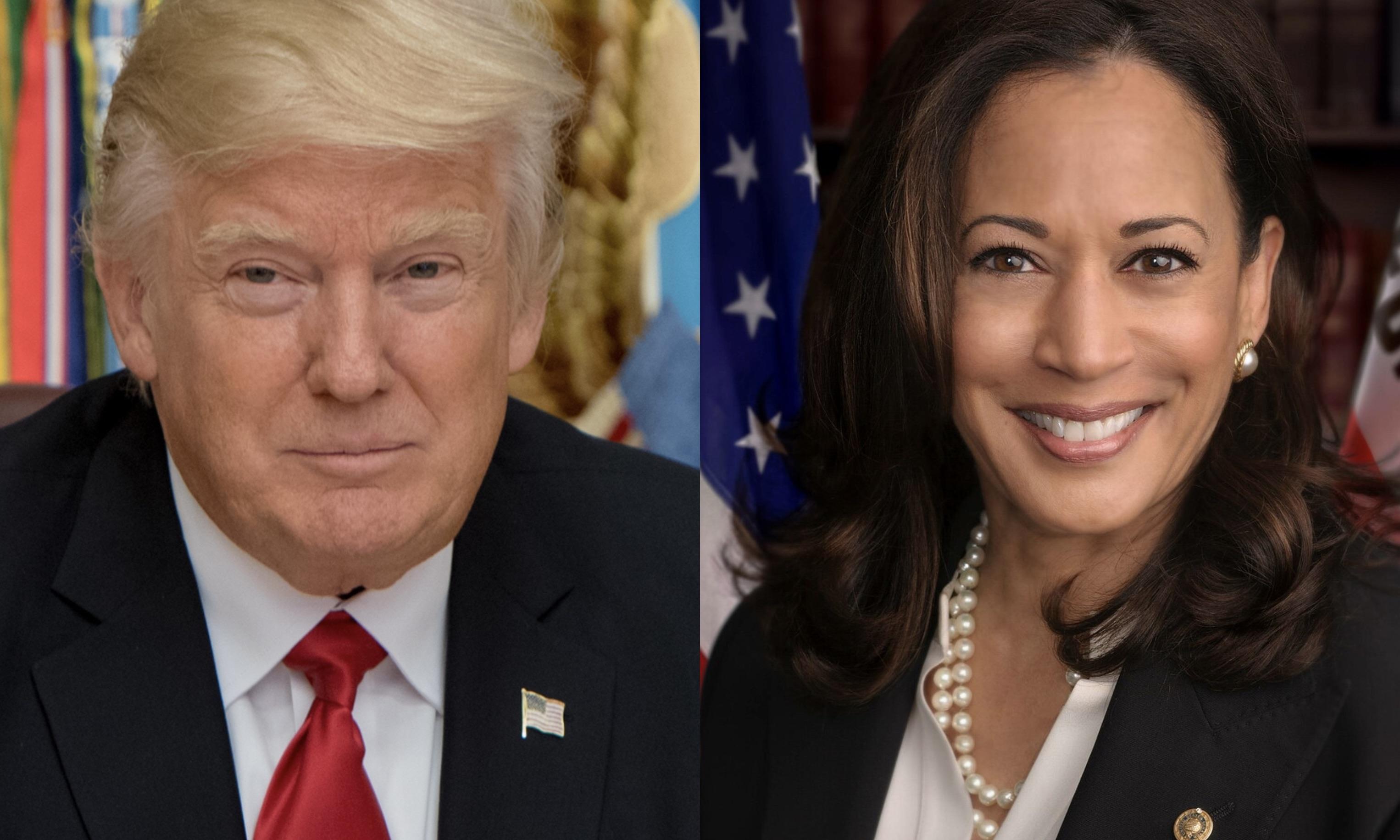
With the 2024 presidential election fast approaching, the question of which candidate Muslim voters will support is becoming increasingly significant. Both Donald Trump and Kamala Harris represent starkly different political ideologies, and the Muslim electorate, though diverse in itself, is weighing policy priorities that reflect its unique concerns. Muslim voters are grappling with key issues such as civil rights, immigration, and foreign policy, which are central to the decision between the two candidates.
Donald Trump, who polarized many communities during his presidency, has historically faced resistance from Muslim voters. His controversial travel bans targeting several Muslim-majority countries, introduced during his first term, sparked widespread outrage and protests. These actions contributed to a strained relationship between Trump and many within the Muslim community. However, Trump’s conservative policies on taxes, business regulations, and national security continue to appeal to a segment of Muslim voters, particularly those who prioritize economic opportunities and are wary of global terrorism.
On the other hand, Kamala Harris has taken a different approach. As vice president, she has aligned herself with progressive values that focus on civil liberties, social justice, and inclusivity. Harris’s stance on religious freedom, racial equality, and immigration reform has resonated with many Muslim voters who see these issues as crucial to protecting their rights and ensuring greater representation. Harris has also been a vocal advocate for diversity, which is seen as a positive attribute by those seeking to see more Muslim voices represented in government.
Despite Harris’s progressive stance, some Muslim voters remain skeptical about certain aspects of her record, particularly regarding foreign policy. Her support for U.S. military actions in the Middle East and her perceived closeness to Israel may be points of contention for those in the Muslim community who are concerned about America’s role in the region. Nonetheless, her outreach to minority communities and her commitment to addressing Islamophobia domestically have made her a more appealing candidate to many Muslim voters compared to Trump.
Muslim voters, a growing electoral bloc in the United States, are increasingly diverse, with varied political leanings. Some are drawn to Trump’s focus on law and order and his economic policies, which they believe foster a more business-friendly environment. Others are more aligned with Harris’s progressive values, especially on social issues, civil rights, and immigration reform. The split reflects the internal diversity of the Muslim community, which spans different ethnicities, cultures, and political ideologies.
As the 2024 election approaches, both candidates will need to address the concerns of Muslim voters if they hope to secure this important voting bloc. Trump’s challenge will be overcoming the negative perceptions stemming from his previous policies, while Harris must bridge the gap between her progressive domestic agenda and foreign policy decisions that remain controversial among some Muslim voters.







