


 Elon Musk Donates $366 Million to 2026 US Midterms
  Samsung, SK Hynix Shares Plunge as China Chip Competition Grows
  Meta Launches Muse Wonder AI Models, Shares Rise 3.7%
  European Auto Stocks Rise as EU-China Trade Deal Targets Hybrid Imports
  GesiaPlatform Launches Carbon-Neutral Lifestyle App ‘Net Zero Heroes’
  IMF Maintains 2027 Global Growth Forecast at 3.4% Amid Rising Risks
  US Dollar Rises for Fourth Week as Fed Rate Hike Bets Grow
  Nvidia’s China AI Chip Market Share Falls to 34% as Huawei Gains Ground
  Ukraine minerals deal: the idea that natural resource extraction can build peace has been around for decades
  Hong Kong’s Second Solana ETF Launches With Lower Fees
  Wildfires ignite infection risks, by weakening the body’s immune defences and spreading bugs in smoke
  Swimming in the sweet spot: how marine animals save energy on long journeys
  Ripple Mints 19.6 Million RLUSD Amid Banking Expansion
  Gold Prices Rise Above $4,200 as Russia-Ukraine Energy Truce Eases Oil Concerns
  Samsung, SK Hynix Shares Fall as China's CXMT Advances DRAM Technology
  Oil Prices Fall as Trump Ceasefire Claim Shifts Market Focus to U.S. CPI


 Add as a preferred source on Google
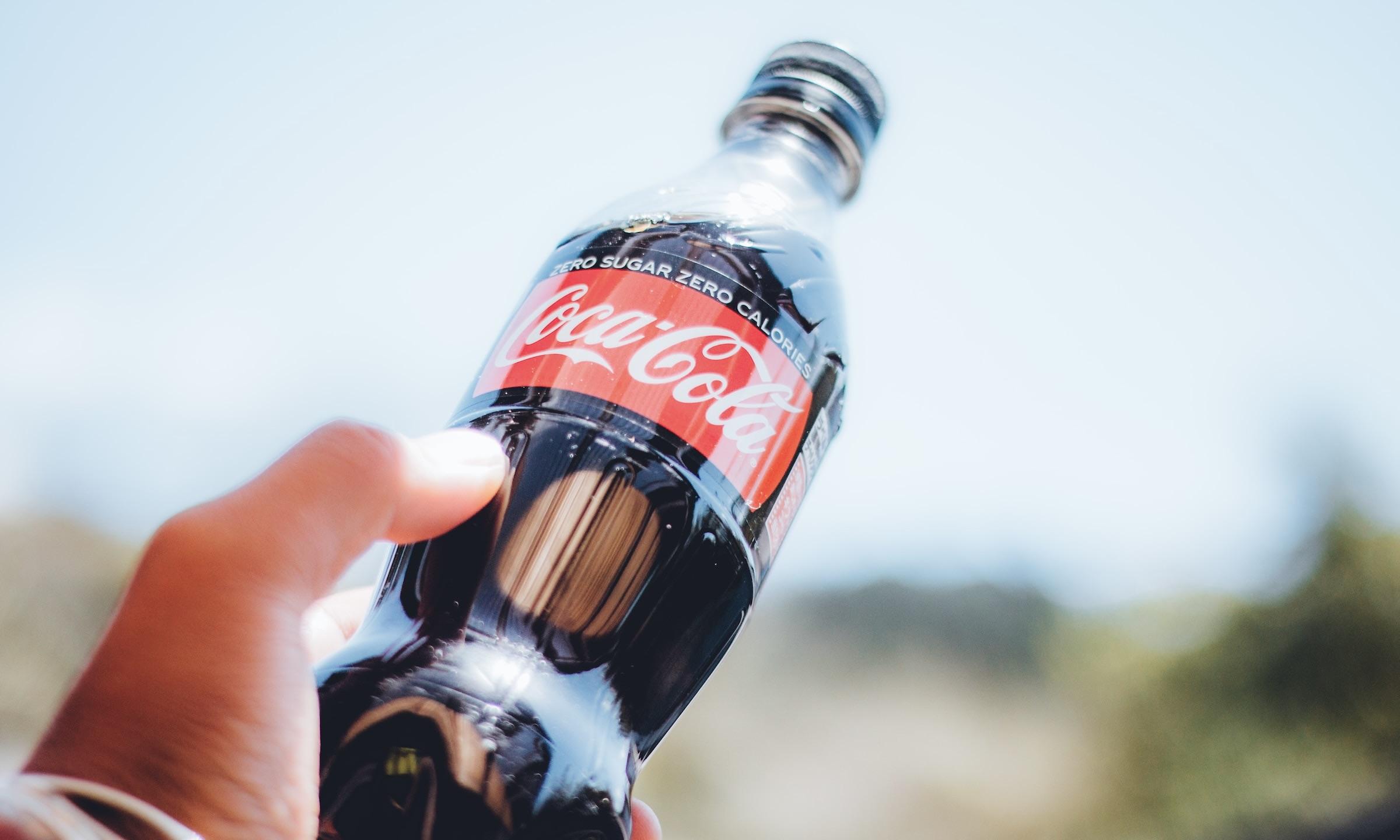
In a pioneering environmental move, Coca-Cola Indonesia has launched its new packaging, composed entirely of recycled PET (rPET) plastic, excluding lids and labels. This groundbreaking initiative, marking a first in the country, signifies the company's commitment to a closed-loop circular economy and its World Without Waste vision.
Julio Lopez, president and director of Coca-Cola Indonesia, says that incorporating used bottles in their packaging has economic value as they can be repurposed repeatedly, signaling the company's commitment to a closed-loop circular economy. The "closed loop" circular economy model is one of the pillars of the company's vision of a World Without Waste, where they aim to use at least 50 percent recycled plastic in its packaging by 2030.
To support the collection of used bottles for recycling, Coca-Cola Indonesia collaborates with Amandani Bumi Nusantara of Bekasi Regency, West Java, and Mahija Parahita Nusantara, a nonprofit social foundation founded by the same two organizations.
With a focus on social enterprises and community support, the foundation provides raw materials for recycling facilities. It empowers informal scavenger communities with stable jobs and access to social services, thereby ensuring sustainable economic development.
To commemorate this launch, Coca-Cola Indonesia held a two-day event at Piazza, Gandaria City Mall, featuring activities designed to inspire public action toward a circular economy and sustainable living. To bring more awareness, the company incentivized those who brought 10 or more used plastic bottles from various Coca-Cola Indonesia products to exchange them for #JagaIndonesia Concert tickets, collecting more than 6,000 bottles by the second day.
Meanwhile, Coca-Cola India just achieved a significant milestone - they launched a first-of-its-kind 100% recycled Polyethylene Terephthalate (rPET) bottle for their bottled water brand, Kinley. It's a major step towards creating a circular economy and achieving Coca-Cola's global goal of using at least 50% recycled material in all packaging by 2030.
Currently, 90% of the company's packaging is recyclable, and 15% of PET used is recycled globally. The launch of the rPET bottle made it possible to use recycled plastic in food packaging, and this was made feasible after thorough review and approval by the Food Safety Standards Authority of India (FSSAI).
This revolutionary bottle is readily available in one-liter size as Coca-Cola continues in its efforts to create a more sustainable future.
Photo: Koukichi Takahashi/Unsplash







