


 Gold Prices Hit One-Week High as Oil Falls, Fed Rate Outlook Weighed
  Oil Prices Rise as Hormuz Risks Offset IEA Stock Release
  Morgan Stanley Raises Coinbase Stock Price Target to $258 Ahead of Earnings
  US Suspends Microsoft, Adobe From Green Card Program
  Iran Refuses to Halt Uranium Enrichment Amid US Nuclear Demands
  Starbucks Explores Chipotle Acquisition as Shares Swing
  Asian Stocks Mixed as OpenAI Revenue Concerns Hit Chipmakers
  RBI Raises Repo Rate to 5.50% in Hawkish Shift on Inflation Risks
  Blockchain.com Seeks CFTC Approval for Prediction Markets and Crypto Derivatives
  Gold Prices Rise as Hormuz Tensions Fuel Inflation Risks
  Oil Prices Slip as Trump Rules Out Iran Strike Before Midterms
  Asian Currencies Mixed as Yen Weakens, Dollar Holds Firm
  Ledger Investigates Alleged $86 Million Crypto Wallet Theft
  US Stock Futures Flat as Fed Minutes, Earnings Loom
  Robinhood Chain Eyes Priority Gas Auctions for Faster Trades
  Gold Prices Fall as Fed Signals Another Rate Hike
  Zcash Plans Quantum-Resistant Security Upgrade for January


 Add as a preferred source on Google
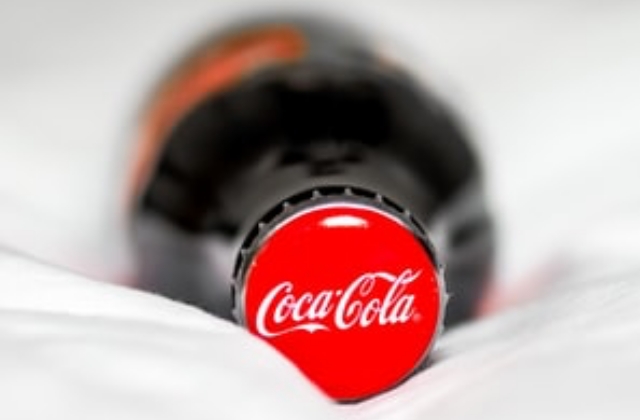
Coke products are reportedly banned by Republican state officials in Georgia. The legislators were said to have requested the removal of Coca-Cola products from their offices.
Why Coke was banned
As per Fox Business, several officials made the move after Coca-Cola’s chief executive officer James Quincey released a statement saying the company is disappointed with the results of Georgia’s voting legislation.
"Voting is a foundational right in America, and we have long championed efforts to make it easier to vote," the Coke chief said. "We want to be crystal clear and state unambiguously that we are disappointed in the outcome of the Georgia voting legislation.
His statements were seen by the officials as criticizing the state’s new elections law, and this made them sign a letter to request for the pull-out of all Coke items in their offices. The legislators addressed the letter to Kevin Perry, president, and CEO of the Georgia Beverage Association, and it was sent on Saturday, April 3.
"We respectfully request all Coca-Cola products be removed from our office suite immediately," eight GOP legislators said in the letter that was shared by AJC political reporter Greg Bluestein. “Should Coke choose to read the bill, share its true intentions and accept their role in the dissemination of mistruths, we would welcome a conversation to rebuild a working relationship.”
Based on the letter, it was suggested that the company was also accused of making "conscious decisions to perpetuate a national dialogue which seeks to intentionally mislead the citizens of Georgia and deepen a divide in our great state."
The new voting law in Georgia
The legislation added new restrictions when voting through the mail. They have added voter ID requirements and limited the number of ballot drop boxes.
Additionally, the new voting law gives a directive to have two Saturdays for the early voting period ahead of elections. Based on the rule, handing out food and water to people lining up to vote will now be prohibited.
The State Election Board can now suspend and even remove up to four local election administrators at once and appoint temporary replacements. Finally, counties will no longer be allowed to accept outside fundings for election administration.







