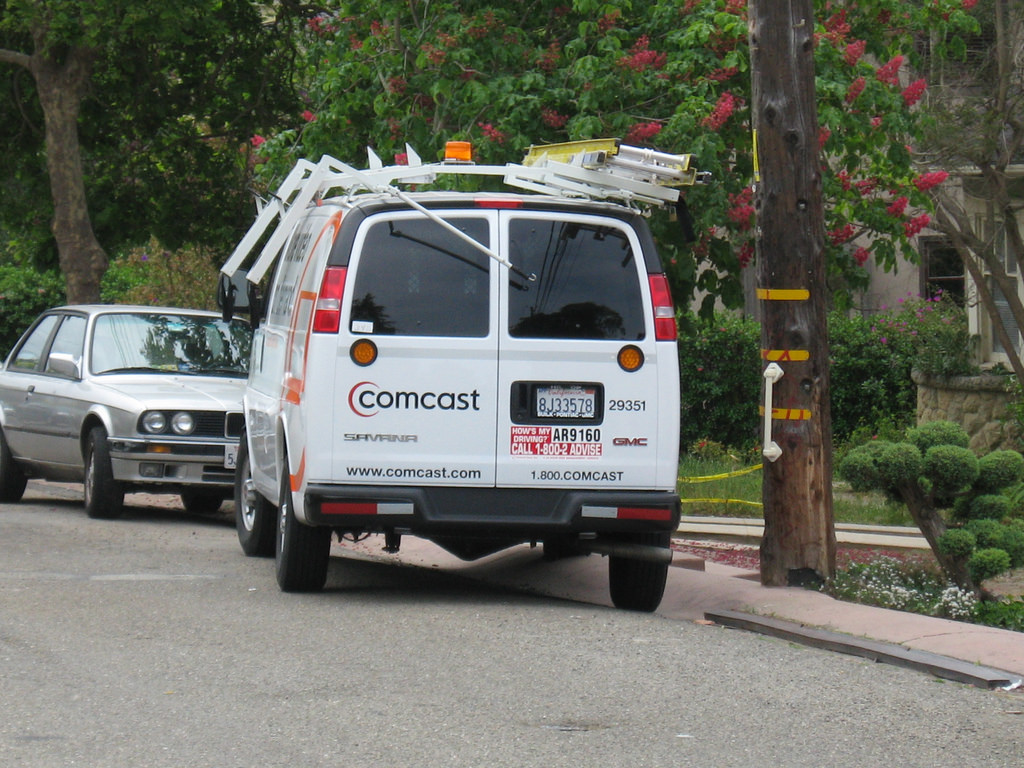
A recent report by the website Ars Technica revealed that Comcast might be planning on offering internet fast lane services that would allow tech companies to have faster speeds for a price. The internet service provider (ISP) has since responded to the report, saying that this is simply not the case. It seems Federal Communications Commission (FCC) chair Ajit Pai is also committed to taking ISPs at their word, ignoring throttling incidents that occurred in the past.
In the article by Ars Technica, the publication points to the change in the wording that Comcast used when saying that it would not "discriminate against lawful content" nor would it implement "anti-competitive paid prioritization." The site noted how this would effectively allow Comcast to decide which party it would offer fast lane services to.
A spokesperson from Comcast provided CNET a response to the report with a biting denial. The company is still insisting that fast lanes would not be part of its business practices.
"Comcast hasn't entered into any paid prioritization agreements. Period," the spokesperson said. "And we have no plans to do so."
This is a rather pointed rejection of the report, but it doesn’t do much to allay the fears of users. The FCC’s apparent preference of ISPs over consumers is not helping either, with Pai previously arguing that fast lanes would be good for users and that past throttling practices were stopped by consumer outrage anyway.
In another Ars Technica report, the publication notes how Pai is using the absence of concrete evidence that ISPs would abuse their positions by throttling internet speeds or offering fast lanes to push his agenda forward. The site pointed out that Net Neutrality violations were only stopped because the Obama-era FCC was there to protect consumers and public outrage still had the power to oppose major carriers.
Pai is also ignoring examples such as the incident between BitTorrent and Comcast when the ISP throttled the site’s file-sharing services. Carriers already proved that they were capable of such acts in the past and yet the current FCC chair is confident that they would not do so again with no concrete evidence to support his argument.