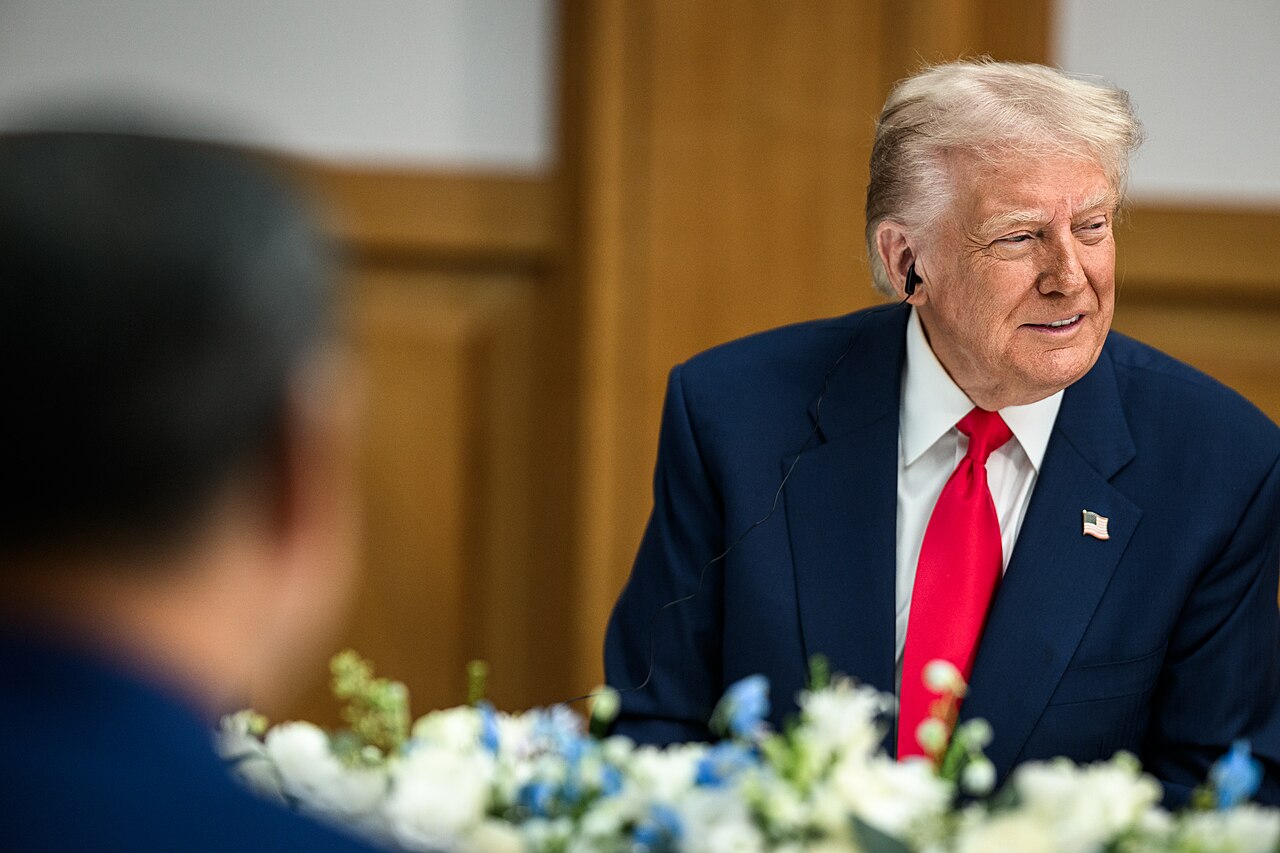
U.S. President Donald Trump said Friday that he is close to making a final decision on a proposed agreement to extend the current ceasefire with Iran, although major disagreements between Washington and Tehran continue to complicate negotiations.
According to Trump, the proposed deal would prolong the early-April truce for an additional 60 days, allowing diplomats more time to negotiate a long-term resolution to the conflict. The president revealed that he met with senior officials in the White House Situation Room to make a final assessment of the proposal.
A White House official confirmed that the meeting lasted around two hours but declined to say whether Trump had approved the agreement. The official emphasized that any deal must align with U.S. national interests and Washington’s core demand that Iran never obtain a nuclear weapon.
Sources familiar with the talks told Reuters that an agreement is nearing completion, though final approval has not yet been secured. However, significant differences remain. Trump reiterated that Iran must permanently abandon any nuclear weapons ambitions and reopen the Strait of Hormuz to unrestricted international shipping without tolls or restrictions.
Iranian officials pushed back against those demands. A senior Iranian source stated that the proposed agreement does not include nuclear-related provisions, while Foreign Ministry spokesperson Esmaeil Baghaei said decisions regarding the Strait of Hormuz should be made jointly by Iran and Oman. Iranian media described Trump’s statements as an effort to claim a political victory.
Reports from Iran’s Fars News Agency suggested discussions include the release of approximately $12 billion in frozen Iranian assets and the gradual lifting of U.S. maritime restrictions. Trump, however, insisted that no funds would be transferred at this stage.
The possibility of a breakthrough helped boost global stock markets while pushing oil prices lower. Investors remain focused on developments surrounding the Strait of Hormuz, a critical global energy shipping route.
The conflict, which began with a U.S.-Israeli military campaign on February 28, has caused thousands of deaths and disrupted energy markets worldwide. Meanwhile, Iran continues to seek sanctions relief, a reduction of U.S. military presence in the region, and an end to Israel’s military operations in Lebanon as part of any broader peace settlement.
With geopolitical tensions still high, Trump’s upcoming decision could significantly influence Middle East stability, global oil prices, and international security throughout 2026.