


 FxWirePro: Daily Commodity Tracker - 21st March, 2022
  Gold Prices Fall Amid Rate Jitters; Copper Steady as China Stimulus Eyed


 Add as a preferred source on Google
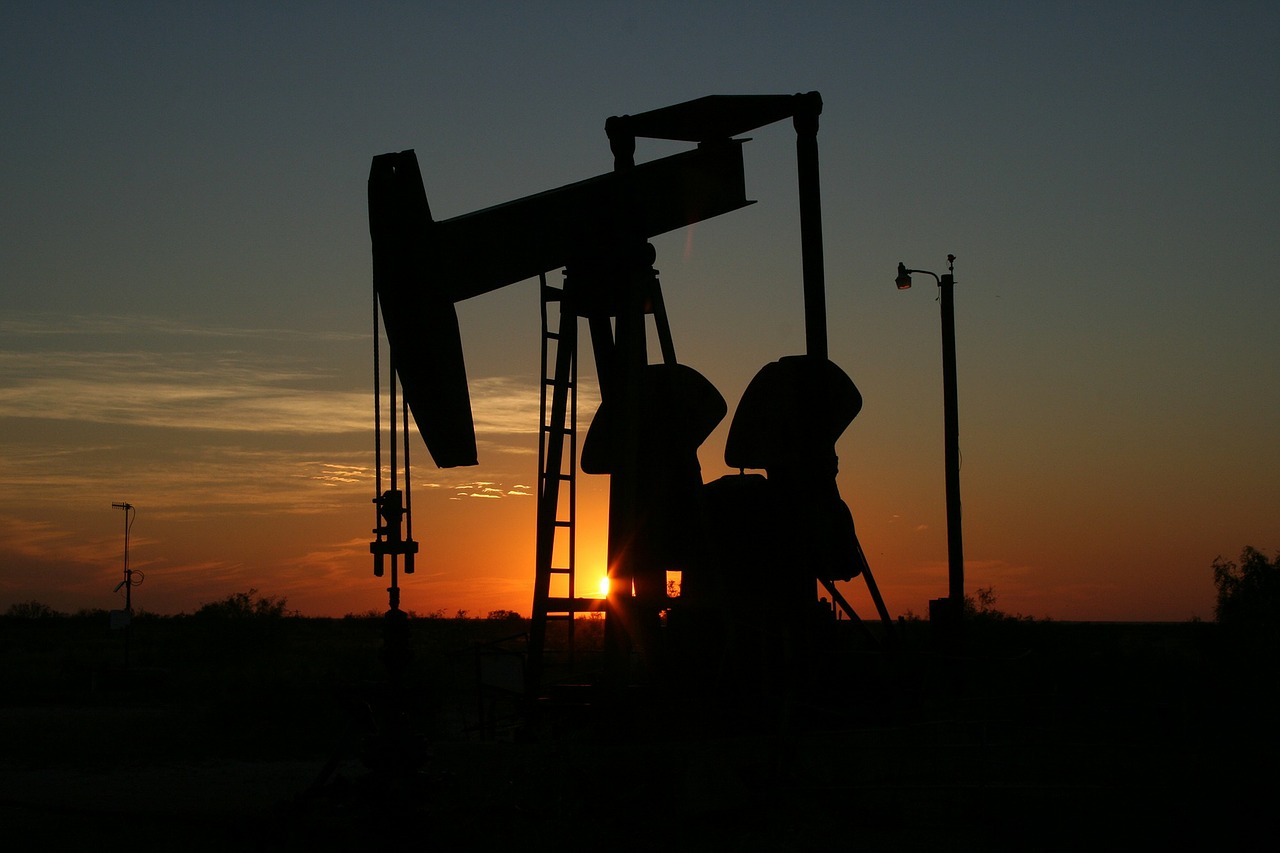
After a quiet couple of months, commodity prices moved back into the spotlight, with several prices plunging. Oil, industrial and precious metals prices in particular were hit hard over the last month, with most reaching levels not seen in six years. As a result, significant downward revisions were made to commodity price forecast. Commodity price index is likely to hit its lowest level since 2009 this quarter. Despite these revisions, the overall outlook for a gradual recovery in commodity prices remains intact.
"We continue to expect nickel and zinc prices to record the largest gains between now and the end of 2016, while lumber, oil and natural gas prices are also expected to post robust growth rates. Even so, the level of energy prices will remain low by historical standards", says TD Economics.
The renewed pessimism in the crude oil market - which recorded the biggest monthly drop in seven years - was triggered largely by the P5+1 nuclear deal with Iran in early July, as well as ongoing over-quota production from OPEC as a whole, still-elevated U.S. output, and concerns surrounding economic activity in China. Under the nuclear agreement, the long-held sanctions against Iran will be lifted, allowing the country back into the global oil market. It will take time before the agreement is implemented, suggesting that Iranian oil supply should not ramp up meaningfully before mid-2016.
It is estimated that the country has about 30 million barrels of oil in storage that could come to market quickly, however, given the sanction-induced lack of investment in the industry over the past couple of decades, it will take much longer for production to rise to potential levels. Given the still-growing glut, oil prices will remain under pressure in the near term, unlikely to get back above the US$60 per barrel mark until 2016.
Natural gas prices have bucked the trend in the broader commodity market, holding relatively flat over the last month. The market continues to be well supplied, with storage levels having risen back to the 5-year average. Supply is growing faster than demand - a trend that is likely to continue -which will keep a lid on prices over the forecast horizon.
Gold has been making headlines in recent weeks, with prices falling below US$1100, to a 5-year low. In-creased expectations that the Federal Reserve will begin hiking interest rates later this year and a strengthening U.S. dollar has underpinned the move lower. Lack of physical and investment demand - particularly in China - combined with our forecast for a September rate hike and ongoing strength in the greenback, suggest further downside is in store for gold in the coming months.
The recent weakness in the base metals complex was driven primarily by soft economic data in China and concerns that this could be a long term structural phenomenon rather than a cyclical development. While ample supply should keep base metals prices under pressure in the near term, a pick-up in demand, particularly in China once recent stimulus measures kick in, should help tighten markets, and set the stage for higher prices. Nickel and Zinc is set to outperform, although much of the strength will come in , lumber prices have moved lower in recent weeks alongside other key commodities, upside potential remains.
"The U.S. homebuilding market is on solid footing and we expect single-family starts to grow over the remainder of the forecast period. As such, lumber demand and prices should gain some momentum in the coming months, rising back above US$400 by mid-2016", notes TD Economics.
Within the agriculture sector, wheat prices were hit hardest in July - down 20% - driven largely by improving growing conditions, elevated global stocks and a strong U.S. dollar. Weather will remain the key factor for crop prices going forward, but increased demand over the forecast horizon should help lift prices modestly. Livestock prices held up better in July, with hog prices managing to eke out a gain. Looking ahead, hog prices should continue to recover from the outsized drop seen earlier this year, while cattle prices are expected to lose some ground but remain elevated over the next 18 months.







