It’s no secret that the old Nordic raiding tribes or “Vikings,” as they are more commonly known were some of the best navigators that the world had ever seen. With limited mapping knowledge and dangerously ill-equipped vessels, these fabled travelers were even able to reach America long before Christopher Columbus had. One of the reasons attributed to their impressive navigational prowess was the so-called Sunstone, which a recent computer simulation confirms is not just a myth.
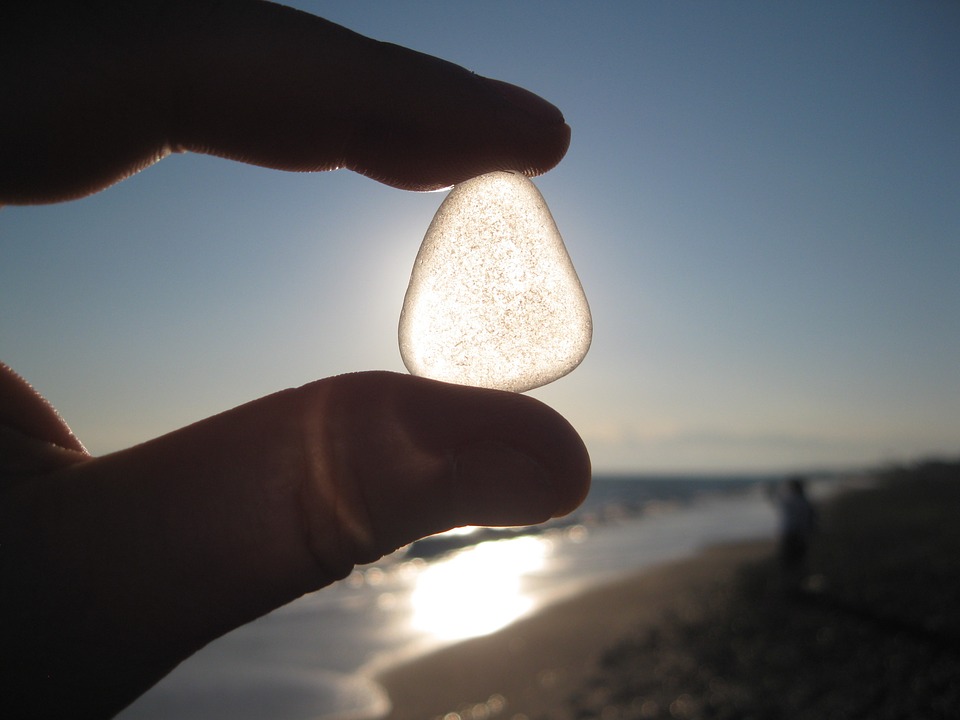
The simulation was created by ELTE Eötvös Loránd University researchers in Hungary, which indicates that the tales about Vikings using sunstones to find their way out in the open seas during cloudy days was not just hogwash, Phys.org reports. For context, sunstones are basically crystals that refract light. Depending on how it is turned, the light beam could be weaker or stronger.
According to some of the most popular myths and stories about Vikings, using these crystals was how they were able to rule the Northern Atlantic from 900 to 1200 AD. This was never confirmed by concrete evidence, however, with no sunstone being discovered near a longboat even though there were so many wrecks to search.
In the case of the computer simulation that Dénes Száz and Gábor Horváth ran, however, it was found that using a cordierite crystal actually afforded fairly accurate navigational results at a minimum of 90.2 percent. They made this conclusion after crunching the data based on travel condition during the spring equinox and the summer solstice.
Of course, it’s worth noting that there are still many things about the Vikings’ practices with regards to navigation. Horváth cautions that their findings could be way off if other factors were taken into consideration, The Washington Post reports. Regardless of the caveats, however, this development does provide a fascinating proposition with regards to exactly how incredible the ancient Scandinavians were at sailing.