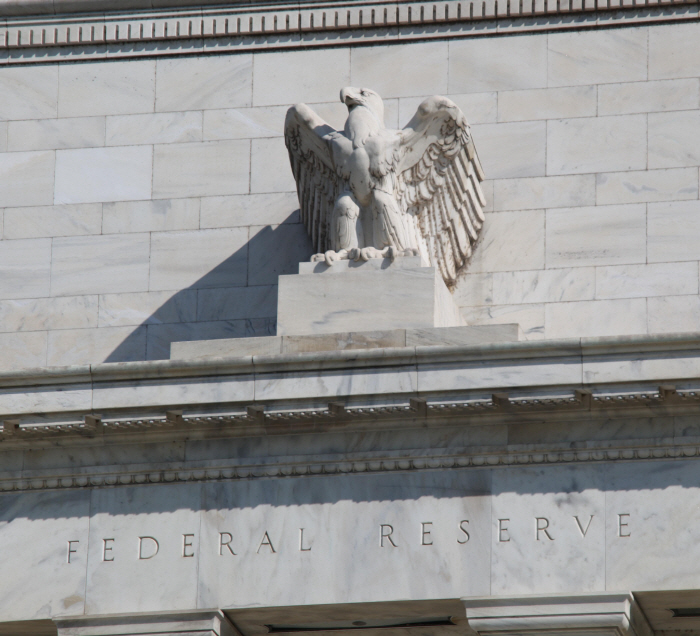
With less than a month away from Federal Reserve's December meeting where the FOMC will decide whether or not to start the first tightening cycle in more than a decade. Putting that into perspective, it will potentially be the first interest rate hike for an entire generation of millennials that has less than a decade of work experience. Markets are currently pegging the probability of a hike at just shy of 70%, and with each passing week, the data and Fed communications increasingly bolsters that position.
A strong dollar and falling energy prices continued to keep a lid on CPI inflation. Headline CPI rose by 0.2% year-over-year - an improvement from the -0.2% print in September. Meanwhile, core inflation remained steady at 1.9%. Strong economic reports last week largely confirmed the case for near-term Fed tightening, with both the dollar index and the 2-year Treasury yields remaining at multi-year highs.
Housing starts posted their largest monthly decline since February, falling by 11% to 1.06 million units annualized. The weakness was firmly concentrated in the volatile multi-unit sector in which starts fell by 25%. Single-unit starts held up for firmly, falling by just 2.4%. In addition, the weakness in construction was partially offset by increased permits, which bodes well for future starts.
The minutes from the October FOMC meeting indicated that some participants were already prepared to raise rates in October with most expecting to be comfortable to do so by mid-December.