


 North Korea Fires Ballistic Missiles Amid Rising Tensions With South Korea
  Panama Declares Emergency After 7.7 Earthquake Triggers 200 Aftershocks
  Trump Calls for Zelenskyy Replacement Amid Russian Diesel Deal
  Elon Musk Donates $366 Million to 2026 US Midterms
  Jordan Bardella Antisemitism Allegations Threaten Le Pen’s Campaign
  Trump Announces Russia-Ukraine Energy Ceasefire Amid U.S. Pressure on Kyiv
  Yandex Data Center Hit by Drone Strike as Russia-Ukraine Cyber Infrastructure Attacks Escalate
  Kim Jong Un Showcases ICBM Ahead of Possible Trump Meeting
  Greenland Lawmakers Back Trump Security Deal Despite Economic Concerns
  Trump Defends Russian Diesel Deal Amid US Sanctions Backlash
  European Auto Stocks Rise as EU-China Trade Deal Targets Hybrid Imports
  Houthis Warn Saudi Airports After Deadly Riyadh Attack
  Trump Announces Russia-Ukraine Energy Ceasefire as Zelenskiy Awaits Details
  NATO Commander Warns Russia of Devastating Response to Attack
  US Judge Blocks Trump Administration’s Taxpayer-Funded Political Ads
  India Voter List Protests Reach Supreme Court as Opposition Demands Election Chief's Resignation
  Most Americans Oppose Election Betting on Prediction Markets, Poll Finds


 Add as a preferred source on Google
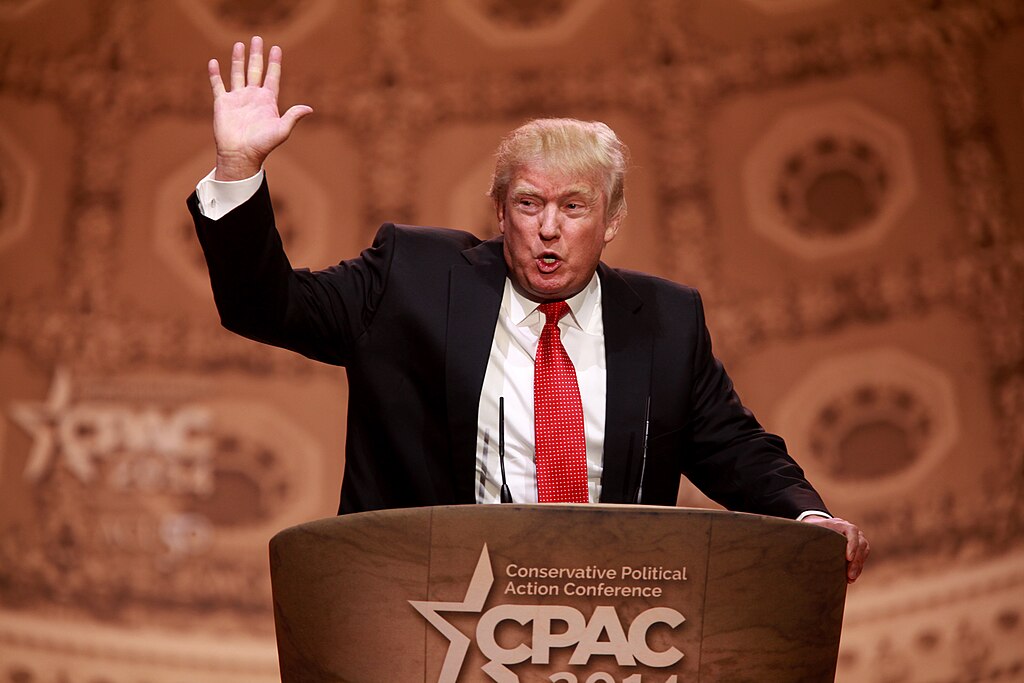
In a move that has stirred considerable speculation, former President Donald Trump has announced he will not participate in an upcoming debate against Vice President Kamala Harris, scheduled to be hosted by ABC. Trump's decision to bow out of the highly anticipated event has raised questions about his strategy for the 2024 presidential election and whether he is avoiding a direct confrontation with Harris, who has recently become the Democratic Party's nominee.
Trump, who has been a dominant figure in Republican politics, initially seemed poised to take on Harris in a debate that many expected to be a crucial moment in the campaign. However, in a recent statement, Trump indicated that he would not engage in the debate, questioning why he should appear on the ABC network, which he has repeatedly criticized for its coverage of his presidency and subsequent political endeavors.
The decision to withdraw from the debate has left political analysts and voters alike wondering about the rationale behind Trump's choice. Some suggest that Trump may be looking to avoid giving Harris a platform where she could challenge his record and position herself as a viable alternative to his brand of leadership. Others speculate that Trump may be seeking to control the narrative of his campaign by avoiding mainstream media outlets that he perceives as hostile.
Trump's move comes at a time when the 2024 race is heating up, with Harris solidifying her position as the Democratic nominee following President Joe Biden's decision to step aside. The debate was expected to be a key moment for both candidates, offering them an opportunity to articulate their visions for the country and sway undecided voters. By opting out, Trump has effectively removed one of the most direct opportunities for voters to compare the two candidates head-to-head.
The former president's decision has drawn criticism from both sides of the political spectrum. Democrats argue that Trump's refusal to debate Harris is a sign of weakness, suggesting that he is unwilling to defend his record and engage in a substantive discussion about the future of the country. Republicans, on the other hand, are divided, with some supporting Trump's decision to bypass what they view as a biased media environment, while others express concern that avoiding the debate could be perceived as a lack of confidence in his ability to take on Harris.
Trump's relationship with the media has been fraught with tension, particularly with networks like ABC, which he has accused of unfair coverage. By refusing to participate in the debate, Trump is doubling down on his strategy of sidelining traditional media outlets and communicating directly with his base through platforms like Truth Social.
As the 2024 election approaches, the impact of Trump's decision remains to be seen. While his supporters may rally behind his choice to skip the debate, it also presents an opportunity for Harris to dominate the stage and present her case to the American people without facing a direct challenge from her Republican opponent. The absence of a debate between Trump and Harris leaves a significant void in the campaign narrative, one that could influence the course of the election in unpredictable ways.







