


 Trump Secures Russian Diesel Deal as US Fuel Prices Surge
  Gold Prices Rise as Dollar Weakens, Treasury Yields Fall
  Iran Refuses to Halt Uranium Enrichment Amid US Nuclear Demands
  Gold Prices Rise as Hormuz Tensions Fuel Inflation Risks
  US Charges Maduro and Wife With Torture Conspiracy
  US Treasury Yields Ease After Strong 10-Year Auction as Global Bonds Struggle
  Bank of America Predicts Yen Rebound as USD/JPY Faces Risks
  Ripple Chairman Chris Larsen Donates $22.5 Million Ahead of US Midterms
  Zelenskiy Offers Russia Energy Truce Amid Trump Pressure
  US Suspends Microsoft, Adobe From Green Card Program
  EU Rejects Italy, Greece Calls for Fiscal Rule Flexibility
  Asian Currencies Steady as Dollar Eyes Fourth Weekly Gain
  Yandex Data Center Hit by Drone Strike as Russia-Ukraine Cyber Infrastructure Attacks Escalate
  Oil Prices Rise as Hormuz Risks Offset IEA Stock Release
  Trump Cancels Alabama Football Trip as Hurricane Isaias Approaches
  Zelenskiy Criticizes US as Russian Strikes Kill 78 in Ukraine
  Deutsche Bank CEO Urges Faster German Economic Reforms


 Add as a preferred source on Google
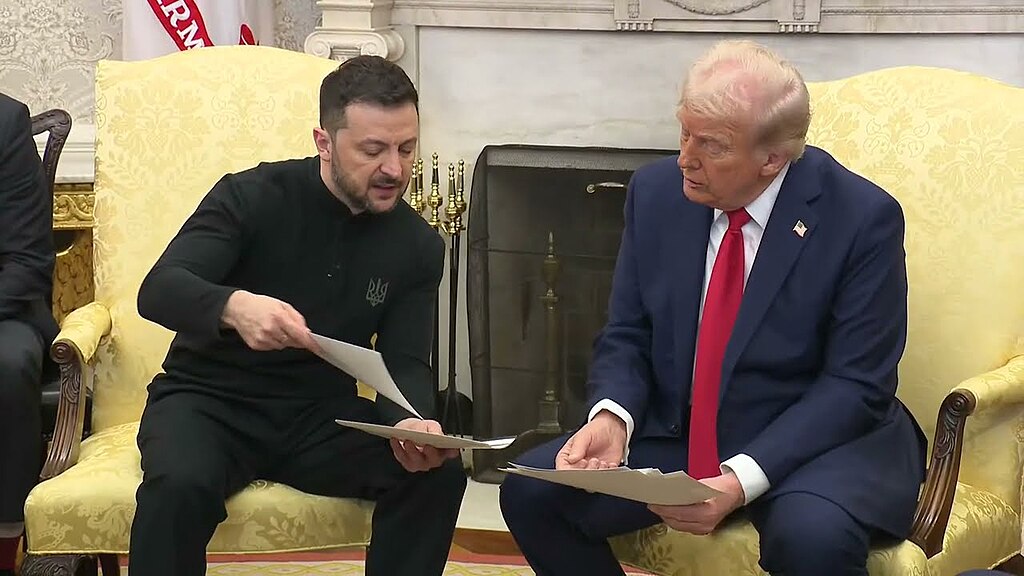
US President Donald Trump has called for Ukraine to replace President Volodymyr Zelenskyy, deepening tensions between Washington and Kyiv over a controversial agreement allowing Russian diesel exports to global markets.
Speaking at the White House on Saturday, Trump argued that Ukraine needed new leadership capable of negotiating a peace agreement with Russian President Vladimir Putin.
"I think it’s time for Ukraine to get a new president," Trump told reporters, while urging Kyiv to halt attacks on Russian oil refineries.
His comments followed the US administration's decision to ease restrictions on certain Russian diesel shipments through a Treasury waiver. The move aims to increase global fuel supplies and reduce rising energy costs ahead of the November 3 US midterm elections.
Trump defended the Russian diesel agreement, claiming Putin was offering substantial fuel supplies at discounted prices to help stabilize international energy markets.
According to Trump, initial deliveries will reach approximately 13.5 million barrels, with shipments expected to begin this month.
Russia subsequently announced a partial relaxation of its diesel export ban, permitting 500,000 metric tonnes to enter international markets. However, Moscow did not provide a specific delivery schedule.
Zelenskyy strongly condemned the arrangement, warning that additional Russian energy revenues could strengthen Moscow's ability to finance its ongoing war against Ukraine.
Diplomatic tensions intensified after Ukrainian negotiators reportedly departed Miami earlier than planned following discussions with US officials about potential peace negotiations.
Hours later, Russian attacks on residential buildings in Ukraine killed at least 20 people, further complicating diplomatic efforts.
Trump also renewed calls for Ukrainian elections, suggesting that a leadership change could improve prospects for reaching a settlement with Russia.
The administration's decision has triggered bipartisan criticism in Washington.
Republican Representative Brian Fitzpatrick announced plans to introduce legislation banning Russian oil purchases, while Senator Lisa Murkowski opposed restoring energy trade with Moscow before the conflict ends.
Germany and Britain also reaffirmed their commitment to maintaining sanctions against Russia.
The dispute underscores growing concerns over US energy policy as elevated diesel prices threaten inflation and economic stability.
With Brent crude trading near $104.42 per barrel, Washington faces mounting pressure to lower fuel costs without undermining Western sanctions designed to restrict Russia's war financing.







