


 Trump Calls for Zelenskyy Replacement Amid Russian Diesel Deal
  Trump Buys Up to $25M in Meta Stock, Invests in SpaceX Debt
  US, EU Push for Action Against Asia’s Excess Factory Capacity
  Yandex Data Center Hit by Drone Strike as Russia-Ukraine Cyber Infrastructure Attacks Escalate
  Zelenskiy Slams US Over Deadly Russian Strikes on Ukraine
  Ripple Chairman Chris Larsen Donates $22.5 Million Ahead of US Midterms
  Zelenskiy Slams US-Russia Diesel Deal as Funding War
  Trump Sanctions International Criminal Court, Sparking EU Backlash
  Trump Announces Russia-Ukraine Energy Ceasefire Amid U.S. Pressure on Kyiv
  Brazil Election: Lula and Bolsonaro Rally Ahead of October 25 Runoff
  RFK Jr. Launches Nationwide Vaccine Safety Review
  Mahmoud Abbas Postpones Palestinian Elections to September 2027
  Trump Secures Russian Diesel Deal as US Fuel Prices Surge
  Flavio Bolsonaro Leads Lula 49%-45% in Brazil Runoff Poll
  Houthis Warn Saudi Airports After Deadly Riyadh Attack
  Venezuela’s Machado Calls for Elections by July 2027
  US Charges Maduro and Wife With Torture Conspiracy


 Add as a preferred source on Google
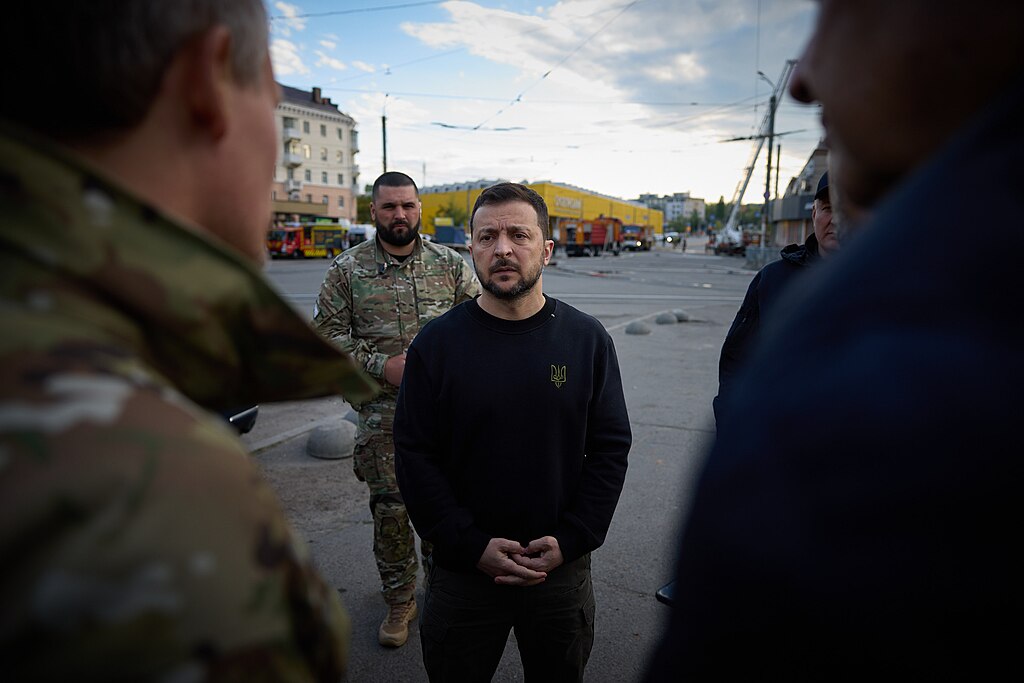
US President Donald Trump announced an immediate energy ceasefire between Russia and Ukraine on Sunday, but Ukrainian President Volodymyr Zelenskiy said Kyiv was still awaiting details from Washington as Russian attacks continued.
In a Truth Social post, Trump declared that both countries had agreed to stop targeting energy infrastructure. "Effective immediately, there is an ENERGY CEASEFIRE in the War between Russia and Ukraine. Both parties have agreed. Do not break it!" he wrote.
However, Moscow has not publicly confirmed the agreement, raising uncertainty about its implementation.
The announcement followed mounting US pressure on Ukraine to suspend attacks on Russian oil refineries. Trump has blamed those strikes for rising diesel prices, which have become a political concern for Republicans ahead of November's midterm elections.
Reports also indicated that Washington threatened to suspend intelligence sharing and weapons procurement through the Prioritised Ukraine Requirements List (PURL) unless Kyiv halted its refinery attacks.
Zelenskiy welcomed the proposed ceasefire but emphasized that Russia must also comply. He said he discussed the announcement with NATO Secretary General Mark Rutte and leaders from Canada and Finland.
Despite Trump's declaration, Ukrainian officials reported continued Russian strikes, including an attack on a heating and power facility in Kharkiv.
Zelenskiy reiterated that Ukraine would stop targeting Russian refineries only if Moscow ended attacks on Ukrainian energy infrastructure.
Tensions escalated further after Trump urged Ukraine to hold presidential elections and suggested replacing Zelenskiy. The Ukrainian leader responded that elections could take place if Russian President Vladimir Putin agreed to a 60-day ceasefire.
Ukraine currently prohibits elections under martial law, which has remained in effect since Russia's 2022 invasion.
Meanwhile, Trump announced a separate agreement for Russia to supply more than 300,000 metric tons of diesel to US and international markets, equivalent to approximately 2.25 million barrels.
The arrangement drew criticism from US lawmakers, including Republican Senator Thom Tillis, who questioned its legality and security implications.
Zelenskiy argued that the broader Middle East conflict, rather than Ukrainian refinery strikes, was the primary driver of soaring global fuel prices.
Violence continued Sunday, with Russian attacks reportedly killing six people in Kharkiv and Ivano-Frankivsk. Moldova also reported suspected Russian drone incursions near its capital, Chisinau.
The developments underscore uncertainty surrounding Trump's proposed Russia-Ukraine energy ceasefire as both sides await clearer terms and evidence of compliance.







