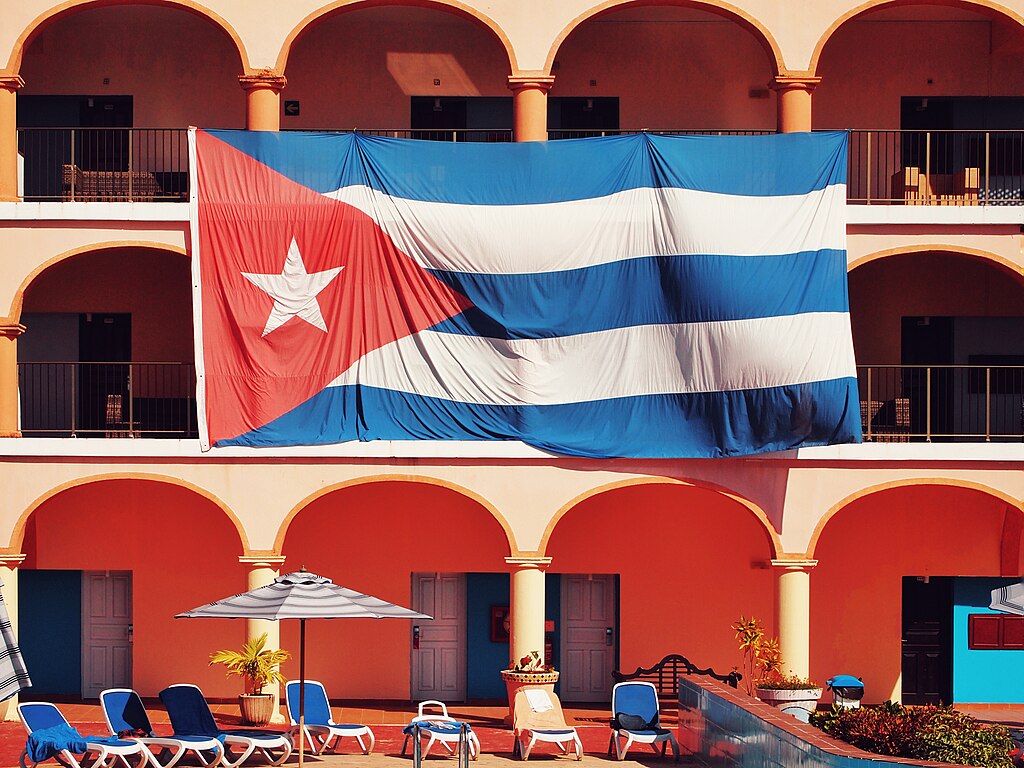
The Cuban government announced on Sunday that 32 Cuban citizens were killed during a U.S. military raid in Venezuela that resulted in the capture of President Nicolas Maduro and his wife, Cilia Flores. Havana declared two days of national mourning on January 5 and 6 to honor those who died, with funeral arrangements to be announced at a later date.
In an official statement, Cuban authorities confirmed that all those killed were members of Cuba’s armed forces and intelligence services. While few operational details were released, the government said the Cuban personnel died while carrying out security and defense duties connected to Venezuela.
“True to their responsibilities concerning security and defense, our compatriots fulfilled their duty with dignity and heroism,” the statement said, adding that they were killed after “fierce resistance” in direct combat with U.S. forces or as a result of bombings on military and security facilities.
Cuba has long been a close ally of Venezuela and has provided security and intelligence support to President Maduro since he came to power. However, it remains unclear how many of the Cuban nationals killed were directly involved in guarding Maduro in Caracas and how many were stationed elsewhere during the operation.
The U.S. raid took place on Saturday in the Venezuelan capital, where American forces reportedly seized Maduro and Flores before flying them to the United States. Maduro, 63, is currently being held at a detention facility in New York and is expected to appear in court on Monday to face drug-related charges.
The U.S. Justice Department indicted Maduro in 2020 on multiple charges, including conspiracy to commit narco-terrorism and drug trafficking. American prosecutors have long accused him of working with armed groups to flood the United States with cocaine, allegations Maduro has consistently denied.
The incident marks a dramatic escalation in U.S.-Venezuela relations and has sparked international attention, particularly due to the reported deaths of Cuban military and intelligence personnel during the operation, underscoring the deep regional and geopolitical implications of the raid.