


 European Auto Stocks Rise as EU-China Trade Deal Targets Hybrid Imports
  TSMC Q3 Revenue Beats Estimates as AI Chip Demand Surges
  Meta Launches Muse Wonder AI Models, Shares Rise 3.7%
  Most Americans Oppose Election Betting on Prediction Markets, Poll Finds
  Samsung, SK Hynix Shares Fall as China's CXMT Advances DRAM Technology
  Orsted to Take Full Ownership of UK Offshore Wind Farm for £15 Million
  Albertsons Seeks $9.3 Billion From Kroger Over Failed Merger
  FAA Warns US Airlines Over Saudi Arabia Flight Risks
  Morgan Stanley Predicts $10 Trillion RWA Market by 2030
  South Korea Blocks 27 Crypto Exchange Websites in Regulatory Crackdown
  Airbus Tests Valkyrie Combat Drone in Europe for Eurofighter Integration
  Epic Games Delays Disney Shooter, Shifts to AI-First Development
  Apple Supplier Luxshare Faces US Patent Probe, Sees Limited Impact
  Nvidia’s China AI Chip Market Share Falls to 34% as Huawei Gains Ground
  Bumble Shares Surge 50% on $1 Billion Buyout Talks
  Moonshot AI Executives Seek Settlement Ahead of Hong Kong IPO


 Add as a preferred source on Google
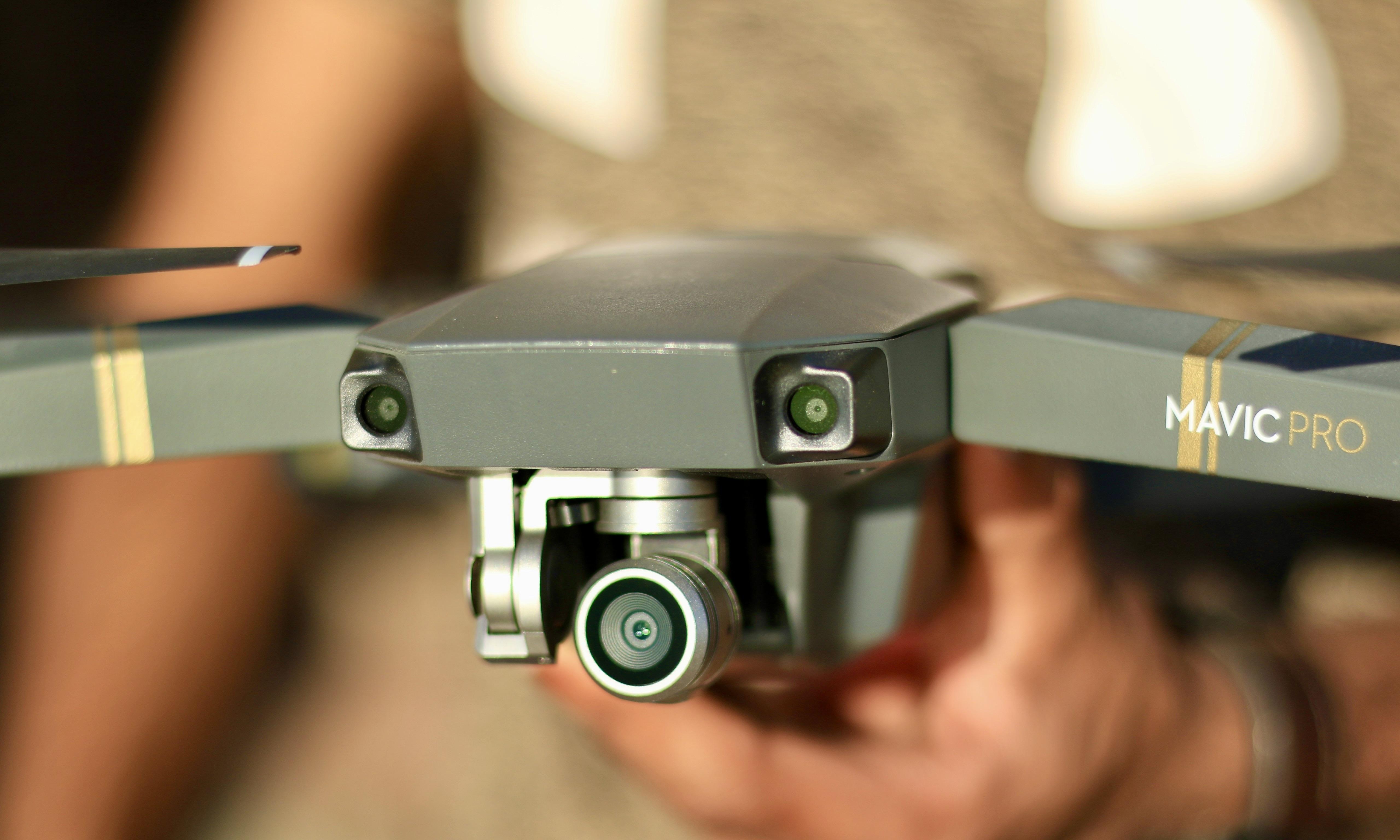
The U.S. Senate has excluded the controversial "Countering CCP Drones Act" from the 2025 NDAA, offering a reprieve for DJI’s U.S. market presence.
Public Safety Agencies Oppose Ban
The controversial "Countering CCP Drones Act" is noticeably missing from the 2025 National Defense Authorization Act (NDAA) that the U.S. Senate Armed Services Committee recently unveiled.
The popular drone firm DJI is in danger of losing its important U.S. business due to a law that recently passed the U.S. House of Representatives, effectively banning all drone sales.
According to a report by Commerical UAV News, the Senate decision was reportedly impacted by the over six thousand public safety agencies that are opposed to the prohibition.
Small Drone Businesses at Risk
As for the bill, there are anecdotal claims that hundreds of thousands of drone pilots have contacted their senators and congressmen to voice their opposition. Some have even gone so far as to say that tiny drone businesses in the US could shut down if DJI drones are no longer available.
The ban was recently removed from the 2025 NDAA version proposed by the Senate Armed Services Committee, so this isn't DJI's last victory just yet.
First, the full Senate must vote on it. Then, the House and Senate Armed Services Committees must reconcile any discrepancies between their respective versions. After receiving final approval from both the House of Representatives and the Senate, the NDAA will be sent to the President's desk for signature.
The “Countering CCP Drones Act” still has a good chance of becoming law thanks to all these measures. But with party lines running so deep in both houses, this looks quite improbable. Although the DJI ban was proposed by Republicans in the House, it was defeated by Democrats in the Senate. If the present House version includes "culture war issues," President Biden is expected to veto it, regardless of whether it passes the Capitol.
This isn't specifically about DJI, but it is one of the main concerns that arises.
Per Tom’s Hardware, since the American Security Drone Act (ASDA) was passed last year, the Chinese drone business has been the target of criticism from certain American lawmakers. This effectively bans the use of DJI drones on U.S. soil, meaning that no federal agency or employee may operate one.
Democrats Shield DJI for Now
However, another bill is being prepared to further restrict DJI drones, the Drones for First Responder Act. This bill would come into effect even if the 2025 NDAA does not include a ban on DJI drones.
Given that the Democrats now hold the White House and the Senate, DJI is reasonably protected for the time being. With a closely contested election expected later this year, DJI is probably waiting with bated breath to see who takes the majority in November.







