


 Panama Declares Emergency After 7.7 Earthquake Triggers 200 Aftershocks
  Brazil Election: Lula and Bolsonaro Rally Ahead of October 25 Runoff
  US Judge Blocks Trump Administration’s Taxpayer-Funded Political Ads
  Russian Strikes Kill Six in Ukraine, Including Three in Kharkiv
  Kim Jong Un Showcases ICBM Ahead of Possible Trump Meeting
  Pakistan Declares Emergency in Khyber Pakhtunkhwa, Suspends Imran Khan’s PTI Government
  Trump Denies Russia and China Are Helping Iran in U.S. Conflict
  North Korea Fires Ballistic Missiles as Tensions With South Korea Escalate
  Zelenskiy Offers Russia Energy Truce Amid Trump Pressure
  Trump Calls for Zelenskyy Replacement Amid Russian Diesel Deal
  Most Americans Oppose Election Betting on Prediction Markets, Poll Finds
  Mahmoud Abbas Postpones Palestinian Elections to September 2027
  Yandex Data Center Hit by Drone Strike as Russia-Ukraine Cyber Infrastructure Attacks Escalate
  Elon Musk Donates $366 Million to 2026 US Midterms
  Trump Plans White House Shake-Up of Key AI Safety Agency
  Trump Defends Russian Diesel Deal Amid US Sanctions Backlash
  India Voter List Protests Reach Supreme Court as Opposition Demands Election Chief's Resignation


 Add as a preferred source on Google
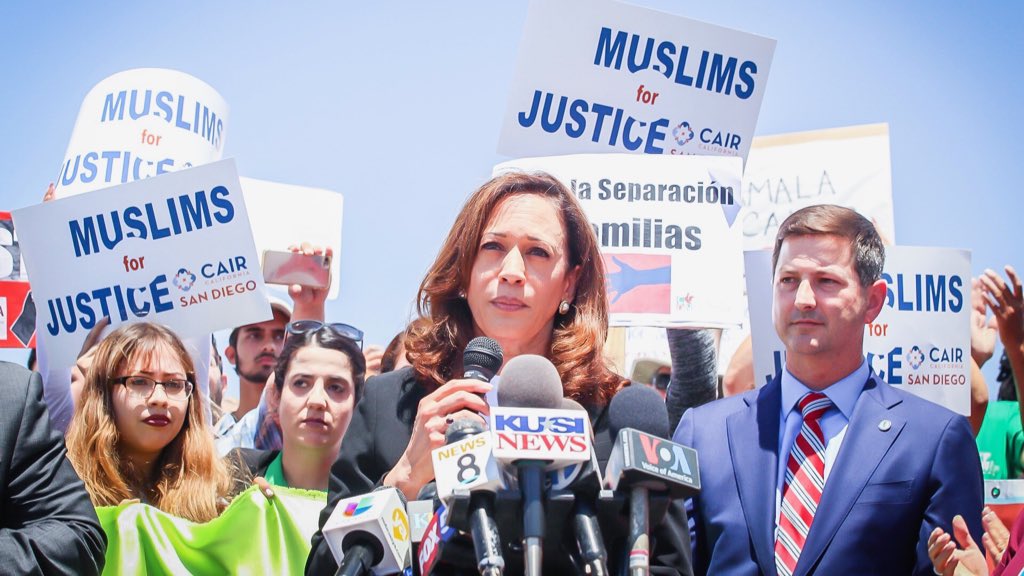
As the 2024 presidential race intensifies, polls show Vice President Kamala Harris holding a narrow lead over former President Donald Trump. According to national polling data, Harris currently stands at 50.1%, with Trump close behind at 46.5%, reflecting a 3.6% margin between the two candidates.
While Harris appears to have the edge, the race is far from decided, with Trump remaining competitive, particularly in key battleground states such as Michigan and Pennsylvania. These swing states, often decisive in presidential elections, show closer polling numbers, suggesting that both candidates face challenges ahead.
Harris's lead reflects her continued appeal to core Democratic constituencies, including younger and minority voters, but her margin remains slim. Trump's resilience is bolstered by his loyal base, which has remained steadfast since his 2020 loss. Both candidates are expected to focus their efforts on swing states as Election Day approaches, where voter turnout and last-minute shifts in public opinion could alter the outcome.
The Harris-Trump race has already sparked intense debate, particularly around issues like the economy, healthcare, and immigration. For Harris, her leadership on key Democratic initiatives, including healthcare reform and climate change, is resonating with progressive voters. Trump, on the other hand, continues to push his "America First" agenda, aiming to regain lost ground among voters disillusioned with the Biden administration.
Despite the current polling, the race remains fluid, with several months until the election. Both campaigns are expected to ramp up efforts in battleground states, making the outcome difficult to predict. Pollsters continue to monitor voter sentiment closely as the political landscape evolves.
While Harris currently enjoys a slight advantage in national polls, the tight margins in critical states mean the election could swing in either direction. With both candidates mobilizing their supporters and refining their messages, the 2024 election is poised to be one of the most competitive in recent history.
EconoTimes cannot independently verify polling data or claims related to the current status of the 2024 presidential race.







